With 176 verses, Parshat Naso, is noted for being the longest in the Torah. I'd like to share with you two interesting insights I just read. The first is very short: The Chiddushei HaRim (who happened to be the grandfather of the Sfat Emet), observed that not only is the length of the parsha itself noteworthy, but also the number of column inches relating to this Parsha in the Midrashim and in the Zohar, too. Noting that this week's parsha almost always falls the weekend after the festival of Shavuot (the festival on which we celebrate receiving the Torah), the Chidushei HaRim suggests that Chazal were given the merit to plumb the depths of this parsha to unparalleled levels.
The second thought on the parsha is one that many people observe for themselves; that the reading this week is very long mainly due to the full account of the gifts that the Nesi'im (the heads of the tribes) brought to the temple. It would seem to us that there is an endless repetition here of the gifts brought. We might be excused for thinking that it would have been enough for the Torah to give a brief summary, but clearly Hashem saw fit to write this episode in full, without skipping even the smallest of details.
There are a number of reasons for the Torah's meticulous recording of the gift offerings being brough here. I wrote about one reason earlier this year in Parshat Vayakhel: there, the Nesi'im resolved to wait until the rest of the nation had brought whatever they could for the temple, and when the rest of the people had brought all that they could, the Nesi'im planned to provide all that which had not yet been supplied. Unfortunately for them, they did not anticipate that the people would be so generous, and only managed to make a donation at the last minute when they saw that everything was going to be provided without their help. There, the Torah writes their name והנשיאים, "(And the) Nesi'im" without the letter י, so that it appears as והנשאם. This removal of a letter associated with God's name was a form of rebuke for the princes' seeming lack of eagerness.
Fast forward to this week's parsha, and we read of the princes' willing and abundant procession of gifts. Having first rebuked their behaviour, the Torah ensures that when the princes make good on their earlier error, they are afforded a full account of their deeds. The message is clear: when someone corrects his ways, it is only proper to give that person recognition for having made the effort.
An alternative reason as to why this event is written in full is given by Rabbi Paysach Krohn. Rabbi Krohn tells a story about Rav Yitzchak Elchonon Spektor, the Kovno Rav, who lived in Russia. Back in those days, the Jewish population lived in fear that their young men would get drafted into the Russian Army; something that was very hard to get out of. One who did enter the Russian military had a tough time in store; quite apart from the usual problems of serving in an army, the Russian army made it especially hard for people to remain religiously observant. The only hope was to acquire a military exemption.
In this story, Yaakov, one of his students had applied for an exemption and was waiting for Moscow to respond to his request. Knowing that obtaining such an exemption was a tricky matter, Yaakov and his friends nervously anticipated the authorities' reply. One day, while Yaakov's Rabbi, Rav Yitzchak Elchonon, was engaged with other Rabbis in resolving a complex and thorny affair through Jewish law, a young man interrupted proceedings to tell his Rabbi that he had just received the wonderful news that the case had been resolved satisfactorily, with Yaakov given an exemption from military service. The Rabbi smiled, thanked him, and blessed him for bringing the news.
The boy left happy and the Rabbis resumed their deliberations. But not long afterwards, another student burst into the room. Again, he told the Rabbi that he had very important news to convey; that Yaakov, one of the Rabbi's most beloved students, had managed to get out of serving in the army. Again, the Rabbi was thankful and proceeded to bless him for having brought such good news. A little while later, yet another boy entered the room. Yet again, the Rabbi was careful to smile and thank the "intruder", making sure to bless him for having been considerate and letting the Rabbi know of this development. As the afternoon unfolded, this chain of events went on to repeat itself a number of times over, and each time the Rabbi was careful to treat each visitor in the exact same manner.
The lesson here is one that goes a long way teaching us how to treat others. Despite the news being old, the Rabbi made sure to receive each and every guest in the same manner as the first person who came to tell him. Unaware that their Rabbi had already heard the news, they were eager to share it with him and were each clearly anticipating seeing him take pleasure and relief. Although he could have explained gently that he already knew, the Rabbi understood that it was more important to allow each of them to express their feelings and therefore acted as he did.
Coming back to this week's unusually lengthy parsha, we may now understand why its seemingly inordinate length is necessitated. While each and every gift brought by the princes may have been no more than a repetition of that which was brought previously, Hashem wanted to show them that their intentions and desires were very much appreciated.
Wishing you a Shabbat Shalom!
Friday, June 03, 2011


Friday, May 27, 2011
Parshat Bamidbar - פרשת במדבר
This Shabbat we commence reading the fourth book of the Torah - Sefer Bamidbar. In fact, there are actually two names for this Parsha and Sefer - it is also known by the name Sefer Pekudim, the "Book of Numbers" as the book opens with the census of Bnei Yisrael. The other name, Bamidbar, might be perceived as somewhat irrelevant, though - how can we relate to Am Yisrael's trek across the desert to reach Israel? We can say plenty about the need for census and how we may learn a lesson in equality from it (each man would be counted equally; each bringing exactly half a shekel no matter what his social standing was,) but how much can we derive from the fact that the Jews traversed the wilderness?
There is a concept in Torah thought that nothing in the world is completely by chance. Everything is by design, right down to the smallest details. Hashem created the world with precision, so that everything would serve a higher purpose. We believe that even the way the earth has been shaped reflects a higher purpose. Therefore, if Hashem wanted mainland Egypt to be next to Israel, he would have arranged the world to be that way. The fact that He designed the world with a desert between Egypt and Israel clearly is significant and not without meaning and intention. When the Jews left Egypyt in the great Exodus, there was no way for them to get to Israel other than passing through the desert. (They happened to take a long way round, but the desert still presented an unavoidable obstacle.)
So, if Hashem wanted the Jewish people to travel through the desert in order to enter the land of Israel, there has to be something we may learn. The Sfas Emet teaches something which will hopefully prove relevant in understanding this problem better. He focuses on the meaning of the Hebrew word for desert, מדבר, and suggests that we may learn how to improve our character traits by understanding the nature of the desert. The Sfat Emet explains that the root of the word for speech (dibbur) is דבר. Clearly there is a connection between the concept of speech and the concept of a desert - a place devoid of all extraneous details.
Some roots have multiple meanings and the root דבר also has another meaning - "to lead". The Sfat Emet then explains that the word Midbar could be interpreted as having a passive meaning, "to be led." The link between these two meanings seems unclear, though.
The Sfat Emet may be suggesting a number of things. I would like to suggest that once the Jews had left Egypt, they were in a state, both physically and mentally, where they were unfit to enter the land of Israel. First they needed the solitary environment of the desert in which they were rid of all distractions and in which they would have the chance to first accept the Torah, and then start to build their lives around it. The metaphor of a child going to school serves as a good example for this; children are sent to school at a young age. Most schools are run according to a very tightly controlled syllabus and timetable. Everything is ordered in such a way so that the students do not need to worry about anything other than their studies. Only after completing their studies do children enter the world of work and adulthood. But that does not mean to say that school was irrelevant and was merely a part of their past. On the contrary, it was an essential building block to progressing further in life.
So too with the desert; the Jewish people had to be taken through a preparatory stage before it was possible for them to enter the land of Israel. Returning to another one of the meanings for those root letters, דבר, "speech", I'd like to repeat something taught by Rav Yitzcak Ginsurgh of Kfar Chabad. He teaches that if we think picture the desert in our mind's eye, we see a vast expanse of land and absolute silence. How paradoxical it is that the Hebrew root for desert is connected with the root for speech!
There is a famous story told in Sefer Malachim of Eliyahu Hanavi encountering Hashem in a cave in the desert. Several natural phenomena accompanied Hashem's presence: first an earth-shattering wind passed him by, but the verse states that Hashem was "not in the wind." Then a tremendous earthquake shook him, but again, the verse states that Hashem was not in this phenomena, either. Following the earthquake, Eliyahu saw a great fire, but once again, Hashem was not in the fire. But the next verse reads, "And after the fire — a still silent voice."
Many things can be learned from this cryptic passage, but most relevant to us is the concept of a voice. Eliyahu heard a quiet voice and through that voice recognised Hashem. Moreover, Eliyahu experienced the still, silent voice of God in the desert. The word used to describe this still voice is Chashmal, a word that means electricity in modern Hebrew, is a compound of two other words; חש - silence, and מל - speaking. We can understand the concept of the "chashmal," having read this passage, as a kind of electrifying charge that can be experienced only in the atmosphere of neutrality and calm.
The lesson seems abundantly clear; before we can ever achieve whatever it is that we need to do in life, it is essential to withdraw to a degree and ready oneself for the forthcoming challenge. We must dispense with all the distractions and be prepared to listen to that quiet voice inside ourselves that serves as our moral compass. It is only when we take the time to listen to ourselves and what we really want, that we can ever hope to achieve our goals.
Speech can be used in many ways. One of its applications is that people may use it as a weapon. It is common, but nonetheless an unfortunate trait, for people to talk too much, in a manner full of bluster and arrogance. Once we take time for ourselves, we find ourselves imbued with a powerful energy borne of our sense of responsibility and a belonging to a higher cause. In turn, we learn how to speak properly; not to talk ourselves up and brag. Hopefully we can learn from the lessons of the midbar and will work towards the spiritual level that Eliyahu attained in the verse above and attain our own connection with God.
Wishing you all a שבת שלום ומבורך.
There is a concept in Torah thought that nothing in the world is completely by chance. Everything is by design, right down to the smallest details. Hashem created the world with precision, so that everything would serve a higher purpose. We believe that even the way the earth has been shaped reflects a higher purpose. Therefore, if Hashem wanted mainland Egypt to be next to Israel, he would have arranged the world to be that way. The fact that He designed the world with a desert between Egypt and Israel clearly is significant and not without meaning and intention. When the Jews left Egypyt in the great Exodus, there was no way for them to get to Israel other than passing through the desert. (They happened to take a long way round, but the desert still presented an unavoidable obstacle.)
So, if Hashem wanted the Jewish people to travel through the desert in order to enter the land of Israel, there has to be something we may learn. The Sfas Emet teaches something which will hopefully prove relevant in understanding this problem better. He focuses on the meaning of the Hebrew word for desert, מדבר, and suggests that we may learn how to improve our character traits by understanding the nature of the desert. The Sfat Emet explains that the root of the word for speech (dibbur) is דבר. Clearly there is a connection between the concept of speech and the concept of a desert - a place devoid of all extraneous details.
Some roots have multiple meanings and the root דבר also has another meaning - "to lead". The Sfat Emet then explains that the word Midbar could be interpreted as having a passive meaning, "to be led." The link between these two meanings seems unclear, though.
The Sfat Emet may be suggesting a number of things. I would like to suggest that once the Jews had left Egypt, they were in a state, both physically and mentally, where they were unfit to enter the land of Israel. First they needed the solitary environment of the desert in which they were rid of all distractions and in which they would have the chance to first accept the Torah, and then start to build their lives around it. The metaphor of a child going to school serves as a good example for this; children are sent to school at a young age. Most schools are run according to a very tightly controlled syllabus and timetable. Everything is ordered in such a way so that the students do not need to worry about anything other than their studies. Only after completing their studies do children enter the world of work and adulthood. But that does not mean to say that school was irrelevant and was merely a part of their past. On the contrary, it was an essential building block to progressing further in life.
So too with the desert; the Jewish people had to be taken through a preparatory stage before it was possible for them to enter the land of Israel. Returning to another one of the meanings for those root letters, דבר, "speech", I'd like to repeat something taught by Rav Yitzcak Ginsurgh of Kfar Chabad. He teaches that if we think picture the desert in our mind's eye, we see a vast expanse of land and absolute silence. How paradoxical it is that the Hebrew root for desert is connected with the root for speech!
There is a famous story told in Sefer Malachim of Eliyahu Hanavi encountering Hashem in a cave in the desert. Several natural phenomena accompanied Hashem's presence: first an earth-shattering wind passed him by, but the verse states that Hashem was "not in the wind." Then a tremendous earthquake shook him, but again, the verse states that Hashem was not in this phenomena, either. Following the earthquake, Eliyahu saw a great fire, but once again, Hashem was not in the fire. But the next verse reads, "And after the fire — a still silent voice."
Many things can be learned from this cryptic passage, but most relevant to us is the concept of a voice. Eliyahu heard a quiet voice and through that voice recognised Hashem. Moreover, Eliyahu experienced the still, silent voice of God in the desert. The word used to describe this still voice is Chashmal, a word that means electricity in modern Hebrew, is a compound of two other words; חש - silence, and מל - speaking. We can understand the concept of the "chashmal," having read this passage, as a kind of electrifying charge that can be experienced only in the atmosphere of neutrality and calm.
The lesson seems abundantly clear; before we can ever achieve whatever it is that we need to do in life, it is essential to withdraw to a degree and ready oneself for the forthcoming challenge. We must dispense with all the distractions and be prepared to listen to that quiet voice inside ourselves that serves as our moral compass. It is only when we take the time to listen to ourselves and what we really want, that we can ever hope to achieve our goals.
Speech can be used in many ways. One of its applications is that people may use it as a weapon. It is common, but nonetheless an unfortunate trait, for people to talk too much, in a manner full of bluster and arrogance. Once we take time for ourselves, we find ourselves imbued with a powerful energy borne of our sense of responsibility and a belonging to a higher cause. In turn, we learn how to speak properly; not to talk ourselves up and brag. Hopefully we can learn from the lessons of the midbar and will work towards the spiritual level that Eliyahu attained in the verse above and attain our own connection with God.
Wishing you all a שבת שלום ומבורך.
Friday, May 20, 2011
Parshat Bechukotai – פרשת בחוקתי
"אם בחוקתי תלכו ואת מצותי תשמרו ועשיתם אתם: ונתתי גשמיכם בעתם ונתנה הארץ יבולה ועץ השדה יתן פריו: והשיג לכם דיש את בציר ובציר ישיג את זרע ואכלתם לחמכם לשבע וישבתם לבטח בארצכם: ונתתי שלום בארץ ושכבתם ואין מחריד והשבתי חיה רעה מן הארץ וחרב לא תעבר בארצכם: ורדפתם את איביכם ונפלו לחרב: ורדפו מכם חמשה מאה ומאה מכם רבבה ירדפו ונפלו איביכם לפניכם לחרב:ף ופניתי אליכם והפריתי אתכם והרביתי אתכם והקימתי את בריתי אתכם: ואכלתם ישן נושן וישן מפני חדש תוציאו: ונתתי משכני בתוככם ולא תגעל נפשי אתכם: והתהלכתי בתוככם והייתי לכם לאלהים ואתם תהיו לי לעם: אני ד'אלהיכם אשר הוצאתי אתכם מארץ מצרים מהיות להם עבדים ואשבר מוטות עלכם ואולך אתכם קוממיות"
If you will follow My decrees and observe My commandments and perform them; then I will provide your rains in their time, and the land will give its produce and the tree of the field will give its fruit. Your threshing will last until the vintage, and the vintage will last until the sowing; you will eat your bread to satiety and you will dwell securely in the land. I will provide peace in the land, and a sword will not cross your land. You will pursue your enemies; and they will fall by the sword. Five of you will pursue a hundred and hundred of you will pursue ten thousand; and your enemies will fall before you by the sword. I will turn my attention to you, I will make you fruitful and increase you; and I will establish my covenant with you. You will eat very old grain and remove the old to make way for the new. I will place My sanctuary among you; and My spirit will not reject you. I will walk among you, I will be God unto you and you will be a people unto Me. I am Hashem, your God, Who took you out of Egypt from being their slaves; I broke the stave of your yoke and I led you erect.
(ויקרא, פרק כו', ג'- יג)
The beginning of this week's Parsha is replete with things to comment on, so I have a number of small divrei torah and will use them together. Although they are rather disjointed by themselves, there is an overall theme - that of the brachot we are promised by Hashem.
Bechukotai begins with Hashem describing what will happen if we follow his laws. The first thing that the Bnei Yisrael are promised is rain. Not just any rain, but "גשמיכם - your rains." It seems a bit odd to single out rain in this way; this phraseology needs some explanation. Rav Moshe Feinstein teaches in his sefer Drash Moshe that the possessive "you" is earned here because the rains will only come as a result of man's good deeds. The concept to be grasped, teaches Rav Moshe, is that the universe functions due to man's actions. When we perform good deed for one another, we help stake a claim to Hashem for the continued existence of the universe - it is as if we are saying, "we are doing do our bit!" As a result, Hashem graciously allows the universe to continue to exist and blesses us with the rain in it's season - rain we truly have earned!
(On a side note, it is interesting that while in English the word "rain" has negative connotations, such as a "rainy day" or why does it always rain on me?" the Hebrew word for rain actually has positive connotations. When we talk about realising one's dreams we use the words להגשים חלומות, which literally means "to cause dreams to rain," or more figuratively, "to see dreams realised.")
A few P'sukim later, we come across another point of interest in the text - Bnei Yisrael are promised that "ואכלתם לחמכם לשבע - you will eat your bread to satiety." This seems fair enough - that if we follow Hashem's laws we will be well sustained and satisfied. The only problem I have with this is that this seems to be rather a small reward for following God. After all, what could stop the Master of the Universe from providing his followers with a bountiful crop and masses of fruit and drink? Why are we only promised to receive enough bread (the simplest of all foods) to our satisfaction?
The answer lies in that hint subtly dropped - bread is among the simplest of foods. Rav Dessler writes in Michtav M'Eliyahu that, as a rule, if one wants to become closer to God, it is better to curtail one's eating and eat only to a minimal level of satisfaction than to fast many times. The point being made is that it is easy to deprive oneself for the sake of God, that it is easy to go to an extreme, but that real value lies in being able to engage with the physical world and yet not allow oneself to forget the source of this world's goodness. Rav Moshe Feinstein points out that the lesson is that one must strive to minimise even those worldly pleasures that are permissible, and only take as much as we need. Now we can understand why the word לחמכם, your bread is used - Hashem will bless us with all that we need, and we should feel the need to worry about any more than what is truly ours.
Lastly, early in the Parsha, we read of another blessing: "ורדפו מכם חמשה מאה ומאה מכם רבבה ירדפו ונפלו איביכם לפניכם לחרב - Five of you will pursue a hundred and hundred of you will pursue ten thousand; and your enemies will fall before you by the sword." Rabbi Ephraim Mirvis of Kinloss (my shul) said something particularly interesting a month or so ago on this. He pointed out that the ratios mentioned are not the same! 5 men conquering 100 is a 1:20 ratio, and 100 slaying 10,000 is a 1:100 ratio - why the disparity?
The Rashi on this pasuk reads as follows: "וכי כך הוא החשבון, והלא לא היה צריך לומר אלא מאה מכם שני אלפים ירדופו, אלא אינו דומה מועטין העושין את התורה למרובין העושין את התורה - And such is the account; and it was supposed to say that one hundred of you will chase two thousand, but [we learn that] few who observe the Torah are incomparable [to the strength of] many who observe the Torah".
Rabbi Mirvis explained that the lesson being taught here is of the strength of אחדות - true unity. When we follow Hashem's commands then five men will have the blessing of being able to defeat 20 times their number. But these are only five men acting in unison. When 100 men act as one, however, Hashem grants us an extra blessing as a reward for our unity and we find our strength hugely increased. I think that this is a significant lesson for us. We can all find like-minded people who we agree with. We can always work in unison with few other people. But to get a large scale of people to work together to achieve somethings is the real challenge. If we can find a way to unite larger groups of people, that is real unity. With that unity, we can go on to reach great things.
Wishing you a Shabbat Shalom
If you will follow My decrees and observe My commandments and perform them; then I will provide your rains in their time, and the land will give its produce and the tree of the field will give its fruit. Your threshing will last until the vintage, and the vintage will last until the sowing; you will eat your bread to satiety and you will dwell securely in the land. I will provide peace in the land, and a sword will not cross your land. You will pursue your enemies; and they will fall by the sword. Five of you will pursue a hundred and hundred of you will pursue ten thousand; and your enemies will fall before you by the sword. I will turn my attention to you, I will make you fruitful and increase you; and I will establish my covenant with you. You will eat very old grain and remove the old to make way for the new. I will place My sanctuary among you; and My spirit will not reject you. I will walk among you, I will be God unto you and you will be a people unto Me. I am Hashem, your God, Who took you out of Egypt from being their slaves; I broke the stave of your yoke and I led you erect.
(ויקרא, פרק כו', ג'- יג)
The beginning of this week's Parsha is replete with things to comment on, so I have a number of small divrei torah and will use them together. Although they are rather disjointed by themselves, there is an overall theme - that of the brachot we are promised by Hashem.
Bechukotai begins with Hashem describing what will happen if we follow his laws. The first thing that the Bnei Yisrael are promised is rain. Not just any rain, but "גשמיכם - your rains." It seems a bit odd to single out rain in this way; this phraseology needs some explanation. Rav Moshe Feinstein teaches in his sefer Drash Moshe that the possessive "you" is earned here because the rains will only come as a result of man's good deeds. The concept to be grasped, teaches Rav Moshe, is that the universe functions due to man's actions. When we perform good deed for one another, we help stake a claim to Hashem for the continued existence of the universe - it is as if we are saying, "we are doing do our bit!" As a result, Hashem graciously allows the universe to continue to exist and blesses us with the rain in it's season - rain we truly have earned!
(On a side note, it is interesting that while in English the word "rain" has negative connotations, such as a "rainy day" or why does it always rain on me?" the Hebrew word for rain actually has positive connotations. When we talk about realising one's dreams we use the words להגשים חלומות, which literally means "to cause dreams to rain," or more figuratively, "to see dreams realised.")
A few P'sukim later, we come across another point of interest in the text - Bnei Yisrael are promised that "ואכלתם לחמכם לשבע - you will eat your bread to satiety." This seems fair enough - that if we follow Hashem's laws we will be well sustained and satisfied. The only problem I have with this is that this seems to be rather a small reward for following God. After all, what could stop the Master of the Universe from providing his followers with a bountiful crop and masses of fruit and drink? Why are we only promised to receive enough bread (the simplest of all foods) to our satisfaction?
The answer lies in that hint subtly dropped - bread is among the simplest of foods. Rav Dessler writes in Michtav M'Eliyahu that, as a rule, if one wants to become closer to God, it is better to curtail one's eating and eat only to a minimal level of satisfaction than to fast many times. The point being made is that it is easy to deprive oneself for the sake of God, that it is easy to go to an extreme, but that real value lies in being able to engage with the physical world and yet not allow oneself to forget the source of this world's goodness. Rav Moshe Feinstein points out that the lesson is that one must strive to minimise even those worldly pleasures that are permissible, and only take as much as we need. Now we can understand why the word לחמכם, your bread is used - Hashem will bless us with all that we need, and we should feel the need to worry about any more than what is truly ours.
Lastly, early in the Parsha, we read of another blessing: "ורדפו מכם חמשה מאה ומאה מכם רבבה ירדפו ונפלו איביכם לפניכם לחרב - Five of you will pursue a hundred and hundred of you will pursue ten thousand; and your enemies will fall before you by the sword." Rabbi Ephraim Mirvis of Kinloss (my shul) said something particularly interesting a month or so ago on this. He pointed out that the ratios mentioned are not the same! 5 men conquering 100 is a 1:20 ratio, and 100 slaying 10,000 is a 1:100 ratio - why the disparity?
The Rashi on this pasuk reads as follows: "וכי כך הוא החשבון, והלא לא היה צריך לומר אלא מאה מכם שני אלפים ירדופו, אלא אינו דומה מועטין העושין את התורה למרובין העושין את התורה - And such is the account; and it was supposed to say that one hundred of you will chase two thousand, but [we learn that] few who observe the Torah are incomparable [to the strength of] many who observe the Torah".
Rabbi Mirvis explained that the lesson being taught here is of the strength of אחדות - true unity. When we follow Hashem's commands then five men will have the blessing of being able to defeat 20 times their number. But these are only five men acting in unison. When 100 men act as one, however, Hashem grants us an extra blessing as a reward for our unity and we find our strength hugely increased. I think that this is a significant lesson for us. We can all find like-minded people who we agree with. We can always work in unison with few other people. But to get a large scale of people to work together to achieve somethings is the real challenge. If we can find a way to unite larger groups of people, that is real unity. With that unity, we can go on to reach great things.
Wishing you a Shabbat Shalom
Friday, May 06, 2011
Parshat Emor – פרשת אמור
"כי כל איש אשר בו מום, לֹא יקרב: איש עור או פסח, או חרם או שרוע - For any man in whom there is a blemish shall not approach; a man who is blind, lame, one whose nose has no bridge, or one who has one limb longer than the other."
(ויקרא כא:יח)
Concerning the blemishes that animals might have, the Torah uses the word עורת, which Rashi renders as "a noun which is the name of a blemish: blindness." In essence, Rashi is offering a nominal definition and translates the word as "blind." This seems a perfectly normal way of referring to an animal that cannot see - we call it blind. What then is the point of phrasing things in a different way in our pasuk?
The answer is given that an animal has only one faculty of vision - that of normal sight. When an animal cannot see, it truly is blind. Humans, though, are very different. While a nominal definition of sight of obviously exists, the human experience is such that we use a number of our senses to guide us and allow us to perceive more than just what is in front of us. Operationally speaking, our sight depends on more than the simple faculty of merely viewing things.
As such, we can say that man has two kinds of vision; a basic and physical vision and a spiritual vision. The essence of this inner vision is something which cannot be taken away, and it is something that can discern things that normal vision cannot.
Chazal, the Jewish sages, ask a question, "Who is wise?" Their answer is, "He who foresees the [events from their] infancy." The essence of foresight, and of wisdom in turn, is a deep and true understanding of an issue. Anyone with real vision understands that this world is just a trap, and that it is important not to get too involved with all that goes on - all that is required of a Jew is that he learns Torah and acts in accordance with Torah. The Chafetz Chaim famously had only a very few posessions, but when people mentioned this to him, he would explain that this world is nothing but a corridor leading to the world to come. The Chafetz Chaim understood the lack of real value in worldy possesions, demonstrating his clear perception of the value of this life.
With this in mind, we can understand why our pasuk above is phrased the way it is. Whereas most of us judge things by how good they look and place a tremendous amount of importance on "looking good," a true man will understand the superficiality of this kind of vision. True, a man who has lost the faculty of vision is blemished and as such is unfit to serve in the Bet Hamikdash, but the Torah does not refer to him as "blind," but as a "man who is blind", for he does not cease to be a man. A man who has lost his sight may feel very aware of his disabilty, but he does not allow this to overcome him, for he may still perceive things within his mind's eye - and this perceptiveness may even prove more useful than the vision offered by our eyes.
Adapted from the teachings of Rav Zalman Sorotzkin.
Wishing you a Shabbat Shalom!
(ויקרא כא:יח)
Concerning the blemishes that animals might have, the Torah uses the word עורת, which Rashi renders as "a noun which is the name of a blemish: blindness." In essence, Rashi is offering a nominal definition and translates the word as "blind." This seems a perfectly normal way of referring to an animal that cannot see - we call it blind. What then is the point of phrasing things in a different way in our pasuk?
The answer is given that an animal has only one faculty of vision - that of normal sight. When an animal cannot see, it truly is blind. Humans, though, are very different. While a nominal definition of sight of obviously exists, the human experience is such that we use a number of our senses to guide us and allow us to perceive more than just what is in front of us. Operationally speaking, our sight depends on more than the simple faculty of merely viewing things.
As such, we can say that man has two kinds of vision; a basic and physical vision and a spiritual vision. The essence of this inner vision is something which cannot be taken away, and it is something that can discern things that normal vision cannot.
Chazal, the Jewish sages, ask a question, "Who is wise?" Their answer is, "He who foresees the [events from their] infancy." The essence of foresight, and of wisdom in turn, is a deep and true understanding of an issue. Anyone with real vision understands that this world is just a trap, and that it is important not to get too involved with all that goes on - all that is required of a Jew is that he learns Torah and acts in accordance with Torah. The Chafetz Chaim famously had only a very few posessions, but when people mentioned this to him, he would explain that this world is nothing but a corridor leading to the world to come. The Chafetz Chaim understood the lack of real value in worldy possesions, demonstrating his clear perception of the value of this life.
With this in mind, we can understand why our pasuk above is phrased the way it is. Whereas most of us judge things by how good they look and place a tremendous amount of importance on "looking good," a true man will understand the superficiality of this kind of vision. True, a man who has lost the faculty of vision is blemished and as such is unfit to serve in the Bet Hamikdash, but the Torah does not refer to him as "blind," but as a "man who is blind", for he does not cease to be a man. A man who has lost his sight may feel very aware of his disabilty, but he does not allow this to overcome him, for he may still perceive things within his mind's eye - and this perceptiveness may even prove more useful than the vision offered by our eyes.
Adapted from the teachings of Rav Zalman Sorotzkin.
Wishing you a Shabbat Shalom!
Thursday, April 28, 2011
Parshat Kedoshim - פרשת קדושים
" לא תקם ולא תטר את בני עמך ואהבת לרעך כמוך אני יהוה. You shall not take vengeance, nor bear any grudge against the children of your people, but you shall love your neighbour as yourself; I am Hashem."
(Vayikra 19:18)
This week's Parsha includes one of the most well known passages in the entire Torah: the command to love one's fellow as oneself. This is not without reason - Rashi records that Rabbi Akiva called this a "Klal Gadol b'Torah", an important rule in Torah law.
So important, in fact, that when we read in the Talmud about the famous incident in which a would-be convert comes before Hillel and Shamai to ask them to teach him the Torah while standing on one leg, Hillel's response is that "That which is hateful to yourself, don't do to others. This is the whole Torah; the rest is commentary. Now go and learn." (Masechet Shabbat 31a) Hillel goes so far as to call this mitzvah the central one in all of Torah, and seemingly relegates all others to the status of mere commentary on this one arch-mitzvah.
In Sefer Divrei Shir, a question is posed with respect to this response. How is it possible that all the other mitzvot in the Torah are to be understood as "commentary", interpretations of the mitzvah to love one's fellow? After all, while many mitzvot relate to our relationships with one another, there remain many others that are ostensibly to do with our relationship with Hashem. How are these mitzvot then to be understood as commentary of the mitzvah above?
The answer is given that one who truly loves others will do their best to protect them from all types of evil. Each and every action we make in this life has an effect; often without our knowing so. Implicit in Hillel's words was the recognition that whenever we act in a certain way, we affect others around us. By keeping away from sin, we not only affect our own lives, but the lives of others. Therefore, Hillel told the man that "this" is the whole Torah - all the other mitzvot must be expressed through the understanding that our actions can affect the entire world for the better.
At the same time, Hillel's answer also hints at the need to understand this mitzvah properly - if the rest of the Torah serves as commentary to this one mitzvah, then we need to study the rest of Torah properly in order to understand it fully. Only by taking a look at the entire text can we understand the real meaning of the details found within.
Wishing you a Shabbat Shalom.
(Vayikra 19:18)
This week's Parsha includes one of the most well known passages in the entire Torah: the command to love one's fellow as oneself. This is not without reason - Rashi records that Rabbi Akiva called this a "Klal Gadol b'Torah", an important rule in Torah law.
So important, in fact, that when we read in the Talmud about the famous incident in which a would-be convert comes before Hillel and Shamai to ask them to teach him the Torah while standing on one leg, Hillel's response is that "That which is hateful to yourself, don't do to others. This is the whole Torah; the rest is commentary. Now go and learn." (Masechet Shabbat 31a) Hillel goes so far as to call this mitzvah the central one in all of Torah, and seemingly relegates all others to the status of mere commentary on this one arch-mitzvah.
In Sefer Divrei Shir, a question is posed with respect to this response. How is it possible that all the other mitzvot in the Torah are to be understood as "commentary", interpretations of the mitzvah to love one's fellow? After all, while many mitzvot relate to our relationships with one another, there remain many others that are ostensibly to do with our relationship with Hashem. How are these mitzvot then to be understood as commentary of the mitzvah above?
The answer is given that one who truly loves others will do their best to protect them from all types of evil. Each and every action we make in this life has an effect; often without our knowing so. Implicit in Hillel's words was the recognition that whenever we act in a certain way, we affect others around us. By keeping away from sin, we not only affect our own lives, but the lives of others. Therefore, Hillel told the man that "this" is the whole Torah - all the other mitzvot must be expressed through the understanding that our actions can affect the entire world for the better.
At the same time, Hillel's answer also hints at the need to understand this mitzvah properly - if the rest of the Torah serves as commentary to this one mitzvah, then we need to study the rest of Torah properly in order to understand it fully. Only by taking a look at the entire text can we understand the real meaning of the details found within.
Wishing you a Shabbat Shalom.
Back to Down to Earth With a Bump
They say that the best way to compliment a pilot is to congratulate them on a smooth landing. From what I understand, it appears that one of pilots' pet peeves is when passengers complain about turbulence - "it's not as if we are jolting the controls or intentionally going through air pockets" - but landings, however, are far more within a pilot's domain and as such are seen as a good barometer of their skill.
Today, I came back home to Israel after a brief excursion in London to be with my family for Pesach. Upon arriving, I made my way to the airport shul (synagogue). There were only two or three other people about. Before I commenced my prayers, I noticed someone else coming in. From his position at the entrance, he was unable to see how many people were inside and so asked me whether there would be a minyan (group of 10 males) so that he may recite the traditional Kadish prayer for the deceased. I explained that there was not.
Realising that time was running out before the end of the time in which it is permissible to pray (until dusk), we eventually decided to pray by ourselves. In line with Jewish custom, the gentleman took a few steps backward as he was about to start, but before he started, I quickly interrupted his thoughts.
"Tfilati tihiyeh l'aliyat haneshamah shel?" I asked. (Loosely: "My prayer should be in the memory of who, exactly...?)
"Daniel Arieh ben Tamar".
And then he continued, "MeHapigua... Ani Ha'Aba Shelo." ([The boy] "From the terror attack. I'm his father.")
We exchanged weak, clichéd smiles. I nodded my head in recognition, and he nodded to thank me for my gesture. Wordlessly, we both turned forward to resume our prayers.
The second blessing of the "Shmona Esre", the central Jewish prayer that we then recited, reads thus:
"You are mighty forever, Hashem, Reviver of the dead; You are great[ly able] to save, Sustainer of the living with kindness, Reviver of the dead with abundant mercy, Supporter of the fallen, Healer of the sick, and Freer of the bound, and Maintainer of faith with those who sleep in the dust: who is like You, O Master of mighty deeds and who compares to You, O King who causes life death and death and causes salvation to flourish; and faithful are you to revive the dead. Blessed are You, Hashem, He who revives the dead."
As I said these words, I felt a deep, painful connection with the bereft father to my right. I'd landed back in Israel with bump, and it hurt.
Terrorism has many effects. It causes polarisation, and we must be wary of holding overly-extreme postions and believing unwise and often plain untrue things. No, not everyone is out to get Israel. No, not all Arabs hate Israel or support terrorism. Terrorism often causes people to adopt fundamentalist views. It has the double-effect of not only causing real damage, but also in making people cynical and less willing to deal with their enemies peacefully. Victims of terrorism are susceptible to making extreme responses, retaliating rashly and permitting many forms of behaviour that are otherwise deemed inadmissible. But I am glad that it seems that most Israelis refuse to. Israelis recognise, for the most part, that our enemy is not an entire people.
Nevertheless, I am reminded of just how differently the present conflict is perceived from abroad and from within Israel. People outside cannot possibly understand just how profoundly people here are affected by a conflict that has been going on for the best part of 100 years. This is not something which will be easily resolved. Sometimes I think it may not ever be solved at all, the way we are going.
For once, I won't make a political point other than to say that people can never understand us truly without spending a significant amount of time here. Of the many Jews I know and have met who live outisde of Israel, most think that they grasp the situation. But in reality, only very few people do see things as Israelis do. I am not pointing my finger or blaming anyone, but when Israel is described as more right wing than other Western societies, it is important to understand that this is not the result of latent hatred but of fear and pain.
Liberal values are all well and good, but in a scenario as explosive and volatile as ours, such values are open to exploitation. In order to safeguard them, Israel turns to the right. Again, I am not talking normatively, but it is important that we can identify this pattern of cause and effect. Judging, or better still, helping Israel can only be done effectively after this. We have a real enemy here, after all. It can't simply be ignored.
Today, I came back home to Israel after a brief excursion in London to be with my family for Pesach. Upon arriving, I made my way to the airport shul (synagogue). There were only two or three other people about. Before I commenced my prayers, I noticed someone else coming in. From his position at the entrance, he was unable to see how many people were inside and so asked me whether there would be a minyan (group of 10 males) so that he may recite the traditional Kadish prayer for the deceased. I explained that there was not.
Realising that time was running out before the end of the time in which it is permissible to pray (until dusk), we eventually decided to pray by ourselves. In line with Jewish custom, the gentleman took a few steps backward as he was about to start, but before he started, I quickly interrupted his thoughts.
"Tfilati tihiyeh l'aliyat haneshamah shel?" I asked. (Loosely: "My prayer should be in the memory of who, exactly...?)
"Daniel Arieh ben Tamar".
And then he continued, "MeHapigua... Ani Ha'Aba Shelo." ([The boy] "From the terror attack. I'm his father.")
We exchanged weak, clichéd smiles. I nodded my head in recognition, and he nodded to thank me for my gesture. Wordlessly, we both turned forward to resume our prayers.
The second blessing of the "Shmona Esre", the central Jewish prayer that we then recited, reads thus:
"You are mighty forever, Hashem, Reviver of the dead; You are great[ly able] to save, Sustainer of the living with kindness, Reviver of the dead with abundant mercy, Supporter of the fallen, Healer of the sick, and Freer of the bound, and Maintainer of faith with those who sleep in the dust: who is like You, O Master of mighty deeds and who compares to You, O King who causes life death and death and causes salvation to flourish; and faithful are you to revive the dead. Blessed are You, Hashem, He who revives the dead."
As I said these words, I felt a deep, painful connection with the bereft father to my right. I'd landed back in Israel with bump, and it hurt.
Terrorism has many effects. It causes polarisation, and we must be wary of holding overly-extreme postions and believing unwise and often plain untrue things. No, not everyone is out to get Israel. No, not all Arabs hate Israel or support terrorism. Terrorism often causes people to adopt fundamentalist views. It has the double-effect of not only causing real damage, but also in making people cynical and less willing to deal with their enemies peacefully. Victims of terrorism are susceptible to making extreme responses, retaliating rashly and permitting many forms of behaviour that are otherwise deemed inadmissible. But I am glad that it seems that most Israelis refuse to. Israelis recognise, for the most part, that our enemy is not an entire people.
Nevertheless, I am reminded of just how differently the present conflict is perceived from abroad and from within Israel. People outside cannot possibly understand just how profoundly people here are affected by a conflict that has been going on for the best part of 100 years. This is not something which will be easily resolved. Sometimes I think it may not ever be solved at all, the way we are going.
For once, I won't make a political point other than to say that people can never understand us truly without spending a significant amount of time here. Of the many Jews I know and have met who live outisde of Israel, most think that they grasp the situation. But in reality, only very few people do see things as Israelis do. I am not pointing my finger or blaming anyone, but when Israel is described as more right wing than other Western societies, it is important to understand that this is not the result of latent hatred but of fear and pain.
Liberal values are all well and good, but in a scenario as explosive and volatile as ours, such values are open to exploitation. In order to safeguard them, Israel turns to the right. Again, I am not talking normatively, but it is important that we can identify this pattern of cause and effect. Judging, or better still, helping Israel can only be done effectively after this. We have a real enemy here, after all. It can't simply be ignored.
Monday, April 18, 2011
Pesach - פסח
Tonight, Jews around the world will read at the Seder the command: "בכל דור ודור חייב אדם לראות את עצמו כאילו הוא יצא ממצרים." (In each and every generation, one is obligated to see himself as if he left Egypt.)
The words above form the basis for the Seder night experience; all that we do is meant to remind us of the events of that dramatic period. But for all the props, texts and ceremonies, all our efforts are worthless unless we actively try to imagine ourselves as being part of the miraculous liberation from Egypt. Note that we are all *obligated* to see ourselves leaving Egypt. It's not just good practice; this is an outright command. While we can certainly appreciate that the events of the time were hugely important to the Jewish nation, what on earth is so crucial about our seeing ourselves as part of the generation that left Egypt?
This question is answered in part by the Sfat Emet, who notes that this phrase makes use of two different levels; one of the generation and one of the individual. The point is that there were two different aspects to the miracle of Pesach; one of a social scale and one on an individual scale. Whereas the social miracle was clearly evident on a physical level, the individual miracle was somewhat more discreet. Unfortunately for us, we seem to think that the command is for us to remember the physical exodus of the Jews from Egypt, but actually the command also exists on another, somewhat more neglected, level. It is often noted that the Hebrew word Mitzrayim (Egypt in English,) is related to the word Maytzar, which means constraints.
The Sfat Emet also tenders that every generation experiences its own version of the Redemption from Egypt. As each successive generation sinks to successively lower levels, we can claim with some justification that it is only by the mercy of God that we are permitted to continue our existence, even though we live our lives in opposition to the way we are instructed. With that belief under our belts, the Sfat Emet teaches us, we can then go on to relive the original and prototypical redemption as a private experience.
The two strands connect deeply. The constraints spoken about above were the spiritual constraints of the land of Egypt. In the text of Birkat Hamazon, we declare the land of Israel to be "Eretz Chemdah, Tovah ur'chava," a land that is delightful, good and wide." Now, it might seem reasonable to use the first two terms to describe Israel, but anyone who has looked at a map of Israel will tell you that it is anything but wide. The land of Israel is a narrow strip of land, even at it's widest section, and it's range from top to bottom is far more than it's range from side to side. The word Mitzrayim, Egypt, suffers from a similar poser; the root letters צ and ר make up the word Tzar, which means thin. Once again, anyone who recognises Egypt on a map will tell you that this it odds with Egypt's physical nature. What can this all mean?
I have learned that the way to reconcile these two problems is to understand that the width and the narrowness we learn of are not descriptions of the physical aspects of these two countries. Israel's "width" exists in it's spiritual richness. The narrowness of Egypt referred to it's limited connection to the spiritual. Returning to the point above, we may understand the command properly now; in each and every generation, one must see himself as not only being physically delivered from the oppression of the Egyptians, but also as having been spiritually redeemed by God. We are to imagine ourselves as having sunken to the lowest level possible and yet for Hashem to have come riding to the rescue and take us home to the land of Israel. I find this message very powerful; despite the fractures in the Jewish community (fractures that are often the most intractable when different parts of Jewry disagree on Israel and Judaism itself,) and despite the terrible sense of alienation and feeling of being different and alone in this world, we know that all will be alright in the end.
Wishing you a chag kasher v'sameach!
The words above form the basis for the Seder night experience; all that we do is meant to remind us of the events of that dramatic period. But for all the props, texts and ceremonies, all our efforts are worthless unless we actively try to imagine ourselves as being part of the miraculous liberation from Egypt. Note that we are all *obligated* to see ourselves leaving Egypt. It's not just good practice; this is an outright command. While we can certainly appreciate that the events of the time were hugely important to the Jewish nation, what on earth is so crucial about our seeing ourselves as part of the generation that left Egypt?
This question is answered in part by the Sfat Emet, who notes that this phrase makes use of two different levels; one of the generation and one of the individual. The point is that there were two different aspects to the miracle of Pesach; one of a social scale and one on an individual scale. Whereas the social miracle was clearly evident on a physical level, the individual miracle was somewhat more discreet. Unfortunately for us, we seem to think that the command is for us to remember the physical exodus of the Jews from Egypt, but actually the command also exists on another, somewhat more neglected, level. It is often noted that the Hebrew word Mitzrayim (Egypt in English,) is related to the word Maytzar, which means constraints.
The Sfat Emet also tenders that every generation experiences its own version of the Redemption from Egypt. As each successive generation sinks to successively lower levels, we can claim with some justification that it is only by the mercy of God that we are permitted to continue our existence, even though we live our lives in opposition to the way we are instructed. With that belief under our belts, the Sfat Emet teaches us, we can then go on to relive the original and prototypical redemption as a private experience.
The two strands connect deeply. The constraints spoken about above were the spiritual constraints of the land of Egypt. In the text of Birkat Hamazon, we declare the land of Israel to be "Eretz Chemdah, Tovah ur'chava," a land that is delightful, good and wide." Now, it might seem reasonable to use the first two terms to describe Israel, but anyone who has looked at a map of Israel will tell you that it is anything but wide. The land of Israel is a narrow strip of land, even at it's widest section, and it's range from top to bottom is far more than it's range from side to side. The word Mitzrayim, Egypt, suffers from a similar poser; the root letters צ and ר make up the word Tzar, which means thin. Once again, anyone who recognises Egypt on a map will tell you that this it odds with Egypt's physical nature. What can this all mean?
I have learned that the way to reconcile these two problems is to understand that the width and the narrowness we learn of are not descriptions of the physical aspects of these two countries. Israel's "width" exists in it's spiritual richness. The narrowness of Egypt referred to it's limited connection to the spiritual. Returning to the point above, we may understand the command properly now; in each and every generation, one must see himself as not only being physically delivered from the oppression of the Egyptians, but also as having been spiritually redeemed by God. We are to imagine ourselves as having sunken to the lowest level possible and yet for Hashem to have come riding to the rescue and take us home to the land of Israel. I find this message very powerful; despite the fractures in the Jewish community (fractures that are often the most intractable when different parts of Jewry disagree on Israel and Judaism itself,) and despite the terrible sense of alienation and feeling of being different and alone in this world, we know that all will be alright in the end.
Wishing you a chag kasher v'sameach!
Friday, April 15, 2011
Parshat Acharei -Mot - פרשת אחרי מות
"ולקח מלא המחתה גחלי אש מעל המזבח מלפני יהוה, ומלא חפניו קטרת סמים דקה; והביא מבית לפרכת - He shall take a shovelful of fiery coals from atop the Altar that is before Hashem, and his cupped handful of finely ground incense-spices, and bring it within the curtain."
(וירקא ט"ז:י"ב)
If we take a careful look at this pasuk quoted above, we see that the word "מלא - full," is used twice. The repetition of this word is deliberate and teaches us many things, but I particularly like the answer put forward by R' Zalman Sorotzkin.
Rav Sorotzkin points out that the word full is used in two contexts in this sentence. The first time it appears, it relates to the measure of the shovel and the second time it used, it is pertaining to the amount of incense the Kohen HaGadol should take.
Interestingly, there is no measure specified for the shovel - it's proportions are not outlined in the Torah. So how could it be that the required amount is simply that the shovel, undefined as it is, be filled? This means that we can't even work out an approximate size for the shovel given the amount of incense it had to hold! What does "full" mean when we don't know how much can be filled up?!
Similarly, the human hand also is undefined - no human hand has exactly the proportions or is exactly the same size. Some people's hands are tiny and others have monstrous, hands; what kind of measures are to be taken when we don't even have a rough scale to work with?
If the purpose of this Pasuk is not to instruct us as to what amount is to be used in this Mitzvah, then a serious question is posed - why is the word מלא used at all?
The answer tendered is that the hand and the undefined shovel are used here to teach us that the task is not to simply fill a standardised amount or to fulfill a set requirement. Each person has their own unique circumstances, but that it remains essential to do one's best to perform the mitzvot commanded of them, and to perform these mitzvot well. Just because some are able and willing to perform a mitzvah to a very high level, we cannot expect anyone to perform any particular mitzvah in a way that satisfies others. Each person has their own challenges and the most important thing is to be true to oneself.
As such, Rav Sorotzkin's teaching here is brilliant. It is important that we recognise that we each have our own challenges and our own experiences that make each of us unique. At the same time, we cannot make excuses - it is not enough to do a mitzvah to the minimum required level. Neither can we make excuses. Instead, we are to try and find the right balance and attempt to do each mitzvah to our respective "filled handfuls."
Wishing you a Shabbat Shalom :)
(וירקא ט"ז:י"ב)
If we take a careful look at this pasuk quoted above, we see that the word "מלא - full," is used twice. The repetition of this word is deliberate and teaches us many things, but I particularly like the answer put forward by R' Zalman Sorotzkin.
Rav Sorotzkin points out that the word full is used in two contexts in this sentence. The first time it appears, it relates to the measure of the shovel and the second time it used, it is pertaining to the amount of incense the Kohen HaGadol should take.
Interestingly, there is no measure specified for the shovel - it's proportions are not outlined in the Torah. So how could it be that the required amount is simply that the shovel, undefined as it is, be filled? This means that we can't even work out an approximate size for the shovel given the amount of incense it had to hold! What does "full" mean when we don't know how much can be filled up?!
Similarly, the human hand also is undefined - no human hand has exactly the proportions or is exactly the same size. Some people's hands are tiny and others have monstrous, hands; what kind of measures are to be taken when we don't even have a rough scale to work with?
If the purpose of this Pasuk is not to instruct us as to what amount is to be used in this Mitzvah, then a serious question is posed - why is the word מלא used at all?
The answer tendered is that the hand and the undefined shovel are used here to teach us that the task is not to simply fill a standardised amount or to fulfill a set requirement. Each person has their own unique circumstances, but that it remains essential to do one's best to perform the mitzvot commanded of them, and to perform these mitzvot well. Just because some are able and willing to perform a mitzvah to a very high level, we cannot expect anyone to perform any particular mitzvah in a way that satisfies others. Each person has their own challenges and the most important thing is to be true to oneself.
As such, Rav Sorotzkin's teaching here is brilliant. It is important that we recognise that we each have our own challenges and our own experiences that make each of us unique. At the same time, we cannot make excuses - it is not enough to do a mitzvah to the minimum required level. Neither can we make excuses. Instead, we are to try and find the right balance and attempt to do each mitzvah to our respective "filled handfuls."
Wishing you a Shabbat Shalom :)
Friday, April 08, 2011
Parshat Metzora - פרשת מצורע
This week's D'var Torah was written jointly by the Miller brothers...
“כִּי תָבֹאוּ אֶל-אֶרֶץ כְּנַעַן, אֲשֶׁר אֲנִי נֹתֵן לָכֶם לַאֲחֻזָּה; וְנָתַתִּי נֶגַע צָרַעַת, בְּבֵית אֶרֶץ אֲחֻזַּתְכֶם. - When you come to the land of Israel which I give to you as a possession, and I will place a tzeraas affliction upon a house in the land of your possession.”
(ויקרא י"ד:ל"ד)
Picture the scene: After years in the wilderness, you have finally moved into your home in Israel, Eretz Hakodesh. You have been living in your house for a few years. And then one day the law comes to tell you that you have to destroy your house. Sound familiar? No, I am not talking about the disengagement of Gush Katif. I’m talking about the main theme of this week’s parsha.
The quote above speaks about a house in the land of Israel that has received what appears to be what’s called a “Nega Tzara’at”. An affliction or mark of some kind, on one of its bricks, that’s of a reddish or greenish colour. The Torah tells us that a Cohen has to come and check this marking to confirm our suspicions. If so, the house may eventually have to be broken and knocked down.
We know that the punishment of Tzara’at comes about due to a person speaking Lashon HaRa, badly about others. Without discussing how this seems a proportional, fair punishment, let’s look at this from a slightly different angle. What happens if the owner of the house, upon seeing the mark, would just ignore it? For those of us who aren’t completely pious and act exactly as the Torah instructs, (and that’s 99% of us), it would be very difficult to ignore this option. “Why should all my neighbours see my house being destroyed and know I have spoken Lashon HaRa? I’ll just repent quietly; perhaps it will go away then” we would likely tell ourselves. We’re all human, after all. We like to rationalise the uncomfortable things.
In his commentary on this verse, Rashi reveals one of his most famous insights, commenting that the “Amorites hid treasures of gold in the walls of their houses all forty years that Israel were in the desert and through the affliction he [the Cohen] breaks down the house and [as a result] finds” the hidden treasure.
Read that again - “the Amorites hid treasures... all forty years”. This seemingly sudden moment of fortune was in the works for four decades! God was planning this good for 40 years! Given that we are told that the generation that came into Israel is a different one than the one that left Egypt, this means God was actually planning this even before the generation that would find the gold was born!
Before reading Birchat HaMazon on Shabbat, we read the following verse in Shir HaMa’alot: “הזורעים בדימה, ברינה יקצרו – They who sow with tears will reap with joy”. We don’t always see the good in this world immediately. But if we only wait a while, we may see how everything really does work out for the best.
But to get there, we have to take the first step. It is up to us to make an effort. Nothing in this world comes by itself; this is a world in which work is necessary. Whatever God asks us to do, we have to do it, no matter how hard it seems. If we just take the very first step, if we make the initial effort, God will do the rest and take care of everything else. God will not just match our effort, but carry on and help us many times over. We don’t need to worry about anything else. As the Gemara says in Masechet Megillah: “הכל בידי שמים חוץ מיראת שמים”. Everything is in God’s hands except from fear of God himself. All we need to do is demonstrate our love and reverence of Hashem.
It is important to realise that out of every situation comes good. Even from bad situations that we make for ourselves, can come good. Returning to my opening thought, sometimes we make bad decisions for ourselves. The disengagement should never have happened. We should never have given our enemies the capabilities to (more easily) target and attack a school bus. We should never speak Lashon HaRa. It is hard right now to see how good will come of our present situation. But it is out of these very situations that much good can be found. All we have to do is listen to what Hashem tells us and follow his commandments. God will take care of the rest.
Shabbat Shalom
“כִּי תָבֹאוּ אֶל-אֶרֶץ כְּנַעַן, אֲשֶׁר אֲנִי נֹתֵן לָכֶם לַאֲחֻזָּה; וְנָתַתִּי נֶגַע צָרַעַת, בְּבֵית אֶרֶץ אֲחֻזַּתְכֶם. - When you come to the land of Israel which I give to you as a possession, and I will place a tzeraas affliction upon a house in the land of your possession.”
(ויקרא י"ד:ל"ד)
Picture the scene: After years in the wilderness, you have finally moved into your home in Israel, Eretz Hakodesh. You have been living in your house for a few years. And then one day the law comes to tell you that you have to destroy your house. Sound familiar? No, I am not talking about the disengagement of Gush Katif. I’m talking about the main theme of this week’s parsha.
The quote above speaks about a house in the land of Israel that has received what appears to be what’s called a “Nega Tzara’at”. An affliction or mark of some kind, on one of its bricks, that’s of a reddish or greenish colour. The Torah tells us that a Cohen has to come and check this marking to confirm our suspicions. If so, the house may eventually have to be broken and knocked down.
We know that the punishment of Tzara’at comes about due to a person speaking Lashon HaRa, badly about others. Without discussing how this seems a proportional, fair punishment, let’s look at this from a slightly different angle. What happens if the owner of the house, upon seeing the mark, would just ignore it? For those of us who aren’t completely pious and act exactly as the Torah instructs, (and that’s 99% of us), it would be very difficult to ignore this option. “Why should all my neighbours see my house being destroyed and know I have spoken Lashon HaRa? I’ll just repent quietly; perhaps it will go away then” we would likely tell ourselves. We’re all human, after all. We like to rationalise the uncomfortable things.
In his commentary on this verse, Rashi reveals one of his most famous insights, commenting that the “Amorites hid treasures of gold in the walls of their houses all forty years that Israel were in the desert and through the affliction he [the Cohen] breaks down the house and [as a result] finds” the hidden treasure.
Read that again - “the Amorites hid treasures... all forty years”. This seemingly sudden moment of fortune was in the works for four decades! God was planning this good for 40 years! Given that we are told that the generation that came into Israel is a different one than the one that left Egypt, this means God was actually planning this even before the generation that would find the gold was born!
Before reading Birchat HaMazon on Shabbat, we read the following verse in Shir HaMa’alot: “הזורעים בדימה, ברינה יקצרו – They who sow with tears will reap with joy”. We don’t always see the good in this world immediately. But if we only wait a while, we may see how everything really does work out for the best.
But to get there, we have to take the first step. It is up to us to make an effort. Nothing in this world comes by itself; this is a world in which work is necessary. Whatever God asks us to do, we have to do it, no matter how hard it seems. If we just take the very first step, if we make the initial effort, God will do the rest and take care of everything else. God will not just match our effort, but carry on and help us many times over. We don’t need to worry about anything else. As the Gemara says in Masechet Megillah: “הכל בידי שמים חוץ מיראת שמים”. Everything is in God’s hands except from fear of God himself. All we need to do is demonstrate our love and reverence of Hashem.
It is important to realise that out of every situation comes good. Even from bad situations that we make for ourselves, can come good. Returning to my opening thought, sometimes we make bad decisions for ourselves. The disengagement should never have happened. We should never have given our enemies the capabilities to (more easily) target and attack a school bus. We should never speak Lashon HaRa. It is hard right now to see how good will come of our present situation. But it is out of these very situations that much good can be found. All we have to do is listen to what Hashem tells us and follow his commandments. God will take care of the rest.
Shabbat Shalom
Thursday, March 31, 2011
Parshat Tazria - פרשת תזריע
"וראה הכהן את־הנגע בעור־הבשר ושער בנגע הפך לבן ומראה הנגע עמק מעור בשרו נגע צרעת הוא וראהו הכהן וטמא אתו - And the Kohen shall see the affliction on the skin of his flesh: If hair in the affliction has changed to white, and the affliction's appearance is deeper than the skin of the flesh - it is a Tzara'at affliction; the Kohen shall see it and contaminate him."
(יג:ג)
Following the creation of the State of Israel, Jews around the world, and those in Israel specifically, we have reason to believe that the Ge'ulah - the end of the 2,000 year exile - is truly around the corner. We finally have (at least part of) historic Eretz Yisrael back in our hands; Hebrew, the only language in the world to have been successful revived, is the spoken language of the Israeli people, and Jewish culture is flourishing here in the Holy Land. But there are some effects of this two-millenium-long exile that we have to shake off, like the fact that the overwhelming majority of Jews around the world have very real trouble in understanding their prayer.
A friend of mine made a comment to a Rabbi a few years ago, a comment that I perceived as somewhat radical. He suggested that we should pray in the way that Quakers do - that each person should speak to Hashem as he wants, without needing to turn to the fixed texts of the Siddur. In that way, argued my friend, our prayers would be more personal and more relevant. I can't remember the answer that the Rabbi gave, but I do tender an answer of my own now.
In this week's Parsha, we read of the condition called Tzara'at - an affliction that affected those who were spiritually ill. Upon discovering that a person was suffering from this ailment, certain conditions were imposed. For example, they would have to go through a quarantine process, amongst other things. However, all prohibitions and procedures would only start after the sufferer was diagnosed by a Kohen. The Kohen would essentially fulfill the role of "spiritual doctor" and inform the "patient" of the required course of action.
There are many complicated halachot pertaining to Tzara'at, but surely one of the most interesting comes from the words "וראהו הכהן וטמא אתו," which roughly translates as "And the Kohen shall see it and contaminate him." These words are troubling - how can it be that the Kohen would render a person spiritually impure? Obviously a straightforward reading of the text does not suffice, and thankfully Rashi explains this to mean, "יאמר לו 'טמא אתה' - he shall say to him, 'You are impure'", meaning that the Kohen would declare the man to be impure. (As opposed to actually making that person impure by himself.) The problem is that this reading of the text leads to an inner contradiction - why are the words "טמא אתו" used - they are causative and imply that the Kohen makes the sufferer Tamei?
The resolution to this problem is hinted to by Rashi. He states that the Kohen must declare the sufferer to be ill with Tzara'at. We can take this to mean that from the moment the Kohen pronounces a man a "מצורע" (the technical name for one who suffers with צרעת). It is important to note that no matter how evident it is that someone is suffering from this condition, none of the procedures are followed until a Kohen declares the sufferer to be a Metzora. This is even the case when an expert declares a man as having Tzara'at - it is only halachicly regarded as Tzara'at once it has been pronounced as such by a Kohen, even if that Kohen is so unlearned as to practically be a boor.
There are many lessons one can learn from this, but the one I pick out is that the words of the Kohen have tremendous power here, for they effect the condition of Tzara'at. So important are the Kohen's words that we treat someone who is clearly suffering with Tzara'at as spiritually pure monents before the Kohen declares his diagnosis, even if it is abundantly obvious prior to his statement that he will only confim what is readily apparent.
In Parshat Kedoshim we read the famous phrase, "קדושים תהיו - You shall be holy." These words epitomise the Judaic belief that mortal humans can rise to tremendous spiritual heights, and that we are not "eternally damned" as Christians believe. These words imply the Jewish concept that everything in this world is to be used in our mission to attain closeness with Hashem. We believe that when we eat food, we eat it so that we may have gain the sustenance required to perform our task in this world. In a similar manner, we believe that we have been given the blessing of speech for a specific reason - for spiritual use. For this reason we thank Hashem for the food we eat, for the aromas we smell and the when we see sights of natural beauty, amongst other things. This concept is known as "elevating the mundane," of realising that everything in this world was created not out of coincidence, but by a supreme Creator. We learn that Hashem created the world with "עשר מאמרות - ten sayings," something we attest to when we say the Bracha, "שהכל נהיה בדברו - that everything was created by his word."
As Jews we try to emulate Hashem. To this end, we must understand the importance of everything that Hashem has given to us. We can maybe now understand the reason why the correction of the mistake made by one who is not careful with their speech is only initiated once a Kohen speaks and declares their condition - we have to appreciate the true value of each and every gift Hashem gives us. The question my friend posed all those years ago was a good one, but if he had known the meaning of this verse, he would never have been led to ask it. There's tremendously deep meaning contained within the words of the prayers set out for us by Chazal, and even if we don't understand their words, we are still commanded to say them.
We might think why this is, but if we understand the parallel of the Kohen who does not know the laws of Tzara'at, we know that even if one does not understand the words, their merely being spoken still calls significant spiritual forces into action. Of course it is important to understand that which one is saying, but even if one doesn't, we must be aware of the tremendous latent power in prayer. The Pasuk is worded "וטמא אתו," for it is only once the Kohen has spoken that the Tzara'at can come into force, even if the Kohen has no understanding of what actually constitutes Tzara'at. Such is the power of speech.
Wishing you a שבת שלום ומבורך!
(יג:ג)
Following the creation of the State of Israel, Jews around the world, and those in Israel specifically, we have reason to believe that the Ge'ulah - the end of the 2,000 year exile - is truly around the corner. We finally have (at least part of) historic Eretz Yisrael back in our hands; Hebrew, the only language in the world to have been successful revived, is the spoken language of the Israeli people, and Jewish culture is flourishing here in the Holy Land. But there are some effects of this two-millenium-long exile that we have to shake off, like the fact that the overwhelming majority of Jews around the world have very real trouble in understanding their prayer.
A friend of mine made a comment to a Rabbi a few years ago, a comment that I perceived as somewhat radical. He suggested that we should pray in the way that Quakers do - that each person should speak to Hashem as he wants, without needing to turn to the fixed texts of the Siddur. In that way, argued my friend, our prayers would be more personal and more relevant. I can't remember the answer that the Rabbi gave, but I do tender an answer of my own now.
In this week's Parsha, we read of the condition called Tzara'at - an affliction that affected those who were spiritually ill. Upon discovering that a person was suffering from this ailment, certain conditions were imposed. For example, they would have to go through a quarantine process, amongst other things. However, all prohibitions and procedures would only start after the sufferer was diagnosed by a Kohen. The Kohen would essentially fulfill the role of "spiritual doctor" and inform the "patient" of the required course of action.
There are many complicated halachot pertaining to Tzara'at, but surely one of the most interesting comes from the words "וראהו הכהן וטמא אתו," which roughly translates as "And the Kohen shall see it and contaminate him." These words are troubling - how can it be that the Kohen would render a person spiritually impure? Obviously a straightforward reading of the text does not suffice, and thankfully Rashi explains this to mean, "יאמר לו 'טמא אתה' - he shall say to him, 'You are impure'", meaning that the Kohen would declare the man to be impure. (As opposed to actually making that person impure by himself.) The problem is that this reading of the text leads to an inner contradiction - why are the words "טמא אתו" used - they are causative and imply that the Kohen makes the sufferer Tamei?
The resolution to this problem is hinted to by Rashi. He states that the Kohen must declare the sufferer to be ill with Tzara'at. We can take this to mean that from the moment the Kohen pronounces a man a "מצורע" (the technical name for one who suffers with צרעת). It is important to note that no matter how evident it is that someone is suffering from this condition, none of the procedures are followed until a Kohen declares the sufferer to be a Metzora. This is even the case when an expert declares a man as having Tzara'at - it is only halachicly regarded as Tzara'at once it has been pronounced as such by a Kohen, even if that Kohen is so unlearned as to practically be a boor.
There are many lessons one can learn from this, but the one I pick out is that the words of the Kohen have tremendous power here, for they effect the condition of Tzara'at. So important are the Kohen's words that we treat someone who is clearly suffering with Tzara'at as spiritually pure monents before the Kohen declares his diagnosis, even if it is abundantly obvious prior to his statement that he will only confim what is readily apparent.
In Parshat Kedoshim we read the famous phrase, "קדושים תהיו - You shall be holy." These words epitomise the Judaic belief that mortal humans can rise to tremendous spiritual heights, and that we are not "eternally damned" as Christians believe. These words imply the Jewish concept that everything in this world is to be used in our mission to attain closeness with Hashem. We believe that when we eat food, we eat it so that we may have gain the sustenance required to perform our task in this world. In a similar manner, we believe that we have been given the blessing of speech for a specific reason - for spiritual use. For this reason we thank Hashem for the food we eat, for the aromas we smell and the when we see sights of natural beauty, amongst other things. This concept is known as "elevating the mundane," of realising that everything in this world was created not out of coincidence, but by a supreme Creator. We learn that Hashem created the world with "עשר מאמרות - ten sayings," something we attest to when we say the Bracha, "שהכל נהיה בדברו - that everything was created by his word."
As Jews we try to emulate Hashem. To this end, we must understand the importance of everything that Hashem has given to us. We can maybe now understand the reason why the correction of the mistake made by one who is not careful with their speech is only initiated once a Kohen speaks and declares their condition - we have to appreciate the true value of each and every gift Hashem gives us. The question my friend posed all those years ago was a good one, but if he had known the meaning of this verse, he would never have been led to ask it. There's tremendously deep meaning contained within the words of the prayers set out for us by Chazal, and even if we don't understand their words, we are still commanded to say them.
We might think why this is, but if we understand the parallel of the Kohen who does not know the laws of Tzara'at, we know that even if one does not understand the words, their merely being spoken still calls significant spiritual forces into action. Of course it is important to understand that which one is saying, but even if one doesn't, we must be aware of the tremendous latent power in prayer. The Pasuk is worded "וטמא אתו," for it is only once the Kohen has spoken that the Tzara'at can come into force, even if the Kohen has no understanding of what actually constitutes Tzara'at. Such is the power of speech.
Wishing you a שבת שלום ומבורך!
Friday, March 25, 2011
Parshat Shmini - פרשת שמיני
"וַיֹּאמֶר מֹשֶׁה אֶל-אַהֲרֹן, קְרַב אֶל-הַמִּזְבֵּחַ וַעֲשֵׂה אֶת-חַטָּאתְךָ וְאֶת-עֹלָתֶךָ, וְכַפֵּר בַּעַדְךָ, וּבְעַד הָעָם; וַעֲשֵׂה אֶת-קָרְבַּן הָעָם, וְכַפֵּר בַּעֲדָם, כַּאֲשֶׁר, צִוָּה יְהוָה - And Moshe said to Aharon: 'Draw near to the altar, and ryour sin-offering and your burnt-offering, and make atonement for yourself, and for the people; and make the offering of the people and make atonement for them, as Hashem commanded."
(ויקרא ט:ז)
Two parshiot ago, in the opening word of the book of Vayikra, we note how the letter א of the word ויקרא is written in superscript so as to make the word look likeויקר and then have a small א next to it. The reason Rashi gives there is that Moshe felt that the word ויקרא, he called, which has warm and affectionate connotations, shouldn't be used so that he would not appear to be closer to God than any other person. From that episode we learn that the root letters of that word, קרא, which reappear here, are ones that betray a sense of warmth.
In his commentary on this pasuk, Rashi explains that Aharon was embarrassed and so, calling out affectionately, Moshe gently reminded his brother that he had no need to feel embarrassed by the command as this was merely his job. The problem is, although this explanation serves us well enough to shed light on why there remains a slight difficulty; it is not entirely clear what it is that causes Aharon to feel so embarrassed.
Picking up on the same issue, Rav Moshe Feinstein writes in D'rash Moshe that the expression that Moshe Rabbeinu uses above, "קְרַב אֶל-הַמִּזְבֵּחַ - Draw near to the altar," is an interesting one. Rav Feinstein explains that although Aharon, his sons and all their descendents obviously had no problem in obeying this directive and would surely fulfill this mitzvah, this particular command was quite unlike any other. Aharon and his children were aware that the mitzvot they were commanded to do in conjunction with the Avoda were given to them specifically because they were invested with a higher degree of sanctity that the rest of the Jewish people.
It is for this reason that before the Kohanim bless the congregants in synagogues around the world on Chagim, and daily in Israel, the words אשר קדשנו בקדשתו של אהרן, Who sanctified us with the sanctity of Aharon, are used; these words are not part of the formula of any other blessing, and with good reason. Although the firstborn sons of the Jewish people were originally given the honour of performing the sacrificial service before the Kohanim were formally appointed to fulfill that role, they did not have a similar blessing to recite. The reason is clear; the Kohanim have been invested with a special type of holiness, and that is something that is special and unique to them. The source of this holiness can be traced back to Aharon, the first Kohen Gadol, the very first Kohen ever.
Because of his unique stature and role, Aharon felt ashamed. Not because of any trivial reason, but because it meant his assuming a superior sanctity; something which he did not feel totally at ease with. Seeing this, his brother, Moshe, attempted to both calm him and tell him that this was what God had chosen for him, and that he need not feel embarrassed.
I think we can learn a tremendous amount from this episode. As Jews, we believe that we have a special mission in this role. To that end, we are the recipients of a special type of sanctity; one that sets apart from the other nations of the world, in much the same manner as the Kohanim are set apart from the rest of the Jewish nation. But it is crucial to note that this special attribute is not to be used as a source of excess pride or something to brag about. Similarly, I note two brachot in the morning liturgy; one for males to thank God that they were not 'made' (to translate as accurately as I can) female, and a second one in which both male and female Jews thank God that they were not 'made' non-Jewish.
At first, one might think that these blessings are highly discriminatory and offensive, but that it absolutely not the case. The point in both blessings is that each and every person on this world has their own challenge and that the role that they are tasked with fulfilling is one that is suited to them. There is obviously nothing wrong with being a woman; in fact, we can all agree that a world without women would be a fairly miserable one! The real issue being highlighted is that the person reciting the prayer is referring to the role that he has to play and is thankful for not being given one that he would be entirely unsuited to. In many, many ways, it seems to be a lot harder to be woman than a man, and I only thank God that I was not made a woman. So too with the blessing of being non-Jewish. Just like Aharon was reminded by his brother that he need not be embarrassed by his being mentioned in the Kohanim's blessing, I must understand and readily fulfill my role as a Jew. All the same, it is crucial that I must not let myself become distracted and allow my ego to overtake me; my being a Jew merely means that I am equipped to do a specific job in this world.
(ויקרא ט:ז)
Two parshiot ago, in the opening word of the book of Vayikra, we note how the letter א of the word ויקרא is written in superscript so as to make the word look likeויקר and then have a small א next to it. The reason Rashi gives there is that Moshe felt that the word ויקרא, he called, which has warm and affectionate connotations, shouldn't be used so that he would not appear to be closer to God than any other person. From that episode we learn that the root letters of that word, קרא, which reappear here, are ones that betray a sense of warmth.
In his commentary on this pasuk, Rashi explains that Aharon was embarrassed and so, calling out affectionately, Moshe gently reminded his brother that he had no need to feel embarrassed by the command as this was merely his job. The problem is, although this explanation serves us well enough to shed light on why there remains a slight difficulty; it is not entirely clear what it is that causes Aharon to feel so embarrassed.
Picking up on the same issue, Rav Moshe Feinstein writes in D'rash Moshe that the expression that Moshe Rabbeinu uses above, "קְרַב אֶל-הַמִּזְבֵּחַ - Draw near to the altar," is an interesting one. Rav Feinstein explains that although Aharon, his sons and all their descendents obviously had no problem in obeying this directive and would surely fulfill this mitzvah, this particular command was quite unlike any other. Aharon and his children were aware that the mitzvot they were commanded to do in conjunction with the Avoda were given to them specifically because they were invested with a higher degree of sanctity that the rest of the Jewish people.
It is for this reason that before the Kohanim bless the congregants in synagogues around the world on Chagim, and daily in Israel, the words אשר קדשנו בקדשתו של אהרן, Who sanctified us with the sanctity of Aharon, are used; these words are not part of the formula of any other blessing, and with good reason. Although the firstborn sons of the Jewish people were originally given the honour of performing the sacrificial service before the Kohanim were formally appointed to fulfill that role, they did not have a similar blessing to recite. The reason is clear; the Kohanim have been invested with a special type of holiness, and that is something that is special and unique to them. The source of this holiness can be traced back to Aharon, the first Kohen Gadol, the very first Kohen ever.
Because of his unique stature and role, Aharon felt ashamed. Not because of any trivial reason, but because it meant his assuming a superior sanctity; something which he did not feel totally at ease with. Seeing this, his brother, Moshe, attempted to both calm him and tell him that this was what God had chosen for him, and that he need not feel embarrassed.
I think we can learn a tremendous amount from this episode. As Jews, we believe that we have a special mission in this role. To that end, we are the recipients of a special type of sanctity; one that sets apart from the other nations of the world, in much the same manner as the Kohanim are set apart from the rest of the Jewish nation. But it is crucial to note that this special attribute is not to be used as a source of excess pride or something to brag about. Similarly, I note two brachot in the morning liturgy; one for males to thank God that they were not 'made' (to translate as accurately as I can) female, and a second one in which both male and female Jews thank God that they were not 'made' non-Jewish.
At first, one might think that these blessings are highly discriminatory and offensive, but that it absolutely not the case. The point in both blessings is that each and every person on this world has their own challenge and that the role that they are tasked with fulfilling is one that is suited to them. There is obviously nothing wrong with being a woman; in fact, we can all agree that a world without women would be a fairly miserable one! The real issue being highlighted is that the person reciting the prayer is referring to the role that he has to play and is thankful for not being given one that he would be entirely unsuited to. In many, many ways, it seems to be a lot harder to be woman than a man, and I only thank God that I was not made a woman. So too with the blessing of being non-Jewish. Just like Aharon was reminded by his brother that he need not be embarrassed by his being mentioned in the Kohanim's blessing, I must understand and readily fulfill my role as a Jew. All the same, it is crucial that I must not let myself become distracted and allow my ego to overtake me; my being a Jew merely means that I am equipped to do a specific job in this world.
Thursday, March 24, 2011
Rite of Passage
First came the explosion. Then, more tellingly, followed the wail of the sirens. In the intervening gap of just under a minute, I stopped in my tracks, as did everyone else around. In perfect silence we listened together, hoping beyond hope that we'd heard something else.
Although I've been living in Israel for five and a half years, have served in the army as a combat soldier, and even been in Jerusalem at the time of other terror attacks, I still found myself shocked and indescribably raw yesterday. I had just left home to go to university (via a local synagogue so that I could pray Mincha), but as I was nearing the top of my road, I heard a distant, yet clearly very loud, explosion.
The other people around stopped in their tracks and peered down the road in the direction of the noise. Some of them immediately identified its source. "Pigu'a," one or two people said after but a few seconds. Unfortunately, they were correct; it was indeed a terror attack. It's horrible to realise that people here are so used to terrorism that they are able to so easily discern the noise made by a bomb. Naively, I tried to convince myself that this was just another loud noise - the type that can be heard in any industrial city around the world. Someone else pointed out a crane a block away that was raising something in the air. "I think maybe he dropped something there - that's what the noise was." But the claim was contradicted seconds later by the distant wail of ambulances screeching into action. And as they got louder and ever more insistent, all doubt was removed from our minds.
I felt myself slip at once into my own world of silent depression, and simultaneously was overcome with a communal sense of anger and fear. My head felt heavy with the awful realisation that some unfortunate soul had been at the wrong place at the wrong time. I am sure that everyone else present felt the same way. People all around me were shocked. Although we were roughly half a kilometre away from the incident itself, everyone stopped talking. The street was eerily quiet. We only resumed to discuss in hushed tones what might have occurred.
I'm not the type to cry. I didn't yesterday. But I feel, even now, ready to. My eyes didn't behold the explosion or even see any smoke, but I was close enough to feel a sensation akin to taking a punch to the solar plexus. It's horrible to think of it as such, but I have now passed through another rite of passage in Israeli life. I have now had to text my parents, and other concerned family members, to reassure them that I am alive. Isn't that an awful, awful reality to live in?
I continued on my way to the synagogue. The news was semi-confirmed when a concerned friend texted to ask what was happening. People on their phones sporadically filled in their fellow worshippers with more details as the minutes passed by. As the news filtered in, the injury count rose steadily from 12, to 20, upwards past 25, 30, then finally settling on somewhere between 40 and 50. And at some point, one of those injured succumbed to her injuries.
People here are tired of all the fighting. We don't want war. We really don't. But we are also confronted with an enemy that has repeatedly demonstrated a lack of respect for human life. Two weeks ago, a friend of mine called Batzion wrote a note on Facebook after the brutally savage and utterly senseless murder of five Israelis, the youngest of whom was less than six months old. She explained that "There is one thing you cannot contest - Israeli soldiers do not murder children, and they do not target civilians... when you try to name the good guys and the bad guys, remember this. We do not murder children in their sleep. No, the murderers of children are on the other side."
Before anyone indignantly points out that this is an over-simplified depiction of events, please note that that's exactly what it's supposed to be. But such a message is still relevant. Israel certainly does shoulder some of the blame for the ongoing conflict in the Middle East. No country is perfect and Israel is not an exception to that rule. Nevertheless, it is not only inaccurate, but does a grave disservice to the supposed "peace process", if we equate Israeli actions with those of terrorists. Israel might or might not illegally occupy Arab land - and many believe that Israel's case is actually legally sound - and it is fair to discuss whether such a policy might be helpful, but it cannot be said that this is equal to a blatantly evil act such as witnessed yesterday in Jerusalem.
Another Facebook friend, Didi, a left-wing campaigner for Palestinians, posted a quite frankly horrific status update following the attack: "Note to Jerusalem bomber(s): Not only have you perpetrated a crime against civilians, you have also given the Status Quo Lobby a rare gift."
On the one hand, I was hugely relieved that Didi had made an unequivocal statement against terrorism. On the other, I am deeply perturbed by the willingness to dismiss Israel's policy of not giving land away to its enemy for free and signing a peace treaty with a people that is clearly unready for peace and normal relations with us. People here fervently hope for peace. But we have basic security needs and concerns. The update accused the Israeli government of exploiting terrorism for its own aims; that those who oppose making peace now are needlessly stalling for more time; that Israel is looking forward to using this as an excuse to ignore the plight of the pitiful Palestinians while we make hay.
But the truth is that terrorism isn't an excuse by Israel; it's the reason why we are so concerned. Yes, it is important that we treat Palestinians with respect. But as Batzion pointed out, we have to make the distinction between the side that sees children as fair game for being killed in their sleep and the side whose army is used to attack military targets. As long as Israel has an enemy that seeks to kill civilians, we have a genuine right to resist signing phoney peace contracts. It would be the height of foolishness to make pretend-peace without confronting the very real differences and problems that so plague this conflict. And first among them has to be absolute rejection of terrorism by Palestinians. How can we expect to make peace with a people who glorify terrorism and the murder of innocents? It is not like your average Israeli doesn't want peace. But we would be fools, nothing less than fools, if we were to ignore the reality.
Did you know that last week, a rally in Gaza attracted thousands of people to gather under one flag and demonstrate as one? No, me neither. But here's the proof. 25,000 Gazans stood together to call for national unity. Now, if that kind of level of activism and desire is achievable, why do we not see even half as many people demonstrating against terrorism? After all, Israel regular witnesses protests against the far more contentious issue of IDF conduct against the Palestinians. Why can't these be reciprocated? Terrorism is almost universally condemned. Why do we make excuses for its continued acceptance in Arab society? No, not all Arabs are evil or want to see us Jews killed. But it is fair to generalise to some extent and say that we cannot make peace with people like this. Not every Arab is a terrorist, but each and every Arab has a responsibility to condemn terrorism. Without that base to build on, Israel cannot make peace, no matter how much it wants to. Period.
Although I've been living in Israel for five and a half years, have served in the army as a combat soldier, and even been in Jerusalem at the time of other terror attacks, I still found myself shocked and indescribably raw yesterday. I had just left home to go to university (via a local synagogue so that I could pray Mincha), but as I was nearing the top of my road, I heard a distant, yet clearly very loud, explosion.
The other people around stopped in their tracks and peered down the road in the direction of the noise. Some of them immediately identified its source. "Pigu'a," one or two people said after but a few seconds. Unfortunately, they were correct; it was indeed a terror attack. It's horrible to realise that people here are so used to terrorism that they are able to so easily discern the noise made by a bomb. Naively, I tried to convince myself that this was just another loud noise - the type that can be heard in any industrial city around the world. Someone else pointed out a crane a block away that was raising something in the air. "I think maybe he dropped something there - that's what the noise was." But the claim was contradicted seconds later by the distant wail of ambulances screeching into action. And as they got louder and ever more insistent, all doubt was removed from our minds.
I felt myself slip at once into my own world of silent depression, and simultaneously was overcome with a communal sense of anger and fear. My head felt heavy with the awful realisation that some unfortunate soul had been at the wrong place at the wrong time. I am sure that everyone else present felt the same way. People all around me were shocked. Although we were roughly half a kilometre away from the incident itself, everyone stopped talking. The street was eerily quiet. We only resumed to discuss in hushed tones what might have occurred.
I'm not the type to cry. I didn't yesterday. But I feel, even now, ready to. My eyes didn't behold the explosion or even see any smoke, but I was close enough to feel a sensation akin to taking a punch to the solar plexus. It's horrible to think of it as such, but I have now passed through another rite of passage in Israeli life. I have now had to text my parents, and other concerned family members, to reassure them that I am alive. Isn't that an awful, awful reality to live in?
I continued on my way to the synagogue. The news was semi-confirmed when a concerned friend texted to ask what was happening. People on their phones sporadically filled in their fellow worshippers with more details as the minutes passed by. As the news filtered in, the injury count rose steadily from 12, to 20, upwards past 25, 30, then finally settling on somewhere between 40 and 50. And at some point, one of those injured succumbed to her injuries.
People here are tired of all the fighting. We don't want war. We really don't. But we are also confronted with an enemy that has repeatedly demonstrated a lack of respect for human life. Two weeks ago, a friend of mine called Batzion wrote a note on Facebook after the brutally savage and utterly senseless murder of five Israelis, the youngest of whom was less than six months old. She explained that "There is one thing you cannot contest - Israeli soldiers do not murder children, and they do not target civilians... when you try to name the good guys and the bad guys, remember this. We do not murder children in their sleep. No, the murderers of children are on the other side."
Before anyone indignantly points out that this is an over-simplified depiction of events, please note that that's exactly what it's supposed to be. But such a message is still relevant. Israel certainly does shoulder some of the blame for the ongoing conflict in the Middle East. No country is perfect and Israel is not an exception to that rule. Nevertheless, it is not only inaccurate, but does a grave disservice to the supposed "peace process", if we equate Israeli actions with those of terrorists. Israel might or might not illegally occupy Arab land - and many believe that Israel's case is actually legally sound - and it is fair to discuss whether such a policy might be helpful, but it cannot be said that this is equal to a blatantly evil act such as witnessed yesterday in Jerusalem.
Another Facebook friend, Didi, a left-wing campaigner for Palestinians, posted a quite frankly horrific status update following the attack: "Note to Jerusalem bomber(s): Not only have you perpetrated a crime against civilians, you have also given the Status Quo Lobby a rare gift."
On the one hand, I was hugely relieved that Didi had made an unequivocal statement against terrorism. On the other, I am deeply perturbed by the willingness to dismiss Israel's policy of not giving land away to its enemy for free and signing a peace treaty with a people that is clearly unready for peace and normal relations with us. People here fervently hope for peace. But we have basic security needs and concerns. The update accused the Israeli government of exploiting terrorism for its own aims; that those who oppose making peace now are needlessly stalling for more time; that Israel is looking forward to using this as an excuse to ignore the plight of the pitiful Palestinians while we make hay.
But the truth is that terrorism isn't an excuse by Israel; it's the reason why we are so concerned. Yes, it is important that we treat Palestinians with respect. But as Batzion pointed out, we have to make the distinction between the side that sees children as fair game for being killed in their sleep and the side whose army is used to attack military targets. As long as Israel has an enemy that seeks to kill civilians, we have a genuine right to resist signing phoney peace contracts. It would be the height of foolishness to make pretend-peace without confronting the very real differences and problems that so plague this conflict. And first among them has to be absolute rejection of terrorism by Palestinians. How can we expect to make peace with a people who glorify terrorism and the murder of innocents? It is not like your average Israeli doesn't want peace. But we would be fools, nothing less than fools, if we were to ignore the reality.
Did you know that last week, a rally in Gaza attracted thousands of people to gather under one flag and demonstrate as one? No, me neither. But here's the proof. 25,000 Gazans stood together to call for national unity. Now, if that kind of level of activism and desire is achievable, why do we not see even half as many people demonstrating against terrorism? After all, Israel regular witnesses protests against the far more contentious issue of IDF conduct against the Palestinians. Why can't these be reciprocated? Terrorism is almost universally condemned. Why do we make excuses for its continued acceptance in Arab society? No, not all Arabs are evil or want to see us Jews killed. But it is fair to generalise to some extent and say that we cannot make peace with people like this. Not every Arab is a terrorist, but each and every Arab has a responsibility to condemn terrorism. Without that base to build on, Israel cannot make peace, no matter how much it wants to. Period.
Friday, March 18, 2011
Parshat T'tzav - פרשת צו
"צו את אהרן ואת בניו לאמר זאת תורת העלה היא העלה על מוקדה על המזבח כל הלילה עד הבקר ואש המזבח תוקד בו - Command Aharon and his sons saying: This is the law of the elevation-offering: It is the elevation offering that stays on the flame, on the altar, all the night until the morning, and the fire of the altar should be kept aflame on it." (ויקרא ו:ב)
In his commentary on the Torah, Rashi points out that the tersely worded: "Command Aharon," implies that there should be a certain urgency and zeal to get on with the task at hand. He goes on to explain that though this particular mitzvah incurs a "Chesron Kis" a loss of money, (the offering was to be burned rather than eaten by the Kohanim) it should be performed with the same joy as a mitzvah that is enjoyable.
This seems rather sensible. But the person being commanded here is no less than Aharon, the first Kohel HaGadol. The person being told to regard this mitzva is one of the holiest people Am Yisrael ever had; surely he knew all too well the importance of serving Hashem with real joy? There has to be an added level of meaning that we don't understand straight away.
If we pay close attention, we also note that Rashi says that this is applicable not only then but "ולדורות - And for all the generations". What does this mean exactly?
The answer can be found in the Lekach Tov, which cites Pirkei Avot, "ואל תאמין בעצמך עד יום מותך - Do not believe in yourself till the day of your death." (ב:ה) The meaning of this teaching is that one should realise the root of everything in this world, and be careful not to accredit himself with anything, but rather make a point of acknowledging Hashem's role as the orchestrator of all that goes on in this world.
Beyond that, every Jew is human, and every single one of us is continually struggling with our Yetzer Hara. No matter how high we have risen, we all have the basic inclination to relax and say, "I deserve it!" There will always be a challenge, and it is imoportant to realise that one has never reached his final destination in this life - we can never stop and relax; that is something reserved for the next world. We only have a limited amount of time in this world, and for that reason alone, we should make every mitzvah count.
We must remember that the Rabbis and great people spoken about in the Torah were not demi-gods like those found in other religions, but were flesh and blood like us. They had their only battles, and were made great by winning over their wills. They were not created great; they forged themselves into true servants of Hashem by battling their evil inclination.
Aharon was a human being too, and we must realise that in his generation (and as Rashi points out, in all generations,) those who were pious had just as much responsibility as the common people to be careful to fulfill Hashem's word. Even one who has climbed the ladder to greatness must not believe that they have "achieved it all" - not even on one's dying day must on relent from the pursuit of self-betterment and mitzvot.
Wishing you a Shabbat Shalom and a Purim Sameach :)
In his commentary on the Torah, Rashi points out that the tersely worded: "Command Aharon," implies that there should be a certain urgency and zeal to get on with the task at hand. He goes on to explain that though this particular mitzvah incurs a "Chesron Kis" a loss of money, (the offering was to be burned rather than eaten by the Kohanim) it should be performed with the same joy as a mitzvah that is enjoyable.
This seems rather sensible. But the person being commanded here is no less than Aharon, the first Kohel HaGadol. The person being told to regard this mitzva is one of the holiest people Am Yisrael ever had; surely he knew all too well the importance of serving Hashem with real joy? There has to be an added level of meaning that we don't understand straight away.
If we pay close attention, we also note that Rashi says that this is applicable not only then but "ולדורות - And for all the generations". What does this mean exactly?
The answer can be found in the Lekach Tov, which cites Pirkei Avot, "ואל תאמין בעצמך עד יום מותך - Do not believe in yourself till the day of your death." (ב:ה) The meaning of this teaching is that one should realise the root of everything in this world, and be careful not to accredit himself with anything, but rather make a point of acknowledging Hashem's role as the orchestrator of all that goes on in this world.
Beyond that, every Jew is human, and every single one of us is continually struggling with our Yetzer Hara. No matter how high we have risen, we all have the basic inclination to relax and say, "I deserve it!" There will always be a challenge, and it is imoportant to realise that one has never reached his final destination in this life - we can never stop and relax; that is something reserved for the next world. We only have a limited amount of time in this world, and for that reason alone, we should make every mitzvah count.
We must remember that the Rabbis and great people spoken about in the Torah were not demi-gods like those found in other religions, but were flesh and blood like us. They had their only battles, and were made great by winning over their wills. They were not created great; they forged themselves into true servants of Hashem by battling their evil inclination.
Aharon was a human being too, and we must realise that in his generation (and as Rashi points out, in all generations,) those who were pious had just as much responsibility as the common people to be careful to fulfill Hashem's word. Even one who has climbed the ladder to greatness must not believe that they have "achieved it all" - not even on one's dying day must on relent from the pursuit of self-betterment and mitzvot.
Wishing you a Shabbat Shalom and a Purim Sameach :)
Friday, March 11, 2011
Parshat Vayikra - פרשת ויקרא
"ונפש כי תקריב קרבן מנחה ליהוה סלת, יהיה קרבנו; ויצק עליה שמן, ונתן עליה לבנה - When a man will bring a meal-offering to Hashem, his offering shall be of fine flour; and he shall pour oil upon it, and put frankincense thereon."
(ויקרא ב:א)
In Rashi's commentary on the verse above, we read that "It doesn't say 'Nefesh' [literally meaning "a soul"] with the other voluntary offerings, but only [in this instance] with the Mincha offering. Who is it that gives the Mincha? A poor person. So Hashem says, 'I will consider it on his behalf as if he offered his own soul.'"
Rashi makes a profound point here, namely that the Hebrew word for soul is employed here for a specific reason. Whereas it would normally use Adam (man) to refer to a person, here the word Nefesh (soul) is used to show that the sacrifice of a poor person is considered to be of the highest value in Hashem's eyes; so much so that he considers an offering of this kind to be as if the giver had given of their very soul, whatever that may mean. Now, we can certainly understand why the word "Nefesh/soul" is employed here, but it still seems a little odd. What bothered Rashi so much that he had to explain this usage?
To answer, I'd like to refer to a point made by Rav Shimshon Rephael Hirsch in his commentary to the Torah. He explains that the opening words of the pasuk "When a soul will bring" can be read in more than one way. We can either read this phrase literally as "when a soul brings a mincha offering," or we can interpret these words to mean "when a soul is brought as a mincha offering." In the offerings that are described preceding this one, the blood of a slaughtered animal, it's very lifeblood, was a part of the sacrifice. This blood made up the "soul" of the offering that was given to Hashem.
The word Mincha, when used in it's regular sense, can be taken to mean a gift, a present. This seems at odds with the Mincha offering itself, for in actuality it was only a very simple thing, consisting of nothing more than wheat flour, oil, frankincense and sometimes some water added — hardly a fancy five course meal. Despite this, because the person deprived himself so that he could to give something, despite his circumstances, Hashem finds this seemingly meagre gift to be a real source of pleasure.
As such, whereas the soul of an animal is the essence of those previous offerings, compared to this offering that consists of but a few ingredients, none of which are expensive or require the (costly) slaughter of an animal, this offering is still regarded highly by Hashem. Perhaps this is because, in Rav Hirsch's words, or at least in the words of his translator, "the Nefesh is not the Korban, but the Makriv," meaning that the soul of this offering is not found in the offering, but in the one who comes to offer it.
Isaac Levy, the man who translated Rav Hirsch's commentary from German to English, points out something intriguing in the English version of the Rav Hirsch's edition of the Torah. He explain there that in the section detailing the sin offerings, the name of Hashem used above, the name that is associated with absolute justice (as opposed to another name of God which refers to mercy) is not referred to even once. It's absence serves to teach us that each and every time we sin, Hashem mercifully temporarily suspends true justice.
Rav David Feinstein makes a similar observation on the second pasuk of the parsha. There we read the words, "אדם כי-יקריב מכם קרבן לה, When a man shall bring from you an offering to Hashem." Rav Feinstein notes that one word, מכם, from you, seems to be superfluous. The reason it is written, he says, is so as to indicate that when one brings an offering to the slaughter, he should realise that truly the one who should be slaughtered is none other than himself. Hashem grants us a chance at repenting, but it is only through His mercy that we are permitted to survive so much as a second after sinning. The word מכם teaches that when one brings such an offering, he must have the conviction that he should really have brought the offering literally from himself, and not from some animal "surrogate".
Even though we no longer have a Bet Hamikdash, we can still learn a valuable lesson in regret. When we wrong a human we often go out of our way to apologise to and placate them. But when it comes to lapses in our spiritual obligations it seems that all too often we shrug and say, "Oh well." We might also pause to think about the number of times we upset other people carelessly. Even if that person forgives us quickly, we should be careful to think about how to rectify the source of our mistakes. If we understand the message taught here, and adopt a genuine and serious attitude towards correcting our mistakes, hopefully we can do our best to avoid lapses in the future.
Wishing you a Shabbat Shalom!
(ויקרא ב:א)
In Rashi's commentary on the verse above, we read that "It doesn't say 'Nefesh' [literally meaning "a soul"] with the other voluntary offerings, but only [in this instance] with the Mincha offering. Who is it that gives the Mincha? A poor person. So Hashem says, 'I will consider it on his behalf as if he offered his own soul.'"
Rashi makes a profound point here, namely that the Hebrew word for soul is employed here for a specific reason. Whereas it would normally use Adam (man) to refer to a person, here the word Nefesh (soul) is used to show that the sacrifice of a poor person is considered to be of the highest value in Hashem's eyes; so much so that he considers an offering of this kind to be as if the giver had given of their very soul, whatever that may mean. Now, we can certainly understand why the word "Nefesh/soul" is employed here, but it still seems a little odd. What bothered Rashi so much that he had to explain this usage?
To answer, I'd like to refer to a point made by Rav Shimshon Rephael Hirsch in his commentary to the Torah. He explains that the opening words of the pasuk "When a soul will bring" can be read in more than one way. We can either read this phrase literally as "when a soul brings a mincha offering," or we can interpret these words to mean "when a soul is brought as a mincha offering." In the offerings that are described preceding this one, the blood of a slaughtered animal, it's very lifeblood, was a part of the sacrifice. This blood made up the "soul" of the offering that was given to Hashem.
The word Mincha, when used in it's regular sense, can be taken to mean a gift, a present. This seems at odds with the Mincha offering itself, for in actuality it was only a very simple thing, consisting of nothing more than wheat flour, oil, frankincense and sometimes some water added — hardly a fancy five course meal. Despite this, because the person deprived himself so that he could to give something, despite his circumstances, Hashem finds this seemingly meagre gift to be a real source of pleasure.
As such, whereas the soul of an animal is the essence of those previous offerings, compared to this offering that consists of but a few ingredients, none of which are expensive or require the (costly) slaughter of an animal, this offering is still regarded highly by Hashem. Perhaps this is because, in Rav Hirsch's words, or at least in the words of his translator, "the Nefesh is not the Korban, but the Makriv," meaning that the soul of this offering is not found in the offering, but in the one who comes to offer it.
Isaac Levy, the man who translated Rav Hirsch's commentary from German to English, points out something intriguing in the English version of the Rav Hirsch's edition of the Torah. He explain there that in the section detailing the sin offerings, the name of Hashem used above, the name that is associated with absolute justice (as opposed to another name of God which refers to mercy) is not referred to even once. It's absence serves to teach us that each and every time we sin, Hashem mercifully temporarily suspends true justice.
Rav David Feinstein makes a similar observation on the second pasuk of the parsha. There we read the words, "אדם כי-יקריב מכם קרבן לה, When a man shall bring from you an offering to Hashem." Rav Feinstein notes that one word, מכם, from you, seems to be superfluous. The reason it is written, he says, is so as to indicate that when one brings an offering to the slaughter, he should realise that truly the one who should be slaughtered is none other than himself. Hashem grants us a chance at repenting, but it is only through His mercy that we are permitted to survive so much as a second after sinning. The word מכם teaches that when one brings such an offering, he must have the conviction that he should really have brought the offering literally from himself, and not from some animal "surrogate".
Even though we no longer have a Bet Hamikdash, we can still learn a valuable lesson in regret. When we wrong a human we often go out of our way to apologise to and placate them. But when it comes to lapses in our spiritual obligations it seems that all too often we shrug and say, "Oh well." We might also pause to think about the number of times we upset other people carelessly. Even if that person forgives us quickly, we should be careful to think about how to rectify the source of our mistakes. If we understand the message taught here, and adopt a genuine and serious attitude towards correcting our mistakes, hopefully we can do our best to avoid lapses in the future.
Wishing you a Shabbat Shalom!
Friday, March 04, 2011
Parshat Pikudei - פרשת פקודי
"ותכל כל עבודת משכן אהל מועד ויעשו בני ישראל ככל אשר צוה ה' את-משה, כן עשו - All the work of the tabernacle of the Tent of Meeting was completed, and the Children of Israel did according to all that Hashem commanded Moses, so they did."
(Exodus 39:32)
The most obvious way to read the verse above is that it makes a simple statement: that the Jews finished building the Mishkan in accordance with the commandments laid down by Hashem. There is, however, another way we may look at this short passage that I'd like to share in this D'var Torah.
There is a well-noted Jewish concept taught in Gemara Sukkah known as "העוסק במצווה פטור מן המצווה - One who is currently involved in performing a mitzvah is exempt from performing another mitzvah." Rationalising this command, we can see that there is a lot of logic in this dictum. Instead of jumping from mitzvah to mitzvah, we learn that so long as one is busy seeing to one mitzvah, one is completely exempt from performing other mitzvot.
Returning to the context of the verse above, we may note that for last few Parshiot in the Torah, we have been reading about how the Mishkan was built. As the Imrei Shefer explains, the Jews were involved in this mitzvah intensively and did not participate in other mitzvot. However, the moment that they finished the work on the Mishkan, they did not rest, but immediately resumed their normal tasks and roles. Instead of allowing themselves to rest contented with the work that they had done, they realised that they were no longer exempt from other mitzvot and it was incumbent upon them to continue working.
I think we may take two rather important lessons from this. First and foremost, if we have a number of tasks to do, it is better to do them each properly than to try and do as many as possible, to the detriment of the quality of each. Far better would be to tackle each task on its own. The person who tries doing five things at once will inevitably do none of them well.
Second, we may also recognise that often after an achievement, we think that we may take things easy. While this may or may not be true in the academic world, when it comes to working on and bettering oneself, and when it comes to Jewish responsibilities, we know that the task demands our undivided attention and energy. There's not a second to lose and we cannot afford to lie back and bask in our earlier achievements. Just like the Children of Israel went back to work on the other mitzvot, so too must we not allow ourselves to rest any more than is necessary. Onwards and upwards!
Shabbat Shalom :)
(Exodus 39:32)
The most obvious way to read the verse above is that it makes a simple statement: that the Jews finished building the Mishkan in accordance with the commandments laid down by Hashem. There is, however, another way we may look at this short passage that I'd like to share in this D'var Torah.
There is a well-noted Jewish concept taught in Gemara Sukkah known as "העוסק במצווה פטור מן המצווה - One who is currently involved in performing a mitzvah is exempt from performing another mitzvah." Rationalising this command, we can see that there is a lot of logic in this dictum. Instead of jumping from mitzvah to mitzvah, we learn that so long as one is busy seeing to one mitzvah, one is completely exempt from performing other mitzvot.
Returning to the context of the verse above, we may note that for last few Parshiot in the Torah, we have been reading about how the Mishkan was built. As the Imrei Shefer explains, the Jews were involved in this mitzvah intensively and did not participate in other mitzvot. However, the moment that they finished the work on the Mishkan, they did not rest, but immediately resumed their normal tasks and roles. Instead of allowing themselves to rest contented with the work that they had done, they realised that they were no longer exempt from other mitzvot and it was incumbent upon them to continue working.
I think we may take two rather important lessons from this. First and foremost, if we have a number of tasks to do, it is better to do them each properly than to try and do as many as possible, to the detriment of the quality of each. Far better would be to tackle each task on its own. The person who tries doing five things at once will inevitably do none of them well.
Second, we may also recognise that often after an achievement, we think that we may take things easy. While this may or may not be true in the academic world, when it comes to working on and bettering oneself, and when it comes to Jewish responsibilities, we know that the task demands our undivided attention and energy. There's not a second to lose and we cannot afford to lie back and bask in our earlier achievements. Just like the Children of Israel went back to work on the other mitzvot, so too must we not allow ourselves to rest any more than is necessary. Onwards and upwards!
Shabbat Shalom :)
Subscribe to:
Posts (Atom)


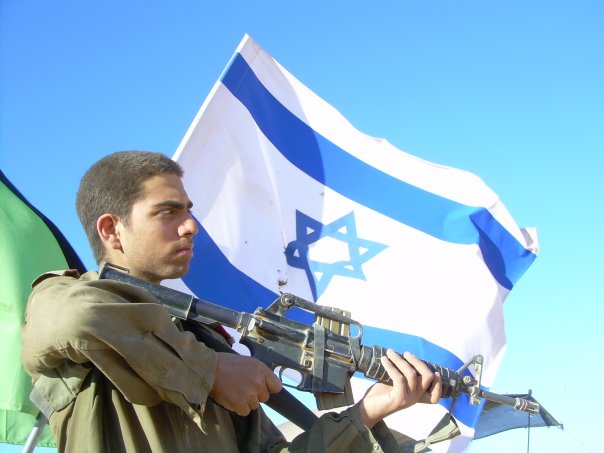

 Posts
Posts


