וַיֹּאמֶר יְהוָה אֶל-אַבְרָם, לֶךְ-לְךָ מֵאַרְצְךָ וּמִמּוֹלַדְתְּךָ וּמִבֵּית אָבִיךָ, אֶל-הָאָרֶץ, אֲשֶׁר אַרְאֶךָּ
Hashem said to Avram: 'Go for yourself, from your land, from your birthplace and from your father's house to the land that I will show you.'
(בראשית יב:א)
There are two parts of this Pasuk that I would like to deal with. The part that immediately interests us is the list of places that Hashem commands Avram to leave - Avram's land, his birthplace and his father's house. After that, Avram we read of the oddly vague "place that I will show you."
There is one obvious question to be asked on the first part of this pasuk. It is posed in the Kli Yakar's commentary: when one lists where one hails from, one normally starts with the most local place and then mentions increasingly bigger areas. For example, I was born in Hendon, which is in London, which in turn is in England. Here however, the list order is reversed. One possible reason for this could be that when moving away from a certain place, a person notices things that he used to take for granted. Personally I have noticed many cases of American and English expatriates assuming an exaggerated persona. I believe that the reason for this is as much to do with being homesick and attempting to compensate for the inability to actually be immersed in the old country's culture as it is to play the culture card on local people. By this I mean that I will often exaggerate my Londoner accent for Israeli and American friends as it is both a talking point, and also reminds people where I come from and what kind of behaviour and customs to expect from me. It also serves to confirm to myself that I am different from Israelis and that although I have moved abroad, I am not a native. To misquote Sting, "I'm an Englishman in Jerusalem!"
Coming back to the point, the word ארץ in Hebrew means land, but it also has another connotation. The word may be read as "א-רץ," meaning "I will run." The concept of the ground in Hebrew is the place you are heading to to, what your goal is. By way of comparison, Egypt is called מצרים, which derives from the word צר, meaning thin. Eretz Yisrael, a very thin strip of land geographically, is called "Eretz tova U'rechava - A good and wide land." How can that be? The answer is simple enough; that Egypt was a spiritually stifling place for the Jews to live in, whereas in Eretz Yisrael, our potential is significantly "wider" and expanded.
It is only natural that a man once removed from his natural surroundings will pine for them and attempt to re-enact them in his mind. For this reason, Hashem first told Avram to leave behind the land he came from. He wasn't telling him to literally leave the land first, that would be impossible! What was meant was for Avram to leave that mentality behind, to abandon it completely. Only after he had left behind this mentality could he truly leave his home and his father's house without feeling the need to come back.
But where shall he go to? We have grasped the fact that Avram had to leave behind all that he used to know, but where was he to head to? The Pasuk simply says the place "אשר אראך - that I will show you." How can Avram go somewhere without knowing where it is that he is to be heading?
To answer this, we may look at the beginning of the Pasuk. The first two words Hashem said, "לך לך," may be translated as "Go for yourself," but it can also be rendered "Go to yourself." Or, alternatively, "Go (to) 50." 50 is known as one of the many numbers of Kedusha. The concept here is not that Avram was being instructed to merely head for a different place on the map, rather that he was being commanded by Hashem to go to his limit, to reach the highest spiritual level he possibly could.
Wishing you a Shabbat Shalom!
Showing posts with label Elan Miller. Show all posts
Showing posts with label Elan Miller. Show all posts
Friday, November 04, 2011


Friday, September 23, 2011
Parshiot Nitzavim and Vayelech / פרשיות נצבים-וילך
ושב ה' אלוקיך את שבותך ורחמך ושב וקבצך מכל העמים אשר הפיצך ה' אלוקיך שמה.
(Deuteronomy 30:6)
In addition to its simple meaning, this pasuk, so the Chafetz Chaim writes, speaks of the Geulah. Here the Torah assures us that the day of redemption will surely come, and we must expect it to arrive at any time. And even though this long-awaited day is perpetually delayed, continues the Chaftez Chaim, we are obliged to wait because it will come.
One of the biggest problems with faith is that all the time we wait in exile, it is very hard to keep on "doing the right thing" without any sign to encourage us. If anything, all we have is discouragement; the once mighty Jewish kingdom might not be destroyed, but it certainly seems to be at the will of its foes. Given our glorious history, it doesn't seem inaccurate to describe the Jewish people as distressed and even disgraced - in such a low, maybe all we can do is hope!
The Rambam, in his seminal work, "Mishnah Torah," calls on the pasuk above when outlining the obligation for each and every Jew to wait and expect Moshiach's arrival. He explains that anyone who doesn't believe in him, or in his imminent coming, is not only going against the words of the jewish prophets, but also against this very verse from the Torah. (Hilchot Malachim 11:1)
I don't want to make this a slur on other religions, (I clearly believe in Judaism and I have no need to knock other people's beliefs, even if I hugely disagree with them,) but I really do like how in Judaism we don't merely cry out "I believe!" in the manner of one who doesn't know quite what he believes in. One of the most famous songs we Jews sings is that of "Ani Ma'amin," and the last few words we sing demonstrate the point I want to make beautifully. We say, "I believe with complete faith in the coming of the Moshiach. And even though he may tarry, I will wait for at any day he will arrive." These last few words are a perfect example of some of the defining qualities needed of a Jew - persistence, tenacity and patience. We don't merely believe, but we await something that will happen; something that we must prepare ourselves for.
The opening words of Parshat Nitzavim, "ואתם נצבים היום," are ones that have been commented on a lot - there is a much to be learned from the idea of the nation of Israel standing together. And yet, at the same time, there are many divisions - Am Yisrael is split into various groups following these words.
It often taught that when the Torah mentions standing, we are to understand that those who are standing are evaluating; taking stock of themselves. I would like to suggest that it is no coincidence that as Parshat Nitzavim always falls in Elul, in close proximity to Rosh Hashanah, that it should be obvious to all of us that at this time of year we engage in a little "Cheshbon Hanefesh" and refine our characters before we stand before Hashem on the Yamim Neraim.
For this reason, מרן רי"ז הלוי points out, we read the words, "כי לישועתך קוינו כל היום" in the Shmonah Esrei. These words translate as "For we have hoped for your redemption all day," which doesn't seem to flow all too well. A more natural choice of words would be to say that "we have hoped for your redemption every day, but the point is made better by expressing how we are constantly waiting.
The Yalkut Lekach Tov mentions a comment by the Chafetz Chaim on another pasuk further along in Parshat Nitzavim. To summarise briefly, the Chafetz Chaim explains that if one were to be approached by an angel and told that his judgement would be a negative one, that person would do all he could to change his ways. So, the Chafetz Chaim continues, why doesn't this person stop of his own accord? This question is one that challenges each and every one of us, and as I mentioned above, is at the essence of what it is to be a Jew. For when a person stops and takes account of himself, he realises that the activities he engages in are all too often pointless and a waste of time. Coming back to the original pasuk, can we truly say that we believe in the Geulah? If we do then we wouldn't just believe - we would wait anxiously, checking ourselves again and again to ensure that we are ready.
From Jerusalem, wishing you a Shabbat Shalom!
(Deuteronomy 30:6)
In addition to its simple meaning, this pasuk, so the Chafetz Chaim writes, speaks of the Geulah. Here the Torah assures us that the day of redemption will surely come, and we must expect it to arrive at any time. And even though this long-awaited day is perpetually delayed, continues the Chaftez Chaim, we are obliged to wait because it will come.
One of the biggest problems with faith is that all the time we wait in exile, it is very hard to keep on "doing the right thing" without any sign to encourage us. If anything, all we have is discouragement; the once mighty Jewish kingdom might not be destroyed, but it certainly seems to be at the will of its foes. Given our glorious history, it doesn't seem inaccurate to describe the Jewish people as distressed and even disgraced - in such a low, maybe all we can do is hope!
The Rambam, in his seminal work, "Mishnah Torah," calls on the pasuk above when outlining the obligation for each and every Jew to wait and expect Moshiach's arrival. He explains that anyone who doesn't believe in him, or in his imminent coming, is not only going against the words of the jewish prophets, but also against this very verse from the Torah. (Hilchot Malachim 11:1)
I don't want to make this a slur on other religions, (I clearly believe in Judaism and I have no need to knock other people's beliefs, even if I hugely disagree with them,) but I really do like how in Judaism we don't merely cry out "I believe!" in the manner of one who doesn't know quite what he believes in. One of the most famous songs we Jews sings is that of "Ani Ma'amin," and the last few words we sing demonstrate the point I want to make beautifully. We say, "I believe with complete faith in the coming of the Moshiach. And even though he may tarry, I will wait for at any day he will arrive." These last few words are a perfect example of some of the defining qualities needed of a Jew - persistence, tenacity and patience. We don't merely believe, but we await something that will happen; something that we must prepare ourselves for.
The opening words of Parshat Nitzavim, "ואתם נצבים היום," are ones that have been commented on a lot - there is a much to be learned from the idea of the nation of Israel standing together. And yet, at the same time, there are many divisions - Am Yisrael is split into various groups following these words.
It often taught that when the Torah mentions standing, we are to understand that those who are standing are evaluating; taking stock of themselves. I would like to suggest that it is no coincidence that as Parshat Nitzavim always falls in Elul, in close proximity to Rosh Hashanah, that it should be obvious to all of us that at this time of year we engage in a little "Cheshbon Hanefesh" and refine our characters before we stand before Hashem on the Yamim Neraim.
For this reason, מרן רי"ז הלוי points out, we read the words, "כי לישועתך קוינו כל היום" in the Shmonah Esrei. These words translate as "For we have hoped for your redemption all day," which doesn't seem to flow all too well. A more natural choice of words would be to say that "we have hoped for your redemption every day, but the point is made better by expressing how we are constantly waiting.
The Yalkut Lekach Tov mentions a comment by the Chafetz Chaim on another pasuk further along in Parshat Nitzavim. To summarise briefly, the Chafetz Chaim explains that if one were to be approached by an angel and told that his judgement would be a negative one, that person would do all he could to change his ways. So, the Chafetz Chaim continues, why doesn't this person stop of his own accord? This question is one that challenges each and every one of us, and as I mentioned above, is at the essence of what it is to be a Jew. For when a person stops and takes account of himself, he realises that the activities he engages in are all too often pointless and a waste of time. Coming back to the original pasuk, can we truly say that we believe in the Geulah? If we do then we wouldn't just believe - we would wait anxiously, checking ourselves again and again to ensure that we are ready.
From Jerusalem, wishing you a Shabbat Shalom!
Tuesday, September 20, 2011
"It's All Netanyahu's Fault," They Say. But Is It Really?
Over the last few weeks and months, a spurious lie has been spreading. Nothing new, perhaps, lies are told the whole time. But this one is a particularly important lie, and it needs quashing with immediate effect.
The lie goes as follows. The Palestinian people want to live in peace. They want to live in peace, alongside Israel. They want to live in peace, alongside Israel, the Jewish state. They want to live in peace, alongside Israel, the Jewish state, but Israeli Prime Minister, Benjamin Netanyahu, is an extremist and prevents them from doing so. Benjamin Netanyahu and his cohorts, the lie goes, are the sole reason why the peace process appears to be dead in the water.
To understand the claim better, we must go back some time. Earlier this year, Wikileaks collaborated with the Guardian to reveal hundreds of secret documents online. The Guardian went through the archives and found an astonishing incident. In an article entitled, "Israel spurned Palestinian offer of 'biggest Yerushalayim in history'", we are told that "Leaked papers reveal [Palestinian] negotiators proposed concessions on East Jerusalem settlements, Sheikh Jarrah and Old City holy sites" and that Palestinian chief negotiator, Saeb Erekat said the following: "It is no secret that … we are offering you the biggest Yerushalayim [the Hebrew word for Jerusalem] in history." The Guardian had a field day with this quote, using it as proof that the Palestinians were ready to make mass concessions. What was not mentioned in the headline, or in the analysis articles, was that Erekat went on to say, "But we must talk about the concept of al-Quds [Jerusalem in Arabic]."
The Guardian is quick to inform us that an "unprecedented offer” was made “on the East Jerusalem settlements”, carefully picking and mixing quotes that painted a story of Palestinian negotiators adopting a conciliatory approach, going so far as to propose "that Israel annex all Jewish settlements in Jerusalem except Har Homa." Put like this, it sounded very much like the Israelis were acting unreasonably, wantonly even.
In the ensuing debacle, Israel was roundly criticised for deliberately missing an opportunity to forge a real, lasting peace with the Palestinians. Had this been the end of the story, I would no doubt have not been writing about Palestinian lies, but about Israeli ones.
But the story does not end there. There is much that the Guardian neglected tell us in its editorials or headlines. For while Israel was indeed offered concessions by Palestinian negotiators, they were rendered obsolete and utterly invalidated when placed in the context of the greater plan put forward. Deep in the article, toward the end, we are told that Israel's negotiator was "recorded as dismissing the offer out of hand because the Palestinians had refused to concede Har Homa, as well as the settlements at Ma'ale Adumim, near Jerusalem, and Ariel, deeper in the West Bank." As this crucial fact was not afforded anywhere near the same level of prominence, Israel's reaction appears totally unreasonable.
Intriguingly, we are told that "Israel's position was fully supported by the Bush administration." Whatever one might say about the Bush administration, is worthy of note that the Israeli position was fully supported. No reservations were expressed. It was clear as day to the Americans that an offer on Jerusalem offset by a situation in which Ma'ale Adumim and Ariel would have to be ceded by the Israelis to Palestinian control was wholly unacceptable.
Not only this, but we might bear in mind recent statements made by Maen Rashid Areikat, the Palestine Liberation Organization's ambassador to the U.S., who said that the future Palestine should be free of Jews. After the firestorm that followed, Areikat then incriminated himself further when reiterating his position to the left-leaning Huffington Post stating that "Israeli soldiers and settlers -- 'persons who are amid an occupation, who are in my land illegally' -- would be rejected from the new Palestinian state." So, not only would Israel have to give Ariel and Ma'ale Adumim over to the Palestinians, but in excess of 56,000 people would be forcibly ejected from their homes and compelled to find a new place to live. Is it any wonder that Israel rejected such a proposition? The peace process is dead in the water, but not for lack of Israel trying. It is dead in the water because the Palestinian leadership has led us so far up a futile and fruitless path that there is nowhere else to turn but to yet more ridiculous measures. By acting like a petulant child, not only is the Palestinian leadership dismissing Israel's concerns and requirements, but it is effectively sabotaging the demands and needs of its own people, too.
For almost two decades now, there has been an implicit understanding that negotiations will take place based on the cease-fire line of 1949 commonly known as the "1967 borders". This line was never intended to constitute a border. How it came to be regarded as sacred has been one of the greatest deceptions of our time. So when President Obama states that Israel will need to find a solution based on this line, this is a massive break with previous agreements and understandings. Instead of focusing on the abominable racial incitement and insidious accusations of land theft being propagated by the Palestinians, a blind eye is turn to such indiscretions and the heat is turned on Israel for having the gall to demand that tens of thousands of people not be uprooted from their homes.
It is revealing that Palestinian President Mahmoud Abbas saw fit to select Latifa Abu Hmeid, the mother of several terrorists involved in multiple attacks on Israeli civilians, to be the ambassador for the Palestinian independence bid. Abbas might be a moderate relative to his predecessor Yassir Arafat, but there can be no doubt that he is absolutely not moderate. In choosing such a person to endorse the bid, we are told everything we need to know about his vision and aspirations.
It would be bad enough if this was an aberration from the norm. But it’s not. Previously, Abbas has overseen the dedication of a town square near Ramallah to another Palestinian national icon, Dalal Al Mughrabi, the terrorist who killed 37 people, including 13 children, after hijacking an Israeli bus in 1979. At least two schools and numerous summer camps are amongst the recipients of having the dubious honour of being named after this murderer. Such are the heroes of the Palestinian people.
Even more disturbingly, you might have missed such enthralling television as this, in which little children are shown dressing up as suicide bombers and clutching mock AK-47 rifles. Similarly, another odious clip depicts a little girl facing the screen telling viewers that Israel “stole” all the land, and “changed the names”. It’s bad enough that the current generation make unreasonable demands of Israel. Much, much worse is that the current generation are being indoctrinated before our eyes, being led to believe that Israel – in its totality – has no right to exist at all.
So. Do the Palestinian people want to live in peace? To be fair, I imagine the answer is that many do. Most people in the world do. But do the Palestinian people want to live peace alongside Israel? Well, no, not if repeated attempts to portray the residents of Tel Aviv, Haifa, west Jerusalem and other internationally undisputed Israel-controlled areas as land thieves and aliens are anything to go by. As long as the entire Jewish state is repeatedly deemed illegal and a travesty of justice, then it follows that the Palestinians are not prepared to accept an Israeli state alongside it. As long as such agitation reigns unchecked, what hope is there for peace?
It would take someone with all the vision of a Cyclops to believe that Netanyahu is responsible for Abbas’s endorsement and glorification of terror and his subsequent refusal to engage in negotiations. Benjamin Netanyahu's fault? Israel wilfully spurning opportunities to make peace? Palestinians forced to a final resort? Hardly. Don’t believe the lie, no matter how many times you hear it.
The lie goes as follows. The Palestinian people want to live in peace. They want to live in peace, alongside Israel. They want to live in peace, alongside Israel, the Jewish state. They want to live in peace, alongside Israel, the Jewish state, but Israeli Prime Minister, Benjamin Netanyahu, is an extremist and prevents them from doing so. Benjamin Netanyahu and his cohorts, the lie goes, are the sole reason why the peace process appears to be dead in the water.
To understand the claim better, we must go back some time. Earlier this year, Wikileaks collaborated with the Guardian to reveal hundreds of secret documents online. The Guardian went through the archives and found an astonishing incident. In an article entitled, "Israel spurned Palestinian offer of 'biggest Yerushalayim in history'", we are told that "Leaked papers reveal [Palestinian] negotiators proposed concessions on East Jerusalem settlements, Sheikh Jarrah and Old City holy sites" and that Palestinian chief negotiator, Saeb Erekat said the following: "It is no secret that … we are offering you the biggest Yerushalayim [the Hebrew word for Jerusalem] in history." The Guardian had a field day with this quote, using it as proof that the Palestinians were ready to make mass concessions. What was not mentioned in the headline, or in the analysis articles, was that Erekat went on to say, "But we must talk about the concept of al-Quds [Jerusalem in Arabic]."
The Guardian is quick to inform us that an "unprecedented offer” was made “on the East Jerusalem settlements”, carefully picking and mixing quotes that painted a story of Palestinian negotiators adopting a conciliatory approach, going so far as to propose "that Israel annex all Jewish settlements in Jerusalem except Har Homa." Put like this, it sounded very much like the Israelis were acting unreasonably, wantonly even.
In the ensuing debacle, Israel was roundly criticised for deliberately missing an opportunity to forge a real, lasting peace with the Palestinians. Had this been the end of the story, I would no doubt have not been writing about Palestinian lies, but about Israeli ones.
But the story does not end there. There is much that the Guardian neglected tell us in its editorials or headlines. For while Israel was indeed offered concessions by Palestinian negotiators, they were rendered obsolete and utterly invalidated when placed in the context of the greater plan put forward. Deep in the article, toward the end, we are told that Israel's negotiator was "recorded as dismissing the offer out of hand because the Palestinians had refused to concede Har Homa, as well as the settlements at Ma'ale Adumim, near Jerusalem, and Ariel, deeper in the West Bank." As this crucial fact was not afforded anywhere near the same level of prominence, Israel's reaction appears totally unreasonable.
Intriguingly, we are told that "Israel's position was fully supported by the Bush administration." Whatever one might say about the Bush administration, is worthy of note that the Israeli position was fully supported. No reservations were expressed. It was clear as day to the Americans that an offer on Jerusalem offset by a situation in which Ma'ale Adumim and Ariel would have to be ceded by the Israelis to Palestinian control was wholly unacceptable.
Not only this, but we might bear in mind recent statements made by Maen Rashid Areikat, the Palestine Liberation Organization's ambassador to the U.S., who said that the future Palestine should be free of Jews. After the firestorm that followed, Areikat then incriminated himself further when reiterating his position to the left-leaning Huffington Post stating that "Israeli soldiers and settlers -- 'persons who are amid an occupation, who are in my land illegally' -- would be rejected from the new Palestinian state." So, not only would Israel have to give Ariel and Ma'ale Adumim over to the Palestinians, but in excess of 56,000 people would be forcibly ejected from their homes and compelled to find a new place to live. Is it any wonder that Israel rejected such a proposition? The peace process is dead in the water, but not for lack of Israel trying. It is dead in the water because the Palestinian leadership has led us so far up a futile and fruitless path that there is nowhere else to turn but to yet more ridiculous measures. By acting like a petulant child, not only is the Palestinian leadership dismissing Israel's concerns and requirements, but it is effectively sabotaging the demands and needs of its own people, too.
For almost two decades now, there has been an implicit understanding that negotiations will take place based on the cease-fire line of 1949 commonly known as the "1967 borders". This line was never intended to constitute a border. How it came to be regarded as sacred has been one of the greatest deceptions of our time. So when President Obama states that Israel will need to find a solution based on this line, this is a massive break with previous agreements and understandings. Instead of focusing on the abominable racial incitement and insidious accusations of land theft being propagated by the Palestinians, a blind eye is turn to such indiscretions and the heat is turned on Israel for having the gall to demand that tens of thousands of people not be uprooted from their homes.
It is revealing that Palestinian President Mahmoud Abbas saw fit to select Latifa Abu Hmeid, the mother of several terrorists involved in multiple attacks on Israeli civilians, to be the ambassador for the Palestinian independence bid. Abbas might be a moderate relative to his predecessor Yassir Arafat, but there can be no doubt that he is absolutely not moderate. In choosing such a person to endorse the bid, we are told everything we need to know about his vision and aspirations.
It would be bad enough if this was an aberration from the norm. But it’s not. Previously, Abbas has overseen the dedication of a town square near Ramallah to another Palestinian national icon, Dalal Al Mughrabi, the terrorist who killed 37 people, including 13 children, after hijacking an Israeli bus in 1979. At least two schools and numerous summer camps are amongst the recipients of having the dubious honour of being named after this murderer. Such are the heroes of the Palestinian people.
Even more disturbingly, you might have missed such enthralling television as this, in which little children are shown dressing up as suicide bombers and clutching mock AK-47 rifles. Similarly, another odious clip depicts a little girl facing the screen telling viewers that Israel “stole” all the land, and “changed the names”. It’s bad enough that the current generation make unreasonable demands of Israel. Much, much worse is that the current generation are being indoctrinated before our eyes, being led to believe that Israel – in its totality – has no right to exist at all.
So. Do the Palestinian people want to live in peace? To be fair, I imagine the answer is that many do. Most people in the world do. But do the Palestinian people want to live peace alongside Israel? Well, no, not if repeated attempts to portray the residents of Tel Aviv, Haifa, west Jerusalem and other internationally undisputed Israel-controlled areas as land thieves and aliens are anything to go by. As long as the entire Jewish state is repeatedly deemed illegal and a travesty of justice, then it follows that the Palestinians are not prepared to accept an Israeli state alongside it. As long as such agitation reigns unchecked, what hope is there for peace?
It would take someone with all the vision of a Cyclops to believe that Netanyahu is responsible for Abbas’s endorsement and glorification of terror and his subsequent refusal to engage in negotiations. Benjamin Netanyahu's fault? Israel wilfully spurning opportunities to make peace? Palestinians forced to a final resort? Hardly. Don’t believe the lie, no matter how many times you hear it.
Friday, August 19, 2011
Parshat Ekev - פרשת עקב
" הִשָּׁמֶר לְךָ, פֶּן תִּשְׁכַּח אֶת יְהוָה אֱלֹהֶיךָ, לְבִלְתִּי שְׁמֹר מִצְוֹתָיו וּמִשְׁפָּטָיו וְחֻקֹּתָיו, אֲשֶׁר אָנֹכִי מְצַוְּךָ הַיּוֹם. - Beware lest you forget Hashem your God, in not keeping His commandments, and His ordinances, and His statutes, that I command you this day."
(דברים ח:יא)
Parshat Ekev is a parsha that is full of mitzvot. One particular one interests us in this Dvar Torah. The verses preceding the quote above detail the commandment to remember the 40 years the Jews sent wandering in the desert. In that time, we were sent the Mon (Manna when rendered in English for some odd reason) - a heaven sent food substitute that was pure spiritual nourishment. The verses there explain that it was food " אֲשֶׁר לֹא יָדַעְתָּ, וְלֹא יָדְעוּן אֲבֹתֶיךָ - that you did not know, and your forefathers did not know" (i.e. it was totally foreign and bizarre to us) so that we would learn to rely on Hashem and so that we would appreciate our place and role in this world better. Indeed, the narrative goes on to explain "לְמַעַן הוֹדִיעֲךָ, כִּי לֹא עַל הַלֶּחֶם לְבַדּוֹ יִחְיֶה הָאָדָם, כִּי עַל כָּל-מוֹצָא פִי יְהוָה, יִחְיֶה הָאָדָם - In order to let you know; that man does not live by bread alone, but by every thing that issues from Hashem's mouth man lives."
Rav Shimshon Rephael Hirsch writes in his commentary here that there was a reason why bread specifically is mentioned. At first, we might find it odd that that bread is mentioned - bread is a kind of food that requires man's input for it to be completed. One doesn't eat wheat by itself, as it is found in nature. For bread to be eaten, man must work on the wheat. With this in mind, we may understand the reason that bread is mentioned. Almost all people appreciate the wonders of the natural world. Anyone who picks an apple from a tree and eats it will agree with you that it is amazing that something so tasty can be found growing naturally. But a person who works hard on bread might be forgiven for thinking that he is at least an equal partner in the process of creating the food.
For this reason, close to this passage we find the verse quoted above - warning us not to forget Hashem and our responsibilities. There are plenty of commandments in this week's Parsha, but this specific passage merits the warning above. Why is that? Well, Rav Hirsch explains that if we look at the verse closely, we can see three categories מצוות (commandments), משפטים (laws) and חוקים (statutes). Now, traditionally we regard the latter two as more severe categories of obligations toward Hashem. That being the case, there must be a good reason as to why מצותיו (His commandments) is listed first. Rav Hirsch posits the explanation that this category deals with the things that we derive enjoyment from in this world. Bread, and food as a general, is something that Hashem gave us to enjoy. It is a strong Jewish belief that everything in this world is created for man to make use of or benefit from.
The problem is, we are only human and susceptible to momentary lapses of appreciation of this fine gift. As such, Hashem makes a point of stressing that while we are to derive benefit from all "that issues from Hashem's mouth", we must be careful to never become lax and take for granted what we have in this world.
Wishing you a Shabbat Shalom :)
(דברים ח:יא)
Parshat Ekev is a parsha that is full of mitzvot. One particular one interests us in this Dvar Torah. The verses preceding the quote above detail the commandment to remember the 40 years the Jews sent wandering in the desert. In that time, we were sent the Mon (Manna when rendered in English for some odd reason) - a heaven sent food substitute that was pure spiritual nourishment. The verses there explain that it was food " אֲשֶׁר לֹא יָדַעְתָּ, וְלֹא יָדְעוּן אֲבֹתֶיךָ - that you did not know, and your forefathers did not know" (i.e. it was totally foreign and bizarre to us) so that we would learn to rely on Hashem and so that we would appreciate our place and role in this world better. Indeed, the narrative goes on to explain "לְמַעַן הוֹדִיעֲךָ, כִּי לֹא עַל הַלֶּחֶם לְבַדּוֹ יִחְיֶה הָאָדָם, כִּי עַל כָּל-מוֹצָא פִי יְהוָה, יִחְיֶה הָאָדָם - In order to let you know; that man does not live by bread alone, but by every thing that issues from Hashem's mouth man lives."
Rav Shimshon Rephael Hirsch writes in his commentary here that there was a reason why bread specifically is mentioned. At first, we might find it odd that that bread is mentioned - bread is a kind of food that requires man's input for it to be completed. One doesn't eat wheat by itself, as it is found in nature. For bread to be eaten, man must work on the wheat. With this in mind, we may understand the reason that bread is mentioned. Almost all people appreciate the wonders of the natural world. Anyone who picks an apple from a tree and eats it will agree with you that it is amazing that something so tasty can be found growing naturally. But a person who works hard on bread might be forgiven for thinking that he is at least an equal partner in the process of creating the food.
For this reason, close to this passage we find the verse quoted above - warning us not to forget Hashem and our responsibilities. There are plenty of commandments in this week's Parsha, but this specific passage merits the warning above. Why is that? Well, Rav Hirsch explains that if we look at the verse closely, we can see three categories מצוות (commandments), משפטים (laws) and חוקים (statutes). Now, traditionally we regard the latter two as more severe categories of obligations toward Hashem. That being the case, there must be a good reason as to why מצותיו (His commandments) is listed first. Rav Hirsch posits the explanation that this category deals with the things that we derive enjoyment from in this world. Bread, and food as a general, is something that Hashem gave us to enjoy. It is a strong Jewish belief that everything in this world is created for man to make use of or benefit from.
The problem is, we are only human and susceptible to momentary lapses of appreciation of this fine gift. As such, Hashem makes a point of stressing that while we are to derive benefit from all "that issues from Hashem's mouth", we must be careful to never become lax and take for granted what we have in this world.
Wishing you a Shabbat Shalom :)
Friday, July 22, 2011
Parshiot Matot and Masei - פרשיות מטות ומסעי
"וידבר משה אל ראשי המטות לבני ישראל לאמר זה הדבר אשר צוה יהוה. And Moshe spoke to the heads of the tribes, to the B'nei Yisrael saying, this is the word that Hashem commands."
~Numbers 30:2
Normally I'd write about that which Moshe goes on to say but instead I'd like to discuss the manner in which Moshe speaks here.
The Sfat Emet raises precisely this issue, noting that Moshe uses the opening statement "זה הדבר," as opposed to the word "כה," which is frequently employed by lesser prophets. The former phrase suggests a level of accuracy that the latter lacks - it roughly means, "This is exactly that which was said."
With this in mind, the Sfat Emet asks a question - why are some of Moshe's prophecies introduced with the word "כה?" The answer is simple but spectacular - that there are things in this world which cannot truly be understood or grasped. We can talk our way around these issues with analogies, allusions and the like, but our understanding will only ever be imprecise at best. We learn that one of the Rambam's 13 principles of faith is to believe that Moshe was Hashem's greatest prophet, a prophet who was far more highly receptive of God's will than any other man. And yet even Moshe, who had the ability to relate his prophecies with absolute precision, could sometimes not address the people with the words, "זה הדבר."
So what is this realm that we cannot really understand? The Sfat Emet explains that it is the "Olam HaZeh." (The World we live in, as opposed to the afterlife.) At first glance, this might seem a little odd; after all, don't we live in "Olam HaZeh," wouldn't the affairs of this world be things that we grasp? Wouldn't goings-on of the spiritual realm of the world to come, the "Olam Haba"; wouldn't they be more likely to be inaccessable to us?
On reading the words closely, we can understand the concept better. The word "Olam," of "Olam Hazeh," is linked to the word "Ne'elam," meaning hidden. The first word of the phrase, "Hazeh," serves to indicate something very specific - something that can be quantified and related to. When we say "Zeh" in Hebrew, or "this" in English, we typically refer to something that is a known quantity. If we put this two words together, we arrive at a contradiction; which world are we living in? Is it a hidden world or a revealed world? Is everything clear to us, or is it all hidden away?
It would seem that the Sfat Emet is subtly teaching that this world has two parallel aspects. It isn't one or the other, but rather a composite of these two elements. There are times when everything seems clear, moments when we can say "Zeh HaDavar." But equally, even to the greatest and wisest minds, there are moments that can only be referred to as a moment when we only partially understand what's happening - a moment that is best defined by "Koh."
In Kabbalah thought, man is referred to as an "Olam Katan," a little world. I think we may see a parallel here, too. Every person has moments where they think that they know themselves inside out. But then we learn something new about ourselves. Nobody knows us like we do ourselves, but even we can be surprised by ourselves if we look and listen carefully enough. I think we may take this experience and apply it to the world at large. Many times I personally have caught myself thinking that I know a lot, only for me to be humbled and find out that my knowledge is actually relatively insignificant and sadly incomplete. It is up to us to learn how to deal with moments such as this; do we act arrogantly and defy what we are learning, or do we take a step back and admit to ourselves that we have much to learn? It's a terrible thing to be stuck in the same mindset and never to budge, even after hearing of a valid disproof to your ideas. I only hope that we can all grow and adapt to whatever new knowledge we may learn in life.
Wishing you all a Shabbat Shalom :)
~Numbers 30:2
Normally I'd write about that which Moshe goes on to say but instead I'd like to discuss the manner in which Moshe speaks here.
The Sfat Emet raises precisely this issue, noting that Moshe uses the opening statement "זה הדבר," as opposed to the word "כה," which is frequently employed by lesser prophets. The former phrase suggests a level of accuracy that the latter lacks - it roughly means, "This is exactly that which was said."
With this in mind, the Sfat Emet asks a question - why are some of Moshe's prophecies introduced with the word "כה?" The answer is simple but spectacular - that there are things in this world which cannot truly be understood or grasped. We can talk our way around these issues with analogies, allusions and the like, but our understanding will only ever be imprecise at best. We learn that one of the Rambam's 13 principles of faith is to believe that Moshe was Hashem's greatest prophet, a prophet who was far more highly receptive of God's will than any other man. And yet even Moshe, who had the ability to relate his prophecies with absolute precision, could sometimes not address the people with the words, "זה הדבר."
So what is this realm that we cannot really understand? The Sfat Emet explains that it is the "Olam HaZeh." (The World we live in, as opposed to the afterlife.) At first glance, this might seem a little odd; after all, don't we live in "Olam HaZeh," wouldn't the affairs of this world be things that we grasp? Wouldn't goings-on of the spiritual realm of the world to come, the "Olam Haba"; wouldn't they be more likely to be inaccessable to us?
On reading the words closely, we can understand the concept better. The word "Olam," of "Olam Hazeh," is linked to the word "Ne'elam," meaning hidden. The first word of the phrase, "Hazeh," serves to indicate something very specific - something that can be quantified and related to. When we say "Zeh" in Hebrew, or "this" in English, we typically refer to something that is a known quantity. If we put this two words together, we arrive at a contradiction; which world are we living in? Is it a hidden world or a revealed world? Is everything clear to us, or is it all hidden away?
It would seem that the Sfat Emet is subtly teaching that this world has two parallel aspects. It isn't one or the other, but rather a composite of these two elements. There are times when everything seems clear, moments when we can say "Zeh HaDavar." But equally, even to the greatest and wisest minds, there are moments that can only be referred to as a moment when we only partially understand what's happening - a moment that is best defined by "Koh."
In Kabbalah thought, man is referred to as an "Olam Katan," a little world. I think we may see a parallel here, too. Every person has moments where they think that they know themselves inside out. But then we learn something new about ourselves. Nobody knows us like we do ourselves, but even we can be surprised by ourselves if we look and listen carefully enough. I think we may take this experience and apply it to the world at large. Many times I personally have caught myself thinking that I know a lot, only for me to be humbled and find out that my knowledge is actually relatively insignificant and sadly incomplete. It is up to us to learn how to deal with moments such as this; do we act arrogantly and defy what we are learning, or do we take a step back and admit to ourselves that we have much to learn? It's a terrible thing to be stuck in the same mindset and never to budge, even after hearing of a valid disproof to your ideas. I only hope that we can all grow and adapt to whatever new knowledge we may learn in life.
Wishing you all a Shabbat Shalom :)
Friday, July 15, 2011
Parshat Pinchas - פרשת פינחס
"Therefore say - Behold, I shall give to him my covenant: peace - לכן אמר הנני נותן לו את-בריתי שלום"
(Bamidbar 25:12)
In this week's Parsha, we read of how Zimri ben Salu, a Nasi of the tribe of Shimon, slept with a Midianite woman, Cozbi bat Tzur. Pinchas, furious with their illicit relationship, slaughtered them together simultaneously with his spear. In this context, it is interesting to read of Hashem's instruction to Moshe - to bless Pinchas with a Brit Shalom (a peace covenant). After such a violent episode it certainly does seems fitting for Pinchas to be blessed with peace, but is there anything else going on beneath the surface, another dimension to this blessing that we may explore?
In Rav Shimshon Raphael Hirsch's chumash, the commentary on this part of the Parsha details how Hashem "places the responsibilty for the realisation of the supreme harmony of peace on precisely those who individuals whose actions a thoughtless world, anxious to mask its passivity and negligence as 'love of peace,' would brand and condemn as 'disturbances of the peace.'" Whereas the act of killing Zimri and Cozbi might seem horrifying, and understandbly so, we must understand that when an action is required, we must be ready to peform our duties without a moment's hesitation.
I believe that there's a pertinent message to be learned from this episode. Unfortunately, many times Israel has been forced to act in a strong way in order to defend itself. Consequently Israel comes under a hail of criticism for her actions, even if the actions were the right ones. All kinds of "logical" arguments are thrown at the Jewish nation, each with the aim of persuading us from ceasing to defend ourselves. The concept of pacifism is something entirely laudable, but when other nations tell the Jews to be pacifists in the face of terrorism the concept becomes laughable. Unfortunately, there are elements of Jewish and Israeli society who are convinced that if only Israel were to stop defending herself would there be peace and the Arabs would live in peace with us.
Pinchas' blessing of peace was entirely fitting as it was proof that he had acted in the right way. If he had taken a half measure, he would have compromised on his values and not acted out of total fear and love for God. The relevant psukim specifically mention Zimri's and Cozbi's familiy background - if Pinchas had any level of fear for anything other than God, he would have been too scared to act the way he did. We must understand that while we cannot go about killing people carte blanche (this was a special case and not the norm) we must always be ready to act on behalf of Hashem and for this to be true, we must be at peace with our relationship towards Hashem. The truth of the matter is that anyone who fights against that which is injust and immoral, no matter what the world thinks or what is deemed politically correct, is a champion of true peace. Conversely, anyone who cedes ground to an opposition that is in conflict with God is an enemy of peace. It makes no sense to make concessions to an enemy who is in direct conflict with God and for this reason, it is exactly because of Pinchas' dedication and commitment to Hashem that he deserved the blessing of peace.
Wishing you a Shabbat Shalom!
(Bamidbar 25:12)
In this week's Parsha, we read of how Zimri ben Salu, a Nasi of the tribe of Shimon, slept with a Midianite woman, Cozbi bat Tzur. Pinchas, furious with their illicit relationship, slaughtered them together simultaneously with his spear. In this context, it is interesting to read of Hashem's instruction to Moshe - to bless Pinchas with a Brit Shalom (a peace covenant). After such a violent episode it certainly does seems fitting for Pinchas to be blessed with peace, but is there anything else going on beneath the surface, another dimension to this blessing that we may explore?
In Rav Shimshon Raphael Hirsch's chumash, the commentary on this part of the Parsha details how Hashem "places the responsibilty for the realisation of the supreme harmony of peace on precisely those who individuals whose actions a thoughtless world, anxious to mask its passivity and negligence as 'love of peace,' would brand and condemn as 'disturbances of the peace.'" Whereas the act of killing Zimri and Cozbi might seem horrifying, and understandbly so, we must understand that when an action is required, we must be ready to peform our duties without a moment's hesitation.
I believe that there's a pertinent message to be learned from this episode. Unfortunately, many times Israel has been forced to act in a strong way in order to defend itself. Consequently Israel comes under a hail of criticism for her actions, even if the actions were the right ones. All kinds of "logical" arguments are thrown at the Jewish nation, each with the aim of persuading us from ceasing to defend ourselves. The concept of pacifism is something entirely laudable, but when other nations tell the Jews to be pacifists in the face of terrorism the concept becomes laughable. Unfortunately, there are elements of Jewish and Israeli society who are convinced that if only Israel were to stop defending herself would there be peace and the Arabs would live in peace with us.
Pinchas' blessing of peace was entirely fitting as it was proof that he had acted in the right way. If he had taken a half measure, he would have compromised on his values and not acted out of total fear and love for God. The relevant psukim specifically mention Zimri's and Cozbi's familiy background - if Pinchas had any level of fear for anything other than God, he would have been too scared to act the way he did. We must understand that while we cannot go about killing people carte blanche (this was a special case and not the norm) we must always be ready to act on behalf of Hashem and for this to be true, we must be at peace with our relationship towards Hashem. The truth of the matter is that anyone who fights against that which is injust and immoral, no matter what the world thinks or what is deemed politically correct, is a champion of true peace. Conversely, anyone who cedes ground to an opposition that is in conflict with God is an enemy of peace. It makes no sense to make concessions to an enemy who is in direct conflict with God and for this reason, it is exactly because of Pinchas' dedication and commitment to Hashem that he deserved the blessing of peace.
Wishing you a Shabbat Shalom!
Friday, July 08, 2011
Parshat Balak - פרשת בלק
"וַיִּפְתַּח יְהוָה, אֶת-פִּי הָאָתוֹן; וַתֹּאמֶר לְבִלְעָם, מֶה-עָשִׂיתִי לְךָ, כִּי הִכִּיתַנִי, זֶה שָׁלֹשׁ רְגָלִים. - And Hashem opened the mouth of the donkey, and it said to Balaam: 'What have I done to you, that thou have hit me these three times?' "
~Numbers 22:28
The last words of the passage above, "שָׁלֹשׁ רְגָלִים," are understood to mean three times. Literally, however, the combination of words means "three feet". This phrase is known in Judaism to refer to the three "foot" festivals: Pesach, Shavuot and Sukkot. (They were known as foot festivals because the entire people would descend on Jerusalem, proceeding there by foot, in order to mark the holidays.) The normal way of saying three times in Hebrew would be "שלוש פעמים", so why the unusual terminology here?
Rashi explains that the words were meant as "a hint to him [Bilaam]. 'You seek to uproot a nation that observes the three festivals each year'", was the message. The problem is, while this does explain the reference somewhat, it doesn't satifactorily identify why this specific aspect of the Jewish nation is referred to. After all, Jews have many unique characteristics; why not refer to our observance of Shabbat, Brit Milah, heck, even our big noses! What's so special about the Three Foot Festivals that they are specifically referred to here? And why should Bilaam care?!
Moreover, the Gur Aryeh notes that while the regular פעם and its plural form of פעמים appear over 100 times over the course of the Torah, this word "רגלים" appears just four times in the Torah: three times here and once more in Exodus when referring to the festivals themselves. Clearly, there is a connection, but what is it exactly?
The Sfat Emet asks exactly this question, and posits an answer that I find particularly brilliant and illuminating. His explanation is that these three festivals were a form of testimony that the land of Israel was part of the Jewish heritage, and that it was the place where the Bet Hamikdash would stand. (He sources this from a verse in D'varim: "שָׁלוֹשׁ פְּעָמִים בַּשָּׁנָה יֵרָאֶה כָל-זְכוּרְךָ אֶת-פְּנֵי יְהוָה אֱלֹהֶיךָ, בַּמָּקוֹם אֲשֶׁר יִבְחָר--בְּחַג הַמַּצּוֹת וּבְחַג הַשָּׁבֻעוֹת, וּבְחַג הַסֻּכּוֹת; וְלֹא יֵרָאֶה אֶת-פְּנֵי יְהוָה, רֵיקָם. - Three times in a year shall all your males appear before Hashem your God in the place that He shall choose; on the festival of Matzot, and on the festival of Shavuot, and on the festival of Sukkot; and they shall not appear before Hashem empty." [Deuteronomy 16:16])
The curse that Balak was trying to place on the Bnei Yisrael, through his messenger Bilaam, was to remove them from their deserved inheritance of the land of Israel. This actually makes a lot of sense with the text; earlier, Balak complains about that the Jews have "covered the eye of the land" (Numbers 22:5). Clearly, someone doesn't want the Jews to settle down in this particular spot.
Now that we understand what this fear was, and why this particular mitzvah of observing the three foot festivals was referenced, the Sfat Emet goes on to reveal an aspect of the blessing that Bilaam is forced into bestowing upon the Jews. This is the part of the Dvar Torah I most like. Famously, Bilaam pronounces, " כִּי-מֵרֹאשׁ צֻרִים אֶרְאֶנּוּ, וּמִגְּבָעוֹת אֲשׁוּרֶנּוּ: הֶן-עָם לְבָדָד יִשְׁכֹּן, וּבַגּוֹיִם לֹא יִתְחַשָּׁב. מִי מָנָה עֲפַר יַעֲקֹב, וּמִסְפָּר אֶת-רֹבַע יִשְׂרָאֵל; תָּמֹת נַפְשִׁי מוֹת יְשָׁרִים, וּתְהִי אַחֲרִיתִי כָּמֹהוּ - For from the top of the rocks I see it, and from the hills I view it: Behold! it is a people that will dwell alone, and shall not be reckoned amongst the nations. Who has counted the dust of Jacob, or numbered a quarter of Israel? Let me die the death of the righteous, and may my end be like his!" (Numbers 23: 9-10) This blessing is amongst the most notable in the Torah, and so I never really paused to consider the way it is phrased. The Sfat Emet, though, remarks upon the words "Who has counted the dust of Jacob." Upon consideration, I think we may agree that the word dust seems rather unusual. The answer the Sfat Emet gives is that this is another link, (Midah k'neged Midah, I might add) to the land of Israel. For just as Bilaam went out to deprive the Bnei Yisrael of their right to the land of Israel, he ultimately only goes to underscore it. As the Sfat Emet explains, the word dust here refers to the land itself and all the MItzvot that the Bnei Yisrael were given that could only be observed fully upon the land of Israel.
I think we might find this passage highly relevant to our times. In an age where there is an ongoing campaign to deprive the Jewish nation of their right to their homeland, it is important that we remember where we got this right from. Not from the League of Nations vote in November 1947, neither from our winning the War of Independence. No, the real reason why the Jewish people deserve to live in the land of Israel is because it is ours; an eternal heritage and our home. We would do well to remember this and that the source of our claim is biblical, no less. If we can remember this, stick to it and observe the Torah, the day will surely come when our claim to this land will be recognised by all. Amen!
Wishing you all a Shabbat Shalom.
~Numbers 22:28
The last words of the passage above, "שָׁלֹשׁ רְגָלִים," are understood to mean three times. Literally, however, the combination of words means "three feet". This phrase is known in Judaism to refer to the three "foot" festivals: Pesach, Shavuot and Sukkot. (They were known as foot festivals because the entire people would descend on Jerusalem, proceeding there by foot, in order to mark the holidays.) The normal way of saying three times in Hebrew would be "שלוש פעמים", so why the unusual terminology here?
Rashi explains that the words were meant as "a hint to him [Bilaam]. 'You seek to uproot a nation that observes the three festivals each year'", was the message. The problem is, while this does explain the reference somewhat, it doesn't satifactorily identify why this specific aspect of the Jewish nation is referred to. After all, Jews have many unique characteristics; why not refer to our observance of Shabbat, Brit Milah, heck, even our big noses! What's so special about the Three Foot Festivals that they are specifically referred to here? And why should Bilaam care?!
Moreover, the Gur Aryeh notes that while the regular פעם and its plural form of פעמים appear over 100 times over the course of the Torah, this word "רגלים" appears just four times in the Torah: three times here and once more in Exodus when referring to the festivals themselves. Clearly, there is a connection, but what is it exactly?
The Sfat Emet asks exactly this question, and posits an answer that I find particularly brilliant and illuminating. His explanation is that these three festivals were a form of testimony that the land of Israel was part of the Jewish heritage, and that it was the place where the Bet Hamikdash would stand. (He sources this from a verse in D'varim: "שָׁלוֹשׁ פְּעָמִים בַּשָּׁנָה יֵרָאֶה כָל-זְכוּרְךָ אֶת-פְּנֵי יְהוָה אֱלֹהֶיךָ, בַּמָּקוֹם אֲשֶׁר יִבְחָר--בְּחַג הַמַּצּוֹת וּבְחַג הַשָּׁבֻעוֹת, וּבְחַג הַסֻּכּוֹת; וְלֹא יֵרָאֶה אֶת-פְּנֵי יְהוָה, רֵיקָם. - Three times in a year shall all your males appear before Hashem your God in the place that He shall choose; on the festival of Matzot, and on the festival of Shavuot, and on the festival of Sukkot; and they shall not appear before Hashem empty." [Deuteronomy 16:16])
The curse that Balak was trying to place on the Bnei Yisrael, through his messenger Bilaam, was to remove them from their deserved inheritance of the land of Israel. This actually makes a lot of sense with the text; earlier, Balak complains about that the Jews have "covered the eye of the land" (Numbers 22:5). Clearly, someone doesn't want the Jews to settle down in this particular spot.
Now that we understand what this fear was, and why this particular mitzvah of observing the three foot festivals was referenced, the Sfat Emet goes on to reveal an aspect of the blessing that Bilaam is forced into bestowing upon the Jews. This is the part of the Dvar Torah I most like. Famously, Bilaam pronounces, " כִּי-מֵרֹאשׁ צֻרִים אֶרְאֶנּוּ, וּמִגְּבָעוֹת אֲשׁוּרֶנּוּ: הֶן-עָם לְבָדָד יִשְׁכֹּן, וּבַגּוֹיִם לֹא יִתְחַשָּׁב. מִי מָנָה עֲפַר יַעֲקֹב, וּמִסְפָּר אֶת-רֹבַע יִשְׂרָאֵל; תָּמֹת נַפְשִׁי מוֹת יְשָׁרִים, וּתְהִי אַחֲרִיתִי כָּמֹהוּ - For from the top of the rocks I see it, and from the hills I view it: Behold! it is a people that will dwell alone, and shall not be reckoned amongst the nations. Who has counted the dust of Jacob, or numbered a quarter of Israel? Let me die the death of the righteous, and may my end be like his!" (Numbers 23: 9-10) This blessing is amongst the most notable in the Torah, and so I never really paused to consider the way it is phrased. The Sfat Emet, though, remarks upon the words "Who has counted the dust of Jacob." Upon consideration, I think we may agree that the word dust seems rather unusual. The answer the Sfat Emet gives is that this is another link, (Midah k'neged Midah, I might add) to the land of Israel. For just as Bilaam went out to deprive the Bnei Yisrael of their right to the land of Israel, he ultimately only goes to underscore it. As the Sfat Emet explains, the word dust here refers to the land itself and all the MItzvot that the Bnei Yisrael were given that could only be observed fully upon the land of Israel.
I think we might find this passage highly relevant to our times. In an age where there is an ongoing campaign to deprive the Jewish nation of their right to their homeland, it is important that we remember where we got this right from. Not from the League of Nations vote in November 1947, neither from our winning the War of Independence. No, the real reason why the Jewish people deserve to live in the land of Israel is because it is ours; an eternal heritage and our home. We would do well to remember this and that the source of our claim is biblical, no less. If we can remember this, stick to it and observe the Torah, the day will surely come when our claim to this land will be recognised by all. Amen!
Wishing you all a Shabbat Shalom.
Friday, June 17, 2011
Parshat Shelach Lecha - פרשת שלח לך
וַיֹּאמֶר מֹשֶׁה, לָמָּה זֶּה אַתֶּם עֹבְרִים אֶת-פִּי יְהוָה; וְהִוא, לֹא תִצְלָח - And Moshe said: 'Why is it that you transgress the commandment of Hashem? It shall not succeed!
(במדבר י"ד:מ"א)
The verse above comes at the end of the story of the Meraglim, the "spies" who were sent to scout out the land of Israel prior to what was supposed to be Israel's entry. Unfortunately, the spies' report was highly critical and negative. Because the spies spoke badly about the land of Israel (or according to some explanations, because they saw bad in Israel,) the people of that generation were reprimanded and punished by being told that they wouldn't be given the merit to enter the land of Israel.
In an attempt to correct their earlier error, some of the Jews then declared that they would push forward into the land of Israel regardless. It is at this point that Moshe warns them, above. Immediately afterwards, we read of how this plan was doomed to fail with shocking consequences; those who went to enter the land were met by forces from the Amalek and Canaan armies, and were thoroughly annihilated.
I'd like to take a close look at the wording of the verse above. If we pay attention to Moshe's warning, he words his statement in an odd way; he doesn't say "you will not succeed," rather he phrases it as "it will not succeed." What is the it that he is referring to? The answer is actually fairly obvious, and the Ibn Ezra makes no time in explaining that "it" was the action of making aliyah, of going into Israel. "It" was the plan to do this, and this "it" would not succeed.
But we've only gone halfway to answering the question; now we know what the "it" was referring to, but we still don't know why Moshe referred to the plan as liable to fail rather than telling the people that they would fail. By changing the subject of his sentence, it seems unncessarily clunky. I'd like to tender an answer of my own: Moshe refused to criticise the people. He saw that they had good intentions and wanted to correct their earlier error. He realised that there was no point in telling them off for their hearts were true, even if their actions were off. I am not yet a parent and am not really in a place to direct people how to raise their own children, but I've heard it said that one must never say "stupid boy" or "bad girl", but rather must explain to the child in question that their actions were bad or lacked being thought through properly. The child is almost always good, even if the action isn't. In a similar manner, Moshe make sure to tell the nation that their actions would not succeed.
I'd like to relate this to current affairs. In recent weeks, a Scottish city council has voted to ban buying Israeli books for its library. I think we would to well to note the hypocrisy here. There are many people around the world who condemn Israel and declare it's actions illegal and immoral, decrying it to be an apartheid state. But how would they react when faced with terrorists and supporters of terrorists?
The problem here is one of unfair, destructive criticism, as opposed to fair and constructive criticism. I believe it is vital for a healthy democracy to be subject to criticism. If Israel's soldiers conduct themsleves in a manner not befitting of their role, they ought to be taken to court and sentenced. If Israel's politicians are too careless in their policies towards Palestinians, then they need to be reined in and critcised for their decisions. But the wholesale smearing of a state and all its citizens has no place in aiding the progress of democratic values.
As such, while Israel should not be criticised the way it is, it remains up to us to see to it that the problems in our society are sorted out. It is instructive to note that Israel is barely 60 years old. When America was 60 years old, slaves were still commonplace. Equality, theoretically at least, was only achieved in the last century. And real equality still hasn't been achieved in America. Hopefully Israel can become a platform on which the values of the Jewish people, the values of justice and equality amongst them, will be demonstrated with pride.
While Israel is surrounded by shocking hypocrisy, it remains up to us to ignore such inane criticism. We need to learn the lesson Moshe teaches here: we need not pay attention to those who try to attack us at every opportunity. But at the same time, we need to try to improve our conduct ourselves so that we arrive at the highest moral standard possible.
Wishing you all a Shabbat Shalom!
(במדבר י"ד:מ"א)
The verse above comes at the end of the story of the Meraglim, the "spies" who were sent to scout out the land of Israel prior to what was supposed to be Israel's entry. Unfortunately, the spies' report was highly critical and negative. Because the spies spoke badly about the land of Israel (or according to some explanations, because they saw bad in Israel,) the people of that generation were reprimanded and punished by being told that they wouldn't be given the merit to enter the land of Israel.
In an attempt to correct their earlier error, some of the Jews then declared that they would push forward into the land of Israel regardless. It is at this point that Moshe warns them, above. Immediately afterwards, we read of how this plan was doomed to fail with shocking consequences; those who went to enter the land were met by forces from the Amalek and Canaan armies, and were thoroughly annihilated.
I'd like to take a close look at the wording of the verse above. If we pay attention to Moshe's warning, he words his statement in an odd way; he doesn't say "you will not succeed," rather he phrases it as "it will not succeed." What is the it that he is referring to? The answer is actually fairly obvious, and the Ibn Ezra makes no time in explaining that "it" was the action of making aliyah, of going into Israel. "It" was the plan to do this, and this "it" would not succeed.
But we've only gone halfway to answering the question; now we know what the "it" was referring to, but we still don't know why Moshe referred to the plan as liable to fail rather than telling the people that they would fail. By changing the subject of his sentence, it seems unncessarily clunky. I'd like to tender an answer of my own: Moshe refused to criticise the people. He saw that they had good intentions and wanted to correct their earlier error. He realised that there was no point in telling them off for their hearts were true, even if their actions were off. I am not yet a parent and am not really in a place to direct people how to raise their own children, but I've heard it said that one must never say "stupid boy" or "bad girl", but rather must explain to the child in question that their actions were bad or lacked being thought through properly. The child is almost always good, even if the action isn't. In a similar manner, Moshe make sure to tell the nation that their actions would not succeed.
I'd like to relate this to current affairs. In recent weeks, a Scottish city council has voted to ban buying Israeli books for its library. I think we would to well to note the hypocrisy here. There are many people around the world who condemn Israel and declare it's actions illegal and immoral, decrying it to be an apartheid state. But how would they react when faced with terrorists and supporters of terrorists?
The problem here is one of unfair, destructive criticism, as opposed to fair and constructive criticism. I believe it is vital for a healthy democracy to be subject to criticism. If Israel's soldiers conduct themsleves in a manner not befitting of their role, they ought to be taken to court and sentenced. If Israel's politicians are too careless in their policies towards Palestinians, then they need to be reined in and critcised for their decisions. But the wholesale smearing of a state and all its citizens has no place in aiding the progress of democratic values.
As such, while Israel should not be criticised the way it is, it remains up to us to see to it that the problems in our society are sorted out. It is instructive to note that Israel is barely 60 years old. When America was 60 years old, slaves were still commonplace. Equality, theoretically at least, was only achieved in the last century. And real equality still hasn't been achieved in America. Hopefully Israel can become a platform on which the values of the Jewish people, the values of justice and equality amongst them, will be demonstrated with pride.
While Israel is surrounded by shocking hypocrisy, it remains up to us to ignore such inane criticism. We need to learn the lesson Moshe teaches here: we need not pay attention to those who try to attack us at every opportunity. But at the same time, we need to try to improve our conduct ourselves so that we arrive at the highest moral standard possible.
Wishing you all a Shabbat Shalom!
Friday, June 10, 2011
Parshat Beha'alotcha - פרשת בהעלותך
וידבר ה' אל משה לאמר. "דבר אל אהרון ואמרת אליו: 'בהעלותך את הנרות אל-מול פני המנורה יאירו שבעת הנרות.' " -Hashem spoke to Moshe, saying, "Speak to Aharon, and say to him: 'When you light the lights towards the face of the Menorah, the seven lamps shall cast light.' "
(במדבר ח:א-ב)
In Rashi's commentary on the Torah, a well-known explanation of the word 'בהעלותך', which we may loosely translate as 'When you light', is given. The normal term for lighting candles is להדליק; it could just as easily have been written בהדלקתך above. Rashi notes that the word used, 'בהעלותך', is "לשון עלייה, שצריך להדליק עד שתהא השלהבת עולה מאליה," which may be loosely translated as meaning that "the terms is one associated with 'going up', and that one needs to kindle [a light] until the flame rise by itself." Rashi's point is that there was a special manner in which Aharon had to light the flames of the Menorah, and therefore the unusual term בהעלותך is employed.
Rav Avigdor Neventzahl, the former Chief Rabbi of the Old City of Jerusalem, explains however, that this isn't actually any different from the way we light any candle. Anyone who's tried taking a flame way from a candle before it's risen by itself knows that the candle will not light; of course you wait for the candle to catch the first flame and rise by itself; that's just the normal procedure.
When I was pondering the matter myself, an old Oxfam advert came to my mind. The voiceover explains that if you "give a child some corn" she won't be hungry for a short while. But if you "give her family the chance to grow their own corn," they will be independent of handouts, and will be able to provide food for themselves, earn money and send their children to school. I see a parallel between the advert and Rashi's point on the meaning of the word בהעלותך; the word teaches us how to give to people. Rather than simply giving people to stop-gap solutions, we must aim to find the root cause of the problem, fix that, and enable people to provide for themselves.
In a similar fashion, Rav Neventzahl points out that the phrase refers to the optimal way in which to teach and learn Torah. If a teacher feeds his students Torah so that they are not excited by what is being said, but listen nevertheless, then the moment he departs from their presence, their Torah learning will cease. Instead the teacher is charged with the task of igniting their students' souls. One of the greatest satisfactions in this world is creativity. Humans are markedly different from other creations in that they are able to change the conditions around them as well as express thoughts and feelings. If we give to someone, we are depriving them of their ability to be human. Rather we must allow them to rise up (as Rashi says, לשון עלייה) with their own creative energy so that they may give themselves.
Wishing you a Shabbat Shalom!
(במדבר ח:א-ב)
In Rashi's commentary on the Torah, a well-known explanation of the word 'בהעלותך', which we may loosely translate as 'When you light', is given. The normal term for lighting candles is להדליק; it could just as easily have been written בהדלקתך above. Rashi notes that the word used, 'בהעלותך', is "לשון עלייה, שצריך להדליק עד שתהא השלהבת עולה מאליה," which may be loosely translated as meaning that "the terms is one associated with 'going up', and that one needs to kindle [a light] until the flame rise by itself." Rashi's point is that there was a special manner in which Aharon had to light the flames of the Menorah, and therefore the unusual term בהעלותך is employed.
Rav Avigdor Neventzahl, the former Chief Rabbi of the Old City of Jerusalem, explains however, that this isn't actually any different from the way we light any candle. Anyone who's tried taking a flame way from a candle before it's risen by itself knows that the candle will not light; of course you wait for the candle to catch the first flame and rise by itself; that's just the normal procedure.
When I was pondering the matter myself, an old Oxfam advert came to my mind. The voiceover explains that if you "give a child some corn" she won't be hungry for a short while. But if you "give her family the chance to grow their own corn," they will be independent of handouts, and will be able to provide food for themselves, earn money and send their children to school. I see a parallel between the advert and Rashi's point on the meaning of the word בהעלותך; the word teaches us how to give to people. Rather than simply giving people to stop-gap solutions, we must aim to find the root cause of the problem, fix that, and enable people to provide for themselves.
In a similar fashion, Rav Neventzahl points out that the phrase refers to the optimal way in which to teach and learn Torah. If a teacher feeds his students Torah so that they are not excited by what is being said, but listen nevertheless, then the moment he departs from their presence, their Torah learning will cease. Instead the teacher is charged with the task of igniting their students' souls. One of the greatest satisfactions in this world is creativity. Humans are markedly different from other creations in that they are able to change the conditions around them as well as express thoughts and feelings. If we give to someone, we are depriving them of their ability to be human. Rather we must allow them to rise up (as Rashi says, לשון עלייה) with their own creative energy so that they may give themselves.
Wishing you a Shabbat Shalom!
Friday, April 15, 2011
Parshat Acharei -Mot - פרשת אחרי מות
"ולקח מלא המחתה גחלי אש מעל המזבח מלפני יהוה, ומלא חפניו קטרת סמים דקה; והביא מבית לפרכת - He shall take a shovelful of fiery coals from atop the Altar that is before Hashem, and his cupped handful of finely ground incense-spices, and bring it within the curtain."
(וירקא ט"ז:י"ב)
If we take a careful look at this pasuk quoted above, we see that the word "מלא - full," is used twice. The repetition of this word is deliberate and teaches us many things, but I particularly like the answer put forward by R' Zalman Sorotzkin.
Rav Sorotzkin points out that the word full is used in two contexts in this sentence. The first time it appears, it relates to the measure of the shovel and the second time it used, it is pertaining to the amount of incense the Kohen HaGadol should take.
Interestingly, there is no measure specified for the shovel - it's proportions are not outlined in the Torah. So how could it be that the required amount is simply that the shovel, undefined as it is, be filled? This means that we can't even work out an approximate size for the shovel given the amount of incense it had to hold! What does "full" mean when we don't know how much can be filled up?!
Similarly, the human hand also is undefined - no human hand has exactly the proportions or is exactly the same size. Some people's hands are tiny and others have monstrous, hands; what kind of measures are to be taken when we don't even have a rough scale to work with?
If the purpose of this Pasuk is not to instruct us as to what amount is to be used in this Mitzvah, then a serious question is posed - why is the word מלא used at all?
The answer tendered is that the hand and the undefined shovel are used here to teach us that the task is not to simply fill a standardised amount or to fulfill a set requirement. Each person has their own unique circumstances, but that it remains essential to do one's best to perform the mitzvot commanded of them, and to perform these mitzvot well. Just because some are able and willing to perform a mitzvah to a very high level, we cannot expect anyone to perform any particular mitzvah in a way that satisfies others. Each person has their own challenges and the most important thing is to be true to oneself.
As such, Rav Sorotzkin's teaching here is brilliant. It is important that we recognise that we each have our own challenges and our own experiences that make each of us unique. At the same time, we cannot make excuses - it is not enough to do a mitzvah to the minimum required level. Neither can we make excuses. Instead, we are to try and find the right balance and attempt to do each mitzvah to our respective "filled handfuls."
Wishing you a Shabbat Shalom :)
(וירקא ט"ז:י"ב)
If we take a careful look at this pasuk quoted above, we see that the word "מלא - full," is used twice. The repetition of this word is deliberate and teaches us many things, but I particularly like the answer put forward by R' Zalman Sorotzkin.
Rav Sorotzkin points out that the word full is used in two contexts in this sentence. The first time it appears, it relates to the measure of the shovel and the second time it used, it is pertaining to the amount of incense the Kohen HaGadol should take.
Interestingly, there is no measure specified for the shovel - it's proportions are not outlined in the Torah. So how could it be that the required amount is simply that the shovel, undefined as it is, be filled? This means that we can't even work out an approximate size for the shovel given the amount of incense it had to hold! What does "full" mean when we don't know how much can be filled up?!
Similarly, the human hand also is undefined - no human hand has exactly the proportions or is exactly the same size. Some people's hands are tiny and others have monstrous, hands; what kind of measures are to be taken when we don't even have a rough scale to work with?
If the purpose of this Pasuk is not to instruct us as to what amount is to be used in this Mitzvah, then a serious question is posed - why is the word מלא used at all?
The answer tendered is that the hand and the undefined shovel are used here to teach us that the task is not to simply fill a standardised amount or to fulfill a set requirement. Each person has their own unique circumstances, but that it remains essential to do one's best to perform the mitzvot commanded of them, and to perform these mitzvot well. Just because some are able and willing to perform a mitzvah to a very high level, we cannot expect anyone to perform any particular mitzvah in a way that satisfies others. Each person has their own challenges and the most important thing is to be true to oneself.
As such, Rav Sorotzkin's teaching here is brilliant. It is important that we recognise that we each have our own challenges and our own experiences that make each of us unique. At the same time, we cannot make excuses - it is not enough to do a mitzvah to the minimum required level. Neither can we make excuses. Instead, we are to try and find the right balance and attempt to do each mitzvah to our respective "filled handfuls."
Wishing you a Shabbat Shalom :)
Thursday, March 31, 2011
Parshat Tazria - פרשת תזריע
"וראה הכהן את־הנגע בעור־הבשר ושער בנגע הפך לבן ומראה הנגע עמק מעור בשרו נגע צרעת הוא וראהו הכהן וטמא אתו - And the Kohen shall see the affliction on the skin of his flesh: If hair in the affliction has changed to white, and the affliction's appearance is deeper than the skin of the flesh - it is a Tzara'at affliction; the Kohen shall see it and contaminate him."
(יג:ג)
Following the creation of the State of Israel, Jews around the world, and those in Israel specifically, we have reason to believe that the Ge'ulah - the end of the 2,000 year exile - is truly around the corner. We finally have (at least part of) historic Eretz Yisrael back in our hands; Hebrew, the only language in the world to have been successful revived, is the spoken language of the Israeli people, and Jewish culture is flourishing here in the Holy Land. But there are some effects of this two-millenium-long exile that we have to shake off, like the fact that the overwhelming majority of Jews around the world have very real trouble in understanding their prayer.
A friend of mine made a comment to a Rabbi a few years ago, a comment that I perceived as somewhat radical. He suggested that we should pray in the way that Quakers do - that each person should speak to Hashem as he wants, without needing to turn to the fixed texts of the Siddur. In that way, argued my friend, our prayers would be more personal and more relevant. I can't remember the answer that the Rabbi gave, but I do tender an answer of my own now.
In this week's Parsha, we read of the condition called Tzara'at - an affliction that affected those who were spiritually ill. Upon discovering that a person was suffering from this ailment, certain conditions were imposed. For example, they would have to go through a quarantine process, amongst other things. However, all prohibitions and procedures would only start after the sufferer was diagnosed by a Kohen. The Kohen would essentially fulfill the role of "spiritual doctor" and inform the "patient" of the required course of action.
There are many complicated halachot pertaining to Tzara'at, but surely one of the most interesting comes from the words "וראהו הכהן וטמא אתו," which roughly translates as "And the Kohen shall see it and contaminate him." These words are troubling - how can it be that the Kohen would render a person spiritually impure? Obviously a straightforward reading of the text does not suffice, and thankfully Rashi explains this to mean, "יאמר לו 'טמא אתה' - he shall say to him, 'You are impure'", meaning that the Kohen would declare the man to be impure. (As opposed to actually making that person impure by himself.) The problem is that this reading of the text leads to an inner contradiction - why are the words "טמא אתו" used - they are causative and imply that the Kohen makes the sufferer Tamei?
The resolution to this problem is hinted to by Rashi. He states that the Kohen must declare the sufferer to be ill with Tzara'at. We can take this to mean that from the moment the Kohen pronounces a man a "מצורע" (the technical name for one who suffers with צרעת). It is important to note that no matter how evident it is that someone is suffering from this condition, none of the procedures are followed until a Kohen declares the sufferer to be a Metzora. This is even the case when an expert declares a man as having Tzara'at - it is only halachicly regarded as Tzara'at once it has been pronounced as such by a Kohen, even if that Kohen is so unlearned as to practically be a boor.
There are many lessons one can learn from this, but the one I pick out is that the words of the Kohen have tremendous power here, for they effect the condition of Tzara'at. So important are the Kohen's words that we treat someone who is clearly suffering with Tzara'at as spiritually pure monents before the Kohen declares his diagnosis, even if it is abundantly obvious prior to his statement that he will only confim what is readily apparent.
In Parshat Kedoshim we read the famous phrase, "קדושים תהיו - You shall be holy." These words epitomise the Judaic belief that mortal humans can rise to tremendous spiritual heights, and that we are not "eternally damned" as Christians believe. These words imply the Jewish concept that everything in this world is to be used in our mission to attain closeness with Hashem. We believe that when we eat food, we eat it so that we may have gain the sustenance required to perform our task in this world. In a similar manner, we believe that we have been given the blessing of speech for a specific reason - for spiritual use. For this reason we thank Hashem for the food we eat, for the aromas we smell and the when we see sights of natural beauty, amongst other things. This concept is known as "elevating the mundane," of realising that everything in this world was created not out of coincidence, but by a supreme Creator. We learn that Hashem created the world with "עשר מאמרות - ten sayings," something we attest to when we say the Bracha, "שהכל נהיה בדברו - that everything was created by his word."
As Jews we try to emulate Hashem. To this end, we must understand the importance of everything that Hashem has given to us. We can maybe now understand the reason why the correction of the mistake made by one who is not careful with their speech is only initiated once a Kohen speaks and declares their condition - we have to appreciate the true value of each and every gift Hashem gives us. The question my friend posed all those years ago was a good one, but if he had known the meaning of this verse, he would never have been led to ask it. There's tremendously deep meaning contained within the words of the prayers set out for us by Chazal, and even if we don't understand their words, we are still commanded to say them.
We might think why this is, but if we understand the parallel of the Kohen who does not know the laws of Tzara'at, we know that even if one does not understand the words, their merely being spoken still calls significant spiritual forces into action. Of course it is important to understand that which one is saying, but even if one doesn't, we must be aware of the tremendous latent power in prayer. The Pasuk is worded "וטמא אתו," for it is only once the Kohen has spoken that the Tzara'at can come into force, even if the Kohen has no understanding of what actually constitutes Tzara'at. Such is the power of speech.
Wishing you a שבת שלום ומבורך!
(יג:ג)
Following the creation of the State of Israel, Jews around the world, and those in Israel specifically, we have reason to believe that the Ge'ulah - the end of the 2,000 year exile - is truly around the corner. We finally have (at least part of) historic Eretz Yisrael back in our hands; Hebrew, the only language in the world to have been successful revived, is the spoken language of the Israeli people, and Jewish culture is flourishing here in the Holy Land. But there are some effects of this two-millenium-long exile that we have to shake off, like the fact that the overwhelming majority of Jews around the world have very real trouble in understanding their prayer.
A friend of mine made a comment to a Rabbi a few years ago, a comment that I perceived as somewhat radical. He suggested that we should pray in the way that Quakers do - that each person should speak to Hashem as he wants, without needing to turn to the fixed texts of the Siddur. In that way, argued my friend, our prayers would be more personal and more relevant. I can't remember the answer that the Rabbi gave, but I do tender an answer of my own now.
In this week's Parsha, we read of the condition called Tzara'at - an affliction that affected those who were spiritually ill. Upon discovering that a person was suffering from this ailment, certain conditions were imposed. For example, they would have to go through a quarantine process, amongst other things. However, all prohibitions and procedures would only start after the sufferer was diagnosed by a Kohen. The Kohen would essentially fulfill the role of "spiritual doctor" and inform the "patient" of the required course of action.
There are many complicated halachot pertaining to Tzara'at, but surely one of the most interesting comes from the words "וראהו הכהן וטמא אתו," which roughly translates as "And the Kohen shall see it and contaminate him." These words are troubling - how can it be that the Kohen would render a person spiritually impure? Obviously a straightforward reading of the text does not suffice, and thankfully Rashi explains this to mean, "יאמר לו 'טמא אתה' - he shall say to him, 'You are impure'", meaning that the Kohen would declare the man to be impure. (As opposed to actually making that person impure by himself.) The problem is that this reading of the text leads to an inner contradiction - why are the words "טמא אתו" used - they are causative and imply that the Kohen makes the sufferer Tamei?
The resolution to this problem is hinted to by Rashi. He states that the Kohen must declare the sufferer to be ill with Tzara'at. We can take this to mean that from the moment the Kohen pronounces a man a "מצורע" (the technical name for one who suffers with צרעת). It is important to note that no matter how evident it is that someone is suffering from this condition, none of the procedures are followed until a Kohen declares the sufferer to be a Metzora. This is even the case when an expert declares a man as having Tzara'at - it is only halachicly regarded as Tzara'at once it has been pronounced as such by a Kohen, even if that Kohen is so unlearned as to practically be a boor.
There are many lessons one can learn from this, but the one I pick out is that the words of the Kohen have tremendous power here, for they effect the condition of Tzara'at. So important are the Kohen's words that we treat someone who is clearly suffering with Tzara'at as spiritually pure monents before the Kohen declares his diagnosis, even if it is abundantly obvious prior to his statement that he will only confim what is readily apparent.
In Parshat Kedoshim we read the famous phrase, "קדושים תהיו - You shall be holy." These words epitomise the Judaic belief that mortal humans can rise to tremendous spiritual heights, and that we are not "eternally damned" as Christians believe. These words imply the Jewish concept that everything in this world is to be used in our mission to attain closeness with Hashem. We believe that when we eat food, we eat it so that we may have gain the sustenance required to perform our task in this world. In a similar manner, we believe that we have been given the blessing of speech for a specific reason - for spiritual use. For this reason we thank Hashem for the food we eat, for the aromas we smell and the when we see sights of natural beauty, amongst other things. This concept is known as "elevating the mundane," of realising that everything in this world was created not out of coincidence, but by a supreme Creator. We learn that Hashem created the world with "עשר מאמרות - ten sayings," something we attest to when we say the Bracha, "שהכל נהיה בדברו - that everything was created by his word."
As Jews we try to emulate Hashem. To this end, we must understand the importance of everything that Hashem has given to us. We can maybe now understand the reason why the correction of the mistake made by one who is not careful with their speech is only initiated once a Kohen speaks and declares their condition - we have to appreciate the true value of each and every gift Hashem gives us. The question my friend posed all those years ago was a good one, but if he had known the meaning of this verse, he would never have been led to ask it. There's tremendously deep meaning contained within the words of the prayers set out for us by Chazal, and even if we don't understand their words, we are still commanded to say them.
We might think why this is, but if we understand the parallel of the Kohen who does not know the laws of Tzara'at, we know that even if one does not understand the words, their merely being spoken still calls significant spiritual forces into action. Of course it is important to understand that which one is saying, but even if one doesn't, we must be aware of the tremendous latent power in prayer. The Pasuk is worded "וטמא אתו," for it is only once the Kohen has spoken that the Tzara'at can come into force, even if the Kohen has no understanding of what actually constitutes Tzara'at. Such is the power of speech.
Wishing you a שבת שלום ומבורך!
Friday, March 18, 2011
Parshat T'tzav - פרשת צו
"צו את אהרן ואת בניו לאמר זאת תורת העלה היא העלה על מוקדה על המזבח כל הלילה עד הבקר ואש המזבח תוקד בו - Command Aharon and his sons saying: This is the law of the elevation-offering: It is the elevation offering that stays on the flame, on the altar, all the night until the morning, and the fire of the altar should be kept aflame on it." (ויקרא ו:ב)
In his commentary on the Torah, Rashi points out that the tersely worded: "Command Aharon," implies that there should be a certain urgency and zeal to get on with the task at hand. He goes on to explain that though this particular mitzvah incurs a "Chesron Kis" a loss of money, (the offering was to be burned rather than eaten by the Kohanim) it should be performed with the same joy as a mitzvah that is enjoyable.
This seems rather sensible. But the person being commanded here is no less than Aharon, the first Kohel HaGadol. The person being told to regard this mitzva is one of the holiest people Am Yisrael ever had; surely he knew all too well the importance of serving Hashem with real joy? There has to be an added level of meaning that we don't understand straight away.
If we pay close attention, we also note that Rashi says that this is applicable not only then but "ולדורות - And for all the generations". What does this mean exactly?
The answer can be found in the Lekach Tov, which cites Pirkei Avot, "ואל תאמין בעצמך עד יום מותך - Do not believe in yourself till the day of your death." (ב:ה) The meaning of this teaching is that one should realise the root of everything in this world, and be careful not to accredit himself with anything, but rather make a point of acknowledging Hashem's role as the orchestrator of all that goes on in this world.
Beyond that, every Jew is human, and every single one of us is continually struggling with our Yetzer Hara. No matter how high we have risen, we all have the basic inclination to relax and say, "I deserve it!" There will always be a challenge, and it is imoportant to realise that one has never reached his final destination in this life - we can never stop and relax; that is something reserved for the next world. We only have a limited amount of time in this world, and for that reason alone, we should make every mitzvah count.
We must remember that the Rabbis and great people spoken about in the Torah were not demi-gods like those found in other religions, but were flesh and blood like us. They had their only battles, and were made great by winning over their wills. They were not created great; they forged themselves into true servants of Hashem by battling their evil inclination.
Aharon was a human being too, and we must realise that in his generation (and as Rashi points out, in all generations,) those who were pious had just as much responsibility as the common people to be careful to fulfill Hashem's word. Even one who has climbed the ladder to greatness must not believe that they have "achieved it all" - not even on one's dying day must on relent from the pursuit of self-betterment and mitzvot.
Wishing you a Shabbat Shalom and a Purim Sameach :)
In his commentary on the Torah, Rashi points out that the tersely worded: "Command Aharon," implies that there should be a certain urgency and zeal to get on with the task at hand. He goes on to explain that though this particular mitzvah incurs a "Chesron Kis" a loss of money, (the offering was to be burned rather than eaten by the Kohanim) it should be performed with the same joy as a mitzvah that is enjoyable.
This seems rather sensible. But the person being commanded here is no less than Aharon, the first Kohel HaGadol. The person being told to regard this mitzva is one of the holiest people Am Yisrael ever had; surely he knew all too well the importance of serving Hashem with real joy? There has to be an added level of meaning that we don't understand straight away.
If we pay close attention, we also note that Rashi says that this is applicable not only then but "ולדורות - And for all the generations". What does this mean exactly?
The answer can be found in the Lekach Tov, which cites Pirkei Avot, "ואל תאמין בעצמך עד יום מותך - Do not believe in yourself till the day of your death." (ב:ה) The meaning of this teaching is that one should realise the root of everything in this world, and be careful not to accredit himself with anything, but rather make a point of acknowledging Hashem's role as the orchestrator of all that goes on in this world.
Beyond that, every Jew is human, and every single one of us is continually struggling with our Yetzer Hara. No matter how high we have risen, we all have the basic inclination to relax and say, "I deserve it!" There will always be a challenge, and it is imoportant to realise that one has never reached his final destination in this life - we can never stop and relax; that is something reserved for the next world. We only have a limited amount of time in this world, and for that reason alone, we should make every mitzvah count.
We must remember that the Rabbis and great people spoken about in the Torah were not demi-gods like those found in other religions, but were flesh and blood like us. They had their only battles, and were made great by winning over their wills. They were not created great; they forged themselves into true servants of Hashem by battling their evil inclination.
Aharon was a human being too, and we must realise that in his generation (and as Rashi points out, in all generations,) those who were pious had just as much responsibility as the common people to be careful to fulfill Hashem's word. Even one who has climbed the ladder to greatness must not believe that they have "achieved it all" - not even on one's dying day must on relent from the pursuit of self-betterment and mitzvot.
Wishing you a Shabbat Shalom and a Purim Sameach :)
Friday, March 04, 2011
Parshat Pikudei - פרשת פקודי
"ותכל כל עבודת משכן אהל מועד ויעשו בני ישראל ככל אשר צוה ה' את-משה, כן עשו - All the work of the tabernacle of the Tent of Meeting was completed, and the Children of Israel did according to all that Hashem commanded Moses, so they did."
(Exodus 39:32)
The most obvious way to read the verse above is that it makes a simple statement: that the Jews finished building the Mishkan in accordance with the commandments laid down by Hashem. There is, however, another way we may look at this short passage that I'd like to share in this D'var Torah.
There is a well-noted Jewish concept taught in Gemara Sukkah known as "העוסק במצווה פטור מן המצווה - One who is currently involved in performing a mitzvah is exempt from performing another mitzvah." Rationalising this command, we can see that there is a lot of logic in this dictum. Instead of jumping from mitzvah to mitzvah, we learn that so long as one is busy seeing to one mitzvah, one is completely exempt from performing other mitzvot.
Returning to the context of the verse above, we may note that for last few Parshiot in the Torah, we have been reading about how the Mishkan was built. As the Imrei Shefer explains, the Jews were involved in this mitzvah intensively and did not participate in other mitzvot. However, the moment that they finished the work on the Mishkan, they did not rest, but immediately resumed their normal tasks and roles. Instead of allowing themselves to rest contented with the work that they had done, they realised that they were no longer exempt from other mitzvot and it was incumbent upon them to continue working.
I think we may take two rather important lessons from this. First and foremost, if we have a number of tasks to do, it is better to do them each properly than to try and do as many as possible, to the detriment of the quality of each. Far better would be to tackle each task on its own. The person who tries doing five things at once will inevitably do none of them well.
Second, we may also recognise that often after an achievement, we think that we may take things easy. While this may or may not be true in the academic world, when it comes to working on and bettering oneself, and when it comes to Jewish responsibilities, we know that the task demands our undivided attention and energy. There's not a second to lose and we cannot afford to lie back and bask in our earlier achievements. Just like the Children of Israel went back to work on the other mitzvot, so too must we not allow ourselves to rest any more than is necessary. Onwards and upwards!
Shabbat Shalom :)
(Exodus 39:32)
The most obvious way to read the verse above is that it makes a simple statement: that the Jews finished building the Mishkan in accordance with the commandments laid down by Hashem. There is, however, another way we may look at this short passage that I'd like to share in this D'var Torah.
There is a well-noted Jewish concept taught in Gemara Sukkah known as "העוסק במצווה פטור מן המצווה - One who is currently involved in performing a mitzvah is exempt from performing another mitzvah." Rationalising this command, we can see that there is a lot of logic in this dictum. Instead of jumping from mitzvah to mitzvah, we learn that so long as one is busy seeing to one mitzvah, one is completely exempt from performing other mitzvot.
Returning to the context of the verse above, we may note that for last few Parshiot in the Torah, we have been reading about how the Mishkan was built. As the Imrei Shefer explains, the Jews were involved in this mitzvah intensively and did not participate in other mitzvot. However, the moment that they finished the work on the Mishkan, they did not rest, but immediately resumed their normal tasks and roles. Instead of allowing themselves to rest contented with the work that they had done, they realised that they were no longer exempt from other mitzvot and it was incumbent upon them to continue working.
I think we may take two rather important lessons from this. First and foremost, if we have a number of tasks to do, it is better to do them each properly than to try and do as many as possible, to the detriment of the quality of each. Far better would be to tackle each task on its own. The person who tries doing five things at once will inevitably do none of them well.
Second, we may also recognise that often after an achievement, we think that we may take things easy. While this may or may not be true in the academic world, when it comes to working on and bettering oneself, and when it comes to Jewish responsibilities, we know that the task demands our undivided attention and energy. There's not a second to lose and we cannot afford to lie back and bask in our earlier achievements. Just like the Children of Israel went back to work on the other mitzvot, so too must we not allow ourselves to rest any more than is necessary. Onwards and upwards!
Shabbat Shalom :)
Friday, January 14, 2011
Parshat B'shalach - פרשת בשלח
"וַיְהִי בְּשַׁלַּח פַּרְעֹה אֶת-הָעָם, וְלֹא-נָחָם אֱלֹהִים דֶּרֶךְ אֶרֶץ פְּלִשְׁתִּים כִּי קָרוֹב הוּא: כִּי אָמַר אֱלֹהִים, פֶּן-יִנָּחֵם הָעָם בִּרְאֹתָם מִלְחָמָה וְשָׁבוּ מִצְרָיְמָה. וַיַּסֵּב אֱלֹהִים אֶת-הָעָם דֶּרֶךְ הַמִּדְבָּר יַם-סוּף; וַחֲמֻשִׁים עָלוּ בְנֵי-יִשְׂרָאֵל מֵאֶרֶץ מִצְרָיִם - And it came to pass when Pharaoh had let the people go, that Hashem led them not by the way of the land of the P'lishtim, because it was near; for Hashem said: 'Lest the people reconsider when they see war, and they will return to Egypt.' So Hashem turned the people about by the way of the wilderness by the Red Sea; and the children of Israel went up armed out of the land of Egypt."
(שמות יג:יז-יח)
The verses above, as is fairly clear, are part of those detailing Am Yisrael's exit from Egypt. The famed exodus, we learn here, did not take place in the most straightforward manner possible; namely that the Am Yisrael did not leave Egypt from the Northern tip of its Eastern border, head North-East through the desert along the coast of the Mediterranean Sea (through modern-day Gaza,) and finally reach the closest part of the Holy Land; South-West Israel.
Instead, Hashem guided the Israelites to their destination in a rather roundabout fashion. As it says above, "וַיַּסֵּב אֱלֹהִים אֶת-הָעָם דֶּרֶךְ הַמִּדְבָּר יַם-סוּף - So Hashem turned the people about by the way of the wilderness by the Red Sea." Instead of heading North-East, the Jews are instructed to go first East, cross a sea, and then turn North so that they may finally enter the land of Israel from the West by crossing the Eastern bank of the Jordan river. We may picture their route as roughly two sides of a triangle, with the "hypotenuse," being the shorter, more direct and seemingly more sensible route. Why did their path meander so? Why couldn't the Jews simply take the shortcut?
Rashi and the Ramban, though, give this question fairly short shrift. They point out that there was a need for Hashem to take Am Yisrael on this indirect and drawn-our route precisely because it was indirect and drawn-out. If the Jews had traveled along the Mediterranean coast, they would have passed through a place we call "Philistia" in modern English, the home of the fearsome and belicose P'lishtim. (Otherwise known as the Phillistines.) Hashem knew that the people would lose heart and turn back to Egypt were that to happen, and so He had them enter the Holy Land another way. By forcing them along a tortuously indirect route that took them far from Egypt, He made it hard for them to even consider turning back. As we see, Amalek did attack the Jews, and Hashem' plan was vindicated as nobody pleaded to turn back.
So far, so biblical. There is an axiom in Jewish thought, though, that each and every word mentioned in the Torah is mentioned because it is relevant to every generation. So what may we learn from this? If I may, I'd like to leave the commentaries here, and make my own observations. (And all faults found herein are my own.)
The question that I'd like to pose is why Israel deserved to be taken back to Eretz Yisrael? They exited Egypt on the lowest level possible and committed numerous despicable sins on the way. Had Hashem at any time decided to call it off, His decision would have been entirely justified. Indeed, after the Cheit Ha-Egel, Hashem initially informs Moshe Rabbeinu that He plans to destroy Am Yisrael. However, He signals to Moshe Rabbeinu that this decision is negotiable. Hashem tells Moshe, “וְעַתָּה הַנִּיחָה לִּי, וְיִחַר-אַפִּי בָהֶם וַאֲכַלֵּם; וְאֶעֱשֶׂה אוֹתְךָ, לְגוֹי גָּדוֹל - And now leave Me and I will destroy them and make you a great nation” (Sh'mot 32:10).
Rashi, citing Chazal, notes that although Hashem speaks seemingly unequivocally, He implies that He will not destroy Am Yisrael if Moshe does not “leave Him alone.” To use an Orwellism, why the doublespeak?
The answer could well be that Hashem wants to communicate a complex message*. On the one hand, Hashem wishes to say that this sin is one for which Bnei Yisrael really do deserve to be destroyed. On the other hand, there is room for them to recover from this ugly incident. In the end, Moshe's pleas are heard, Am Yisrael are not destroyed, they continue on the journey to Israel and ultimately end up in the Holy Land with the Beit Hamikdash.
What may we learn from this episode? Although the answer that Hashem guided the Jews to Israel via an indirect route so as to avoid being attacked is a perfectly viable and correct answer, I'd like to suggest another aspect. It was to take us through a rollercoaster ride in which we would be completely exposed. In the desert we fell apart time and again, only for Hashem to forgive us each time and not destroy us. We reached Eretz Israel not because we deserved to on our own merits, but with the help of Hashem, we were permitted to reach the promised land.
I can't remember where I heard it, but I once heard an intriguing question posed; when the redemption finally comes, will the generation that is alive at the time will be considered as more virtuous than previous generations? Will the Moshiach's arrival really be because of their merits? To make an even more pertinent point; if we are taught to expect the arrival of the redemption at any given moment, then are we to say that if the Moshiach arrives in our time, or generation will have deserved it more than all previous ones? Could we really say that all the incredibly wise Rabbis of previous generations "didn't deserve" such a merit while we did?
The answer is a resounding no. When the Moshiach does come, we learn, his arrival will be due in part to all the merits of previous generations. We must regard the coming of this moment as the result of an accumulation of the merits of the generations, not as the result of the events of only one.
While the Bnei Yisrael in the desert scarcely seemed to deserve passage into the Holy Land, merit this incredible prize they did, because their attempts at becoming close with Hashem, coupled with the merits of previous generations was enough. We may look back at the long, winding route taken with a degree of recognition - we all have our moments of doubt, but if we cast a look at Am Yisrael's travails in Egypt, we may remind ourselves of our final destination: Eretz Yisrael and the ultimate redemption. As this blog is called — Destination: Israel!
*I found this online, in a D'var Torah by Rabbi Chaim Jachter, here.
Wishing you a Shabbat Shalom :)
(שמות יג:יז-יח)
The verses above, as is fairly clear, are part of those detailing Am Yisrael's exit from Egypt. The famed exodus, we learn here, did not take place in the most straightforward manner possible; namely that the Am Yisrael did not leave Egypt from the Northern tip of its Eastern border, head North-East through the desert along the coast of the Mediterranean Sea (through modern-day Gaza,) and finally reach the closest part of the Holy Land; South-West Israel.
Instead, Hashem guided the Israelites to their destination in a rather roundabout fashion. As it says above, "וַיַּסֵּב אֱלֹהִים אֶת-הָעָם דֶּרֶךְ הַמִּדְבָּר יַם-סוּף - So Hashem turned the people about by the way of the wilderness by the Red Sea." Instead of heading North-East, the Jews are instructed to go first East, cross a sea, and then turn North so that they may finally enter the land of Israel from the West by crossing the Eastern bank of the Jordan river. We may picture their route as roughly two sides of a triangle, with the "hypotenuse," being the shorter, more direct and seemingly more sensible route. Why did their path meander so? Why couldn't the Jews simply take the shortcut?
Rashi and the Ramban, though, give this question fairly short shrift. They point out that there was a need for Hashem to take Am Yisrael on this indirect and drawn-our route precisely because it was indirect and drawn-out. If the Jews had traveled along the Mediterranean coast, they would have passed through a place we call "Philistia" in modern English, the home of the fearsome and belicose P'lishtim. (Otherwise known as the Phillistines.) Hashem knew that the people would lose heart and turn back to Egypt were that to happen, and so He had them enter the Holy Land another way. By forcing them along a tortuously indirect route that took them far from Egypt, He made it hard for them to even consider turning back. As we see, Amalek did attack the Jews, and Hashem' plan was vindicated as nobody pleaded to turn back.
So far, so biblical. There is an axiom in Jewish thought, though, that each and every word mentioned in the Torah is mentioned because it is relevant to every generation. So what may we learn from this? If I may, I'd like to leave the commentaries here, and make my own observations. (And all faults found herein are my own.)
The question that I'd like to pose is why Israel deserved to be taken back to Eretz Yisrael? They exited Egypt on the lowest level possible and committed numerous despicable sins on the way. Had Hashem at any time decided to call it off, His decision would have been entirely justified. Indeed, after the Cheit Ha-Egel, Hashem initially informs Moshe Rabbeinu that He plans to destroy Am Yisrael. However, He signals to Moshe Rabbeinu that this decision is negotiable. Hashem tells Moshe, “וְעַתָּה הַנִּיחָה לִּי, וְיִחַר-אַפִּי בָהֶם וַאֲכַלֵּם; וְאֶעֱשֶׂה אוֹתְךָ, לְגוֹי גָּדוֹל - And now leave Me and I will destroy them and make you a great nation” (Sh'mot 32:10).
Rashi, citing Chazal, notes that although Hashem speaks seemingly unequivocally, He implies that He will not destroy Am Yisrael if Moshe does not “leave Him alone.” To use an Orwellism, why the doublespeak?
The answer could well be that Hashem wants to communicate a complex message*. On the one hand, Hashem wishes to say that this sin is one for which Bnei Yisrael really do deserve to be destroyed. On the other hand, there is room for them to recover from this ugly incident. In the end, Moshe's pleas are heard, Am Yisrael are not destroyed, they continue on the journey to Israel and ultimately end up in the Holy Land with the Beit Hamikdash.
What may we learn from this episode? Although the answer that Hashem guided the Jews to Israel via an indirect route so as to avoid being attacked is a perfectly viable and correct answer, I'd like to suggest another aspect. It was to take us through a rollercoaster ride in which we would be completely exposed. In the desert we fell apart time and again, only for Hashem to forgive us each time and not destroy us. We reached Eretz Israel not because we deserved to on our own merits, but with the help of Hashem, we were permitted to reach the promised land.
I can't remember where I heard it, but I once heard an intriguing question posed; when the redemption finally comes, will the generation that is alive at the time will be considered as more virtuous than previous generations? Will the Moshiach's arrival really be because of their merits? To make an even more pertinent point; if we are taught to expect the arrival of the redemption at any given moment, then are we to say that if the Moshiach arrives in our time, or generation will have deserved it more than all previous ones? Could we really say that all the incredibly wise Rabbis of previous generations "didn't deserve" such a merit while we did?
The answer is a resounding no. When the Moshiach does come, we learn, his arrival will be due in part to all the merits of previous generations. We must regard the coming of this moment as the result of an accumulation of the merits of the generations, not as the result of the events of only one.
While the Bnei Yisrael in the desert scarcely seemed to deserve passage into the Holy Land, merit this incredible prize they did, because their attempts at becoming close with Hashem, coupled with the merits of previous generations was enough. We may look back at the long, winding route taken with a degree of recognition - we all have our moments of doubt, but if we cast a look at Am Yisrael's travails in Egypt, we may remind ourselves of our final destination: Eretz Yisrael and the ultimate redemption. As this blog is called — Destination: Israel!
*I found this online, in a D'var Torah by Rabbi Chaim Jachter, here.
Wishing you a Shabbat Shalom :)
Thursday, January 06, 2011
Parshat Bo - פרשת בא
“החודש הזה לכם ראש חדשים ראשון הוא לכם חדשי השנה – This renewal of the moon shall be for you a beginning of new moons; it shall be for you the first among the months of the year.”
(Exodus 12:1)
Aside from detailing the last three of the ten plagues, this week's Parsha, Bo, is noted as it contains the first mitzvah commanded of the Jewish nation – that of Rosh Chodesh.
Harmless as this mitzvah is, many have wondered why it was selected to be the first mitzvah given to Am Yisrael. Surely there were other, more significant, (or at least more symbolic,) mitzvot that could have been chosen instead of this seemingly trivial commandment? What is so important about Rosh Chodesh?
There is a famous Pasuk that refers to the Chagim, “אלה מועדי ה' מקראי קודש אשר תקראו אתם במועדם – These are God’s appointed times for meeting, convocations to the sanctuary which you must proclaim at the time appointed for them.” To understand the concept of Mo’ed, normally translated as a time or meeting, one must refer to our Pasuk here.
Rav S. R. Hirsch proposes that all the Chagim are based on a concept of מועד, of coming together. But what is the connection between Rosh Chodesh and these מועדים? Rosh Chodesh isn't a מועד; it has no specific historic or seasonal associations. What indeed what is מועד? Does this word constitute a simple reference to time, to meeting, or is it rather to both?
Explaining his answer, Rav Hirsch continues by noting that מועד refers to a place or a time designated for meeting. In the pasuk above, the word has the latter connotation. מועדים are times or seasons designated for our meeting with Hashem. (Note that during these 'times' we confirm our religion. Shabbat is considered a testimony, as are the festivals. Indeed, the root of the word for testimony is עד. It should therefore be unsurprising that these two letters appear in the word מועד.) Explained in human terms, this meeting is to be a voluntary act for both parties. It is not to be a matter of a master summoning his servants into his presence.
For this reason only general terms are specified regarding the time of Am Yisrael’s coming to Hashem; He allows us a certain leeway in setting the conditions, as it were, for meeting up with him, so that the meeting may be of mutual choice. If it were that Rosh Chodesh were fixed, then all the chagim would be fixed too, and then it would be that we would have no input in arranging the time of our meeting with Hashem, and that we would be effectively tied down to a fixed schedule. In fact, it could be somewhat perversely argued that if the beginnings of months and hence also the festivals with them were to be tied inextricably to the astronomical phases of the planets so that the lunar calendar automatically determined the מועד and the מועדים, then we and Hashem would (l’havdil) appear bound to the blind, unchanging cycle of nature. That is absolutely not the case.
There is another aspect to this mitzvah that we may learn from. The moon itself has special value for the Jewish people. Unlike the sun which blazes intensely all day long, the moon is seen as somewhat inferior. But a better understanding of the nature of the moon is revealing. The Medrash explains that just as the moon waxes and wanes, so too does the Jewish people. Just at the moment when the Jewish people seem to be on the verge of extinction, they experience a turnaround in their fortunes. At the time of the giving of this mitzvah, the Jews were at the lowest level they had ever been at. Deeply affected by their experience in Egypt, the Jews were in a bad state. But just around the corner was one of the greatest events in the history of the Jewish people; the giving of the Torah at Sinai. (Similarly, we might note how the Holocaust was followed by the rebirth of the Jewish state.)
The Sfat Emet makes a similar point, claiming that while other nations are more linked to the sun, and can only stand 'during the day, when the sun is shining over them', only to fade away later on, the Jews do not need such external aid. On the contrary; in hard times, the Jewish nation emerges stronger instead of disappearing from view.
With the above in mind, we may now answer the question posed regarding the importance of this mitzvah. In a way, we can say that this mitzvah is parallel in function to the first letter of the Torah. Whereas the Torah could easily have started with the letter Aleph, it commences with a Bet to signify two roles and our entering into a holy partnership with Hashem. In a similar manner, the mitzvah of Rosh Chodesh demonstrates the qualities that set the Jewish people apart.
(Exodus 12:1)
Aside from detailing the last three of the ten plagues, this week's Parsha, Bo, is noted as it contains the first mitzvah commanded of the Jewish nation – that of Rosh Chodesh.
Harmless as this mitzvah is, many have wondered why it was selected to be the first mitzvah given to Am Yisrael. Surely there were other, more significant, (or at least more symbolic,) mitzvot that could have been chosen instead of this seemingly trivial commandment? What is so important about Rosh Chodesh?
There is a famous Pasuk that refers to the Chagim, “אלה מועדי ה' מקראי קודש אשר תקראו אתם במועדם – These are God’s appointed times for meeting, convocations to the sanctuary which you must proclaim at the time appointed for them.” To understand the concept of Mo’ed, normally translated as a time or meeting, one must refer to our Pasuk here.
Rav S. R. Hirsch proposes that all the Chagim are based on a concept of מועד, of coming together. But what is the connection between Rosh Chodesh and these מועדים? Rosh Chodesh isn't a מועד; it has no specific historic or seasonal associations. What indeed what is מועד? Does this word constitute a simple reference to time, to meeting, or is it rather to both?
Explaining his answer, Rav Hirsch continues by noting that מועד refers to a place or a time designated for meeting. In the pasuk above, the word has the latter connotation. מועדים are times or seasons designated for our meeting with Hashem. (Note that during these 'times' we confirm our religion. Shabbat is considered a testimony, as are the festivals. Indeed, the root of the word for testimony is עד. It should therefore be unsurprising that these two letters appear in the word מועד.) Explained in human terms, this meeting is to be a voluntary act for both parties. It is not to be a matter of a master summoning his servants into his presence.
For this reason only general terms are specified regarding the time of Am Yisrael’s coming to Hashem; He allows us a certain leeway in setting the conditions, as it were, for meeting up with him, so that the meeting may be of mutual choice. If it were that Rosh Chodesh were fixed, then all the chagim would be fixed too, and then it would be that we would have no input in arranging the time of our meeting with Hashem, and that we would be effectively tied down to a fixed schedule. In fact, it could be somewhat perversely argued that if the beginnings of months and hence also the festivals with them were to be tied inextricably to the astronomical phases of the planets so that the lunar calendar automatically determined the מועד and the מועדים, then we and Hashem would (l’havdil) appear bound to the blind, unchanging cycle of nature. That is absolutely not the case.
There is another aspect to this mitzvah that we may learn from. The moon itself has special value for the Jewish people. Unlike the sun which blazes intensely all day long, the moon is seen as somewhat inferior. But a better understanding of the nature of the moon is revealing. The Medrash explains that just as the moon waxes and wanes, so too does the Jewish people. Just at the moment when the Jewish people seem to be on the verge of extinction, they experience a turnaround in their fortunes. At the time of the giving of this mitzvah, the Jews were at the lowest level they had ever been at. Deeply affected by their experience in Egypt, the Jews were in a bad state. But just around the corner was one of the greatest events in the history of the Jewish people; the giving of the Torah at Sinai. (Similarly, we might note how the Holocaust was followed by the rebirth of the Jewish state.)
The Sfat Emet makes a similar point, claiming that while other nations are more linked to the sun, and can only stand 'during the day, when the sun is shining over them', only to fade away later on, the Jews do not need such external aid. On the contrary; in hard times, the Jewish nation emerges stronger instead of disappearing from view.
With the above in mind, we may now answer the question posed regarding the importance of this mitzvah. In a way, we can say that this mitzvah is parallel in function to the first letter of the Torah. Whereas the Torah could easily have started with the letter Aleph, it commences with a Bet to signify two roles and our entering into a holy partnership with Hashem. In a similar manner, the mitzvah of Rosh Chodesh demonstrates the qualities that set the Jewish people apart.
Friday, December 31, 2010
Parshat Va'era - פרשת וארא
"לָכֵן אֱמר לִבְנֵי-יִשְׂרָאֵל: אֲנִי יְהוָה, וְהוֹצֵאתִי אֶתְכֶם מִתַּחַת סִבְלת מִצְרַיִם, וְהִצַּלְתִּי אֶתְכֶם מֵעֲבדָתָם, וְגָאַלְתִּי אֶתְכֶם בִּזְרוֹעַ נְטוּיָה וּבִשְׁפָטִים גְּדלִים. וְלָקַחְתִּי אֶתְכֶם לִי לְעָם, וְהָיִיתִי לָכֶם לֵאלהִים; וִידַעְתֶּם, כִּי אֲנִי יְהוָה אֱלֹהֵיכֶם, הַמּוֹצִיא אֶתְכֶם מִתַּחַת סִבְלוֹת מִצְרָיִם. - Therefore say to the children of Israel: I am the Lord, and I will bring you out from under the burdens of Egypt, and I will deliver you from their servitude, and I will redeem you with an outstretched arm and with great judgments. And I will take you to Me for a people, and I will be to you a God; and you shall know that I am the Lord your God, who takes you out from under the burdens of Egypt."
(Exodus 6: 6-7)
The first part of this week's D'var Torah is taken from the Ma'ayanei HaTorah, which cites Chidushei HaRim. It is written there that the ten plagues we read about during the course of this week's and next week's parsha readings are linked to the utterances with which the world was created (Pirkei Avot 5:1). There were ten of those, too, but the link goes a lot deeper than just that.
As the Chidushei HaRim explains, the ten utterances which caused the creation of the world acted to codify the laws of nature. As a result, it became impossible to observe the supernatural wonder of nature. In Jewish mystical thought, there is a concept of constriction - that God had to somehow contrain His eternal and omnipotent Self in a way conducive to forging the world as we know it. God effectively hid Himself through His acts of creation.
In a similar fashion, the ten plagues that are unleashed upon the unwitting Egyptians were directly related to each of these utterances. Step by step, they served to peel back the layers and reveal Hashem's presence in the world to one and all, that there is a creator and there does exist such a thing as an administrator of the universe who can change the rules of nature as He so wishes. Moreover, these ten plagues paved the path for the Jews to leave Egypt in a blaze of glory and made possible the ultimate revelation later on at Sinai. The ten plagues were not merely punishments for the Egyptians' oppression of the Jews; they also served to make a very strong statement about the nature of this world.
The relevance of the insight above is made apparent by something I read a few p'sukim later in verse 9: " וַיְדַבֵּר מֹשֶׁה כֵּן, אֶל-בְּנֵי יִשְׂרָאֵל; וְלֹא שָׁמְעוּ אֶל-מֹשֶׁה מִקֹּצֶר רוּחַ וּמֵעֲבֹדָה קָשָׁה. - And so Moshe spoke to the children of Israel; but they did not hearken Moshe because of shortness of wind and for hard bondage." The verse seems simple enough, but the Meshech Chochmah explains that Moshe chose his words very carefully. His people were under extreme stress and were unable to listen to him. Had he told anyone that "Everything's going to be alright - God is going to save us all in the close future", he would have likely been completely ignored. Anyone who is experiencing such severe trouble simply cannot pay attention to the future; they are instead preocuppied with the present. As such, Hashem instructed Moshe to speak in the present tense and let them know that their redemption was imminent.
Returning to the first part of this D'var Torah, we may now understand just how vital it was for Hashem to perform these miracles. It wasn't just for the Egyptians. It was for the generation of Jews who never knew their forefathers and foremothers. They had never witnessed the miracles that Avraham, Yitzchak and Ya'akov had. They barely knew what it meant to be Jewish. As such, the ten plagues allowed them to be liberated from the oppression of being limited and bound to nature. When they saw Hashem's hand behind nature, they were able to set out on the road that took them out of Egypt and home to Israel.
Wishing you a Shabbat Shalom.
(Exodus 6: 6-7)
The first part of this week's D'var Torah is taken from the Ma'ayanei HaTorah, which cites Chidushei HaRim. It is written there that the ten plagues we read about during the course of this week's and next week's parsha readings are linked to the utterances with which the world was created (Pirkei Avot 5:1). There were ten of those, too, but the link goes a lot deeper than just that.
As the Chidushei HaRim explains, the ten utterances which caused the creation of the world acted to codify the laws of nature. As a result, it became impossible to observe the supernatural wonder of nature. In Jewish mystical thought, there is a concept of constriction - that God had to somehow contrain His eternal and omnipotent Self in a way conducive to forging the world as we know it. God effectively hid Himself through His acts of creation.
In a similar fashion, the ten plagues that are unleashed upon the unwitting Egyptians were directly related to each of these utterances. Step by step, they served to peel back the layers and reveal Hashem's presence in the world to one and all, that there is a creator and there does exist such a thing as an administrator of the universe who can change the rules of nature as He so wishes. Moreover, these ten plagues paved the path for the Jews to leave Egypt in a blaze of glory and made possible the ultimate revelation later on at Sinai. The ten plagues were not merely punishments for the Egyptians' oppression of the Jews; they also served to make a very strong statement about the nature of this world.
The relevance of the insight above is made apparent by something I read a few p'sukim later in verse 9: " וַיְדַבֵּר מֹשֶׁה כֵּן, אֶל-בְּנֵי יִשְׂרָאֵל; וְלֹא שָׁמְעוּ אֶל-מֹשֶׁה מִקֹּצֶר רוּחַ וּמֵעֲבֹדָה קָשָׁה. - And so Moshe spoke to the children of Israel; but they did not hearken Moshe because of shortness of wind and for hard bondage." The verse seems simple enough, but the Meshech Chochmah explains that Moshe chose his words very carefully. His people were under extreme stress and were unable to listen to him. Had he told anyone that "Everything's going to be alright - God is going to save us all in the close future", he would have likely been completely ignored. Anyone who is experiencing such severe trouble simply cannot pay attention to the future; they are instead preocuppied with the present. As such, Hashem instructed Moshe to speak in the present tense and let them know that their redemption was imminent.
Returning to the first part of this D'var Torah, we may now understand just how vital it was for Hashem to perform these miracles. It wasn't just for the Egyptians. It was for the generation of Jews who never knew their forefathers and foremothers. They had never witnessed the miracles that Avraham, Yitzchak and Ya'akov had. They barely knew what it meant to be Jewish. As such, the ten plagues allowed them to be liberated from the oppression of being limited and bound to nature. When they saw Hashem's hand behind nature, they were able to set out on the road that took them out of Egypt and home to Israel.
Wishing you a Shabbat Shalom.
Friday, December 10, 2010
Parshat Vayigash - פרשת ויגש
"וְלֹא-יָכֹל יוֹסֵף לְהִתְאַפֵּק לְכֹל הַנִּצָּבִים עָלָיו, וַיִּקְרָא, הוֹצִיאוּ כָל-אִישׁ מֵעָלָי; וְלֹא-עָמַד אִישׁ אִתּוֹ בְּהִתְוַדַּע יוֹסֵף אֶל-אֶחָיו. וַיִּתֵּן אֶת-קֹלוֹ בִּבְכִי; וַיִּשְׁמְעוּ מִצְרַיִם, וַיִּשְׁמַע בֵּית פַּרְעֹה - Then Yoseph could not refrain himself before all them that stood by him and he cried: 'Let every man go out from [before] me.' And there stood no man with him while Yoseph made himself known unto his brothers. And he wept aloud; and the Egyptians heard, and the house of Pharaoh heard."
(בראשית מה:א-ב)
In the two verses above, the story of Yosef and brothers finally reaches its climax. The story is one of the most famous in the Torah, and one I thought I was very familiar with. But maybe familiarity does indeed breed a sense of contempt; this week, for the first time, I noticed a discrepancy in the passage above.
Yoseph, we are told, is unable to bear the pressure any longer. To this end, he clears his court of all observers. So far, so good. But what does the Torah tell us next? That he raises his voice and cries so loudly that all of Egypt knows precisely what is happening. If that's the case, what's the point in instructing all those present to exit the room?
The Radak (if I recall correctly – my Chumash doesn’t have his commentary, unfortunately) presents a novel, yet straightforward, explanation of what is meant by "and the Egyptians heard." He posits that rather than Yoseph's voice - miraculously - carrying over the length and breadth of Egypt, his cry was a normal one and only overheard by a few. From here, the knowledge was passed on by word of mouth.
Not that this event wasn't dramatic enough as it was, but Rav Chasman writes in 'Ohr Yahel' that Yoseph knowingly put himself in a situation of poetentially grave danger. The last time he was alone with his brothers, they sought to kill him. There was no way he could be sure that, given the cicrumstances, one of might not attack him. He took a very real risk in isolating himself so.
With the above in mind, we may understand the depth of Rashi's commentary. Rashi is noted for typically giving the simplest explanation. However, despite his simplicty, there are often complicated concepts and motivations alluded to in his words. When Rashi writes here that Yoseph felt it important to protect his brothers from being embarassed in front of strangers, we may now understand that he wasn't merely writing a simple explanation. Instead, Rashi indicates just how sensitive Yoseph was. Even though he knew that the word would get out in any case, he did his utmost to protect them from unecessary embarrassment. For as long as was possible, Yoseph wanted to protect his brothers. He understood that sooner or later the story would become known, but while he could, he felt it imperative to guard their dignity.
At this point I'd like to mention that a friend of mine pens weekly D'var Torah, too. This week, he wrote that Yoseph was so sensitive to his brothers that there is no evidence in the Torah that Yosef ever let his father Yaakov or brother Binyamin (who wasn't present at his sale) know about this episode at all, such was his concern and sensitivity for his brothers' pride.
Wishing a Shabbat Shalom.
(בראשית מה:א-ב)
In the two verses above, the story of Yosef and brothers finally reaches its climax. The story is one of the most famous in the Torah, and one I thought I was very familiar with. But maybe familiarity does indeed breed a sense of contempt; this week, for the first time, I noticed a discrepancy in the passage above.
Yoseph, we are told, is unable to bear the pressure any longer. To this end, he clears his court of all observers. So far, so good. But what does the Torah tell us next? That he raises his voice and cries so loudly that all of Egypt knows precisely what is happening. If that's the case, what's the point in instructing all those present to exit the room?
The Radak (if I recall correctly – my Chumash doesn’t have his commentary, unfortunately) presents a novel, yet straightforward, explanation of what is meant by "and the Egyptians heard." He posits that rather than Yoseph's voice - miraculously - carrying over the length and breadth of Egypt, his cry was a normal one and only overheard by a few. From here, the knowledge was passed on by word of mouth.
Not that this event wasn't dramatic enough as it was, but Rav Chasman writes in 'Ohr Yahel' that Yoseph knowingly put himself in a situation of poetentially grave danger. The last time he was alone with his brothers, they sought to kill him. There was no way he could be sure that, given the cicrumstances, one of might not attack him. He took a very real risk in isolating himself so.
With the above in mind, we may understand the depth of Rashi's commentary. Rashi is noted for typically giving the simplest explanation. However, despite his simplicty, there are often complicated concepts and motivations alluded to in his words. When Rashi writes here that Yoseph felt it important to protect his brothers from being embarassed in front of strangers, we may now understand that he wasn't merely writing a simple explanation. Instead, Rashi indicates just how sensitive Yoseph was. Even though he knew that the word would get out in any case, he did his utmost to protect them from unecessary embarrassment. For as long as was possible, Yoseph wanted to protect his brothers. He understood that sooner or later the story would become known, but while he could, he felt it imperative to guard their dignity.
At this point I'd like to mention that a friend of mine pens weekly D'var Torah, too. This week, he wrote that Yoseph was so sensitive to his brothers that there is no evidence in the Torah that Yosef ever let his father Yaakov or brother Binyamin (who wasn't present at his sale) know about this episode at all, such was his concern and sensitivity for his brothers' pride.
Wishing a Shabbat Shalom.
Friday, July 30, 2010
Parshat Ekev - פרשת עקב
" הִשָּׁמֶר לְךָ, פֶּן-תִּשְׁכַּח אֶת-יְהוָה אֱלֹהֶיךָ, לְבִלְתִּי שְׁמֹר מִצְוֹתָיו וּמִשְׁפָּטָיו וְחֻקֹּתָיו, אֲשֶׁר אָנֹכִי מְצַוְּךָ הַיּוֹם. - Beware lest you forget Hashem your God, in not keeping His commandments, and His ordinances, and His statutes, that I command you this day."
(דברים ח:יא)
Parshat Ekev is a parsha that is full of mitzvot. One particular one interests us in this Dvar Torah. The verses preceding the quote above detail the commandment to remember the 40 years the Jews sent wandering in the desert. In that time, we were sent the Mon (Manna when rendered in English for some odd reason) - a heaven sent food substitute that was pure spiritual nourishment. The verses there explain that it was food " אֲשֶׁר לֹא-יָדַעְתָּ, וְלֹא יָדְעוּן אֲבֹתֶיךָ - that you did not know, and your forefathers did not know" (i.e. it was totally foreign and bizarre to us) so that we would learn to rely on Hashem and so that we would appreciate our place and role in this world better. Indeed, the narrative goes on to explain "לְמַעַן הוֹדִיעֲךָ, כִּי לֹא עַל-הַלֶּחֶם לְבַדּוֹ יִחְיֶה הָאָדָם--כִּי עַל-כָּל-מוֹצָא פִי-יְהוָה, יִחְיֶה הָאָדָם - in order to let you know; that man does not live by bread alone, but by every thing that issues from Hashem's mouth man lives."
Rav Shimshon Rephael Hirsch writes in his commentary here that there was a reason why bread specifically is mentioned. At first, we might find it odd that that bread is mentioned - bread is a kind of food that requires man's input for it to be completed. One doesn't eat wheat by itself, as it is found in nature. For bread to be eaten, man must work on the wheat. With this in mind, we may understand the reason that bread is mentioned. Almost all people appreciate the wonders of the natural world. Anyone who picks an apple from a tree and eats it will agree with you that it is amazing that something so tasty can be found growing naturally. But a person who works hard on bread might be forgiven for thinking that he is at least an equal partner in the process of creating the food.
For this reason, close to this passage we find the verse quoted above - warning us not to forget Hashem and our responsibilities. There are plenty of commandments in this week's Parsha, but this specific passage merits the warning above. Why is that? Well, Rav Hirsch explains that if we look at the verse closely, we can see three categories מצוות (commandments), משפטים (ordinances/laws) and חוקים (statutes). Now, traditionally we regard the latter two as more severe categories of obligations toward Hashem. That being the case, there must be a good reason as to why מצותיו (His commandments) is listed first. Rav Hirsch posits the explanation that this category deals with the things that we derive enjoyment from in this world. Bread, and food as a general, is something that Hashem gave us to enjoy. It is a strong Jewish belief that everything in this world is created for man to make use of or benefit from.
The problem is, we are only human and susceptible to momentary lapses of appreciation of this fine gift. As such, Hashem makes a point of stressing that while we are to derive benefit from all "that issues from Hashem's mouth", we must be careful to never become lax and take for granted what we have in this world.
This D'var Torah is dedicated for the speedy recovery of יוסף בן חנינה לאה, the brother of a friend of mine. Please take a few seconds to think and/or pray on his behalf. Thank you.
Wishing you a Shabbat Shalom :)
(דברים ח:יא)
Parshat Ekev is a parsha that is full of mitzvot. One particular one interests us in this Dvar Torah. The verses preceding the quote above detail the commandment to remember the 40 years the Jews sent wandering in the desert. In that time, we were sent the Mon (Manna when rendered in English for some odd reason) - a heaven sent food substitute that was pure spiritual nourishment. The verses there explain that it was food " אֲשֶׁר לֹא-יָדַעְתָּ, וְלֹא יָדְעוּן אֲבֹתֶיךָ - that you did not know, and your forefathers did not know" (i.e. it was totally foreign and bizarre to us) so that we would learn to rely on Hashem and so that we would appreciate our place and role in this world better. Indeed, the narrative goes on to explain "לְמַעַן הוֹדִיעֲךָ, כִּי לֹא עַל-הַלֶּחֶם לְבַדּוֹ יִחְיֶה הָאָדָם--כִּי עַל-כָּל-מוֹצָא פִי-יְהוָה, יִחְיֶה הָאָדָם - in order to let you know; that man does not live by bread alone, but by every thing that issues from Hashem's mouth man lives."
Rav Shimshon Rephael Hirsch writes in his commentary here that there was a reason why bread specifically is mentioned. At first, we might find it odd that that bread is mentioned - bread is a kind of food that requires man's input for it to be completed. One doesn't eat wheat by itself, as it is found in nature. For bread to be eaten, man must work on the wheat. With this in mind, we may understand the reason that bread is mentioned. Almost all people appreciate the wonders of the natural world. Anyone who picks an apple from a tree and eats it will agree with you that it is amazing that something so tasty can be found growing naturally. But a person who works hard on bread might be forgiven for thinking that he is at least an equal partner in the process of creating the food.
For this reason, close to this passage we find the verse quoted above - warning us not to forget Hashem and our responsibilities. There are plenty of commandments in this week's Parsha, but this specific passage merits the warning above. Why is that? Well, Rav Hirsch explains that if we look at the verse closely, we can see three categories מצוות (commandments), משפטים (ordinances/laws) and חוקים (statutes). Now, traditionally we regard the latter two as more severe categories of obligations toward Hashem. That being the case, there must be a good reason as to why מצותיו (His commandments) is listed first. Rav Hirsch posits the explanation that this category deals with the things that we derive enjoyment from in this world. Bread, and food as a general, is something that Hashem gave us to enjoy. It is a strong Jewish belief that everything in this world is created for man to make use of or benefit from.
The problem is, we are only human and susceptible to momentary lapses of appreciation of this fine gift. As such, Hashem makes a point of stressing that while we are to derive benefit from all "that issues from Hashem's mouth", we must be careful to never become lax and take for granted what we have in this world.
This D'var Torah is dedicated for the speedy recovery of יוסף בן חנינה לאה, the brother of a friend of mine. Please take a few seconds to think and/or pray on his behalf. Thank you.
Wishing you a Shabbat Shalom :)
Friday, July 16, 2010
Parshat D'varim and Tish'a B'av
רְאֵה נָתַתִּי לִפְנֵיכֶם, אֶת-הָאָרֶץ; בֹּאוּ, וּרְשׁוּ אֶת-הָאָרֶץ, אֲשֶׁר נִשְׁבַּע יְהוָה לַאֲבֹתֵיכֶם לְאַבְרָהָם לְיִצְחָק וּלְיַעֲקֹב לָתֵת לָהֶם, וּלְזַרְעָם אַחֲרֵיהֶם. – Behold, I have set the land before you: go in and inherit the land which Hashem swore to your fathers, to Abraham, to Isaac, and to Jacob, to give unto them and to their seed after them.'
(דברים א:ח)
One of the principal beliefs in Judaism is that there is nothing in this world that can stop a person who really wants something; "אין דבר העומד בפני הרצון - There's nothing that can stand before one's will."
As Jews, we believe in a all-powerful God, One who is Master of the entire universe and who can turn anything to His will. We believe that if we can tune ourself in to this spiritual energy, we may access huge amounts of power. Given this belief, we may in turn better understand some of the events to occur in Jewish history; how it is that we have seen off multiple great nations and empires including the Egyptians, the Greeks, the Assyrians, the Babylonians. We have witnessed them all come, leave their impression and then go. But the Jews still live on.
More recently, in 1967, Israel won the Six-Day war when the odds were stacked against us. It is said that the American military has a computer that processes all the recorded wars in history in an attempt to determine why the winning side was victorious and to gain insight as to what strategies and tactics can be used in the future. Apparently, this computer can "understand" all the wars put in its system, but for one. The 1967 Six-Day war is said to be incomprehensible; there was simply no way that the Jews should have won. There were thousands more troops fighting against Israel than for it. And yet we won.
The main idea to be understood is that part of being Jewish is to not be limited by nature. All the things described above are highly unlikely events in their own right. At the height of the Greek empire, who would have bet that the meek Jews would outlast the Greeks? And when the Roman empire was at its pomp, who would have cared to wager that the downtrodden Jews would be around long after they had disappeared? One lucky escape can be attribbuted to luck. But for this phenomenon to occur over and over again indicates something deeper at play; that the Jewish nation is not bound by nature's laws. If something has to happen; it will.
In the quote above from this week's Parsha, D'varim, Hashem shows B'nei Yisrael the land of Israel, telling them to behold it. Rashi explains here that if the Jews had gone in at that very moment, there would have been no need to fight to claim the land. But since they insisted on spying out the land, they were forced to take up arms and wage battle against the hostile people who were then residing in the promised land.
One of the things we learn is that if God wants something to happen, it makes no difference what the situation is - it will happen. If God wanted these hostile peoples residing in the land of Israel to quietly accept the arrival of the Jewish people, then that's precisely what would have happened.
Touching on the forthcoming fast of Tish'a B'Av, we know that the reason for the destruction of the Bet Hamikdash is because of Sin'at Chinam, baseless hatred, most clearly expressed in the Kamtza/Bar-Kamtza incident. This is the reason that is universally given for the resulting destruction, but Rav Ya'akov Chaim Sofer explains that if we look in the Talmud, we see that another reason is recorded in Masechet Gitin.
The account of one Yosef ben Matityahu, who lived through the time of this destruction, is recorded there. His account is completely different to the standard one, and he claims that the Roman army was large and strong, with healthy and well-armed soldiers. Standing against them, on the other hand, was the weak Jewish military. The Jews lacked food and arms. It was a total mismatch. Our would-be historian doesn't mention the Kamtza/Bar-Kamtza episode once. How can this be?
The answer is simple enough. As Jews, we don't care how it is that we lost in physical terms. We are more interested as to the spiritual causes of such events. As described above, there have been enough events over the course of history for us to know that our military disadvantage is wholly irellevant to the outcome of such a situation. If we could outlast all these other foes, there is no reason why we should suddenly capitulate in this battle. If you want to know how we lost the battle against the Romans and how the Bet Hamikdash was destroyed, refer to the words of Yosef ben Matityahu. But we don't want to know how, we need to knowwhy.
The message remains clear and relevant to this day. We need not worry about external threats. When it comes down to it, we need not fear at all. What we need to worry about is ourselves and how we relate to one another. If we really want to bring peace upon ourselves, we can do it.
Wishing you a Shabbat Shalom and an easy fast next week.
(דברים א:ח)
One of the principal beliefs in Judaism is that there is nothing in this world that can stop a person who really wants something; "אין דבר העומד בפני הרצון - There's nothing that can stand before one's will."
As Jews, we believe in a all-powerful God, One who is Master of the entire universe and who can turn anything to His will. We believe that if we can tune ourself in to this spiritual energy, we may access huge amounts of power. Given this belief, we may in turn better understand some of the events to occur in Jewish history; how it is that we have seen off multiple great nations and empires including the Egyptians, the Greeks, the Assyrians, the Babylonians. We have witnessed them all come, leave their impression and then go. But the Jews still live on.
More recently, in 1967, Israel won the Six-Day war when the odds were stacked against us. It is said that the American military has a computer that processes all the recorded wars in history in an attempt to determine why the winning side was victorious and to gain insight as to what strategies and tactics can be used in the future. Apparently, this computer can "understand" all the wars put in its system, but for one. The 1967 Six-Day war is said to be incomprehensible; there was simply no way that the Jews should have won. There were thousands more troops fighting against Israel than for it. And yet we won.
The main idea to be understood is that part of being Jewish is to not be limited by nature. All the things described above are highly unlikely events in their own right. At the height of the Greek empire, who would have bet that the meek Jews would outlast the Greeks? And when the Roman empire was at its pomp, who would have cared to wager that the downtrodden Jews would be around long after they had disappeared? One lucky escape can be attribbuted to luck. But for this phenomenon to occur over and over again indicates something deeper at play; that the Jewish nation is not bound by nature's laws. If something has to happen; it will.
In the quote above from this week's Parsha, D'varim, Hashem shows B'nei Yisrael the land of Israel, telling them to behold it. Rashi explains here that if the Jews had gone in at that very moment, there would have been no need to fight to claim the land. But since they insisted on spying out the land, they were forced to take up arms and wage battle against the hostile people who were then residing in the promised land.
One of the things we learn is that if God wants something to happen, it makes no difference what the situation is - it will happen. If God wanted these hostile peoples residing in the land of Israel to quietly accept the arrival of the Jewish people, then that's precisely what would have happened.
Touching on the forthcoming fast of Tish'a B'Av, we know that the reason for the destruction of the Bet Hamikdash is because of Sin'at Chinam, baseless hatred, most clearly expressed in the Kamtza/Bar-Kamtza incident. This is the reason that is universally given for the resulting destruction, but Rav Ya'akov Chaim Sofer explains that if we look in the Talmud, we see that another reason is recorded in Masechet Gitin.
The account of one Yosef ben Matityahu, who lived through the time of this destruction, is recorded there. His account is completely different to the standard one, and he claims that the Roman army was large and strong, with healthy and well-armed soldiers. Standing against them, on the other hand, was the weak Jewish military. The Jews lacked food and arms. It was a total mismatch. Our would-be historian doesn't mention the Kamtza/Bar-Kamtza episode once. How can this be?
The answer is simple enough. As Jews, we don't care how it is that we lost in physical terms. We are more interested as to the spiritual causes of such events. As described above, there have been enough events over the course of history for us to know that our military disadvantage is wholly irellevant to the outcome of such a situation. If we could outlast all these other foes, there is no reason why we should suddenly capitulate in this battle. If you want to know how we lost the battle against the Romans and how the Bet Hamikdash was destroyed, refer to the words of Yosef ben Matityahu. But we don't want to know how, we need to knowwhy.
The message remains clear and relevant to this day. We need not worry about external threats. When it comes down to it, we need not fear at all. What we need to worry about is ourselves and how we relate to one another. If we really want to bring peace upon ourselves, we can do it.
Wishing you a Shabbat Shalom and an easy fast next week.
Friday, June 11, 2010
Parshat Korach - פרשת קרח
"וַיִּקָּהֲלוּ עַל-מֹשֶׁה וְעַל-אַהֲרֹן, וַיֹּאמְרוּ אֲלֵהֶם רַב-לָכֶם כִּי כָל-הָעֵדָה כֻּלָּם קְדֹשִׁים, וּבְתוֹכָם יְהוָה; וּמַדּוּעַ תִּתְנַשְּׂאוּ, עַל-קְהַל יְהוָה - And they assembled themselves together against Moshe and against Aharon, and said to them: 'You take too much upon you, for all the congregation, all are holy, and Hashem is amongst it, why wherefore should you lift up yourselves above the assembly of Hashem?' "
(במדבר ט"ז:ג)
The verse above is taken from the opening scene of this week's Parsha, in which Korach instigates a (doomed) rebellion against Moshe. Korach acted as if his intentions were pure, but really his desires and motivations were far from selfless; a close reading of the text with the commentaries reveals that he really wanted fame, recognition and honour.
One of the main issues Korach raises in order to provoke Moshe is that of Moshe's role as leader of Am Yisrael. For example, one of the questions that Korach asks is "If an article of clothing is made entirely of t'chelet, (a certain blue/purple colouring that is used for dying the 8th string of the tzitzit,) would there then be any need to have an additional string attached to this garment, one that would be dyed in the same colour? Surely if the entire garment is holy, argues Korach, there should be no need for an extra string to render the garment as holy; surely it's holy enough already.
The question seems fair enough, but the question wasn't really what Korach was asking. By asking this question of Moshe, he was making a point about the relevancy of Moshe's leadership. In the verse above, the same thing happens, and if anything, Korach's criticism is even more explicit. Here, Korach notes that the people are all holy, and that he sees no need for Moshe to raise himself above a nation of holy people. Just like his question regarding tzitzit, Korach asks sharp questions of Moshe's right to lead.
As it turned out, Korach was proved wrong. (And on more than one level.) The problem with his approach can be seen already from the beginning of his criticism. Rav Shimshon Raphael Hirsch has an insight into Korach's words which reveal the extent of the flaw in his thinking. In the verse above, Korach deliberately switches the subject of his sentence from at first speaking about the nation as a whole, to then speaking about the people individually before reverting back to the nation as a single entity. "For all the congregation, all are holy, and Hashem is amongst it," he says. Why the switch to the people as individuals?
I would like to tender an answer of my own. We already know that Korach placed too much value on his own pride, his own honour. He clearly valued his own individuality. Here, Korach wanted to make a point to Moshe that if all the nation were holy people (which, for the sake of this argument, I will assume to be true), then a leader above them would be redundant. What he didn't understand was that in his attacking questions lay the flaw in his thinking. He asked Moshe a question about tzitzit. But what is the answer to his question? Actually, it is that such a garment, one comprised entirely of t'chelet, still needs the special t'chelet string! The reason is that despite the undoubted holiness of each of the composite parts, there is still a need for a binding force between them. Returning to the question of the relevance of a leader over a nation made up of holy people, we must answer that a leader is still required. When the Jewish nation stand as one and act as one, our unity is so strong that we can achieve incredible things. But when we are taken as individual parts, the flaws in each of us begin to show. It is not that those flaws weren't there before, but when people come together they help mask one another's failings.
Korach was undoubtedly right that the each person within the entire nation was holy in their own right. What he didn't understand was that despite this, if they were not part of a collective, their imbalances and imperfections would be allowed to get out of control. When people work together though, and under common guidance from a recognised authority, people are able to correct their mistakes and learn from one another. If we can't do that, we too will be doomed to failure. Let us learn the lesson from Korach and only live together in unity and Shalom.
Wishing you a Shabbat Shalom.
(במדבר ט"ז:ג)
The verse above is taken from the opening scene of this week's Parsha, in which Korach instigates a (doomed) rebellion against Moshe. Korach acted as if his intentions were pure, but really his desires and motivations were far from selfless; a close reading of the text with the commentaries reveals that he really wanted fame, recognition and honour.
One of the main issues Korach raises in order to provoke Moshe is that of Moshe's role as leader of Am Yisrael. For example, one of the questions that Korach asks is "If an article of clothing is made entirely of t'chelet, (a certain blue/purple colouring that is used for dying the 8th string of the tzitzit,) would there then be any need to have an additional string attached to this garment, one that would be dyed in the same colour? Surely if the entire garment is holy, argues Korach, there should be no need for an extra string to render the garment as holy; surely it's holy enough already.
The question seems fair enough, but the question wasn't really what Korach was asking. By asking this question of Moshe, he was making a point about the relevancy of Moshe's leadership. In the verse above, the same thing happens, and if anything, Korach's criticism is even more explicit. Here, Korach notes that the people are all holy, and that he sees no need for Moshe to raise himself above a nation of holy people. Just like his question regarding tzitzit, Korach asks sharp questions of Moshe's right to lead.
As it turned out, Korach was proved wrong. (And on more than one level.) The problem with his approach can be seen already from the beginning of his criticism. Rav Shimshon Raphael Hirsch has an insight into Korach's words which reveal the extent of the flaw in his thinking. In the verse above, Korach deliberately switches the subject of his sentence from at first speaking about the nation as a whole, to then speaking about the people individually before reverting back to the nation as a single entity. "For all the congregation, all are holy, and Hashem is amongst it," he says. Why the switch to the people as individuals?
I would like to tender an answer of my own. We already know that Korach placed too much value on his own pride, his own honour. He clearly valued his own individuality. Here, Korach wanted to make a point to Moshe that if all the nation were holy people (which, for the sake of this argument, I will assume to be true), then a leader above them would be redundant. What he didn't understand was that in his attacking questions lay the flaw in his thinking. He asked Moshe a question about tzitzit. But what is the answer to his question? Actually, it is that such a garment, one comprised entirely of t'chelet, still needs the special t'chelet string! The reason is that despite the undoubted holiness of each of the composite parts, there is still a need for a binding force between them. Returning to the question of the relevance of a leader over a nation made up of holy people, we must answer that a leader is still required. When the Jewish nation stand as one and act as one, our unity is so strong that we can achieve incredible things. But when we are taken as individual parts, the flaws in each of us begin to show. It is not that those flaws weren't there before, but when people come together they help mask one another's failings.
Korach was undoubtedly right that the each person within the entire nation was holy in their own right. What he didn't understand was that despite this, if they were not part of a collective, their imbalances and imperfections would be allowed to get out of control. When people work together though, and under common guidance from a recognised authority, people are able to correct their mistakes and learn from one another. If we can't do that, we too will be doomed to failure. Let us learn the lesson from Korach and only live together in unity and Shalom.
Wishing you a Shabbat Shalom.
Subscribe to:
Posts (Atom)


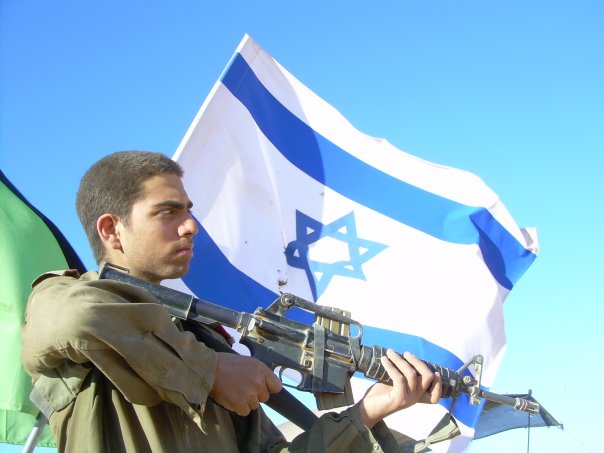

 Posts
Posts


