This year, as you probably know by now, Rosh Hashanah occurs the two days prior to Shabbat. Due to this phenomenon, I will not be able to post my weekly Parsha thought on Thursday or Friday, and am making a dual entry. In many ways, however, this is actually a positive thing; due to the workings of the Jewish calendar system, Parshat Ha'azinu is always in the weeks around Rosh Hashanah. As such, there are many links between the two - one of which I hope to explore in this D'var Torah.
In a much discussed passage in the Talmud, the Gemara in Eiruvin (13b) declares that, "נוח לו לאדם שלא נברא יותר משנברא." Translated (somewhat liberally): "It would have been better for man to have not been created." The reason? The number of 'positive' commandments - those that require action in order to be performed - are outnumbered by 'negative' commandments (which require inactivity and abstinence from specific actions). Therefore, if man had not been created, he would have been able to "fulfill" over half of the Torah's laws just by doing nothing; he would still be able to "perform" all the negative-based commandments.
However, positive commandments have something over negative commandments. Negative commandments merely require inactivity and withdrawal; for example, one who sleeps for the entire duration of Shabbat is considered as having observed Shabbat to some degree, even though s/he didn't consciously do anything in order to commemorate the day. By way of contrast, positive commandments require physical (and often deliberate) actions - it is hard to imagine a circumstance in which they can be performed without explicitly knowing that they are being done.
What does all this mean for us? The result of all this is the rabbinic dictum: עשה דוחה לא תעשה - Positive commandments are given preference over negative ones. If we don't take care to do them, they will never get done. Over and over again in Judaism, we hear of the two opposing forces that are love of God and fear of God. We are taught that we supposed to both love and fear God, but it is very hard to do both in equal measure. Hopefully here we can shed some light on their relationship and learn something useful for this Rosh Hashanah.
The Ramban attempts to demystify the rule mentioned above by explaining that positive commandments stem from the trait of love for God, while negative commandments are a result of fear of G-d. The difference between love and fear is best understood by considering the relationship children experience with their parents. While a child is young, they only know how to fear their parents. Infants and little children never obey their parents out of love; they obey because they know that they must, or else! But as children grow up, they relationship with their parents change completely. They learn to love their parents, as well. But in order to get to that stage, children need to pass through the first stage; they must fear their parents.
So too, we must realise that while love is a very beautiful thing, it needs to have a firm base in reality. It is only when we consider the might and the astonishing, infinite power of God, that we can truly love Him. Without a proper appreciation for God, our love for Him is severely limited. It is clear that the optimal state of affairs for us is to act out of love for God.
With this in mind, we can now return to our relationship with God. It is clear that acting and relating to God with love is very important. But no less important is understanding how important it is for us to treat God with proper respect; for us to realise that His might and power are more than we can ever hope to comprehend. The Torah says at the end of Parshat Ha'azinu:
וַיֹּאמֶר אֲלֵהֶם, שִׂימוּ לְבַבְכֶם, לְכָל-הַדְּבָרִים, אֲשֶׁר אָנֹכִי מֵעִיד בָּכֶם הַיּוֹם: אֲשֶׁר תְּצַוֻּם, אֶת-בְּנֵיכֶם, לִשְׁמֹר לַעֲשׂוֹת, אֶת-כָּל-דִּבְרֵי הַתּוֹרָה הַזֹּאת. כִּי לֹא-דָבָר רֵק הוּא, מִכֶּם--כִּי-הוּא, חַיֵּיכֶם; וּבַדָּבָר הַזֶּה, תַּאֲרִיכוּ יָמִים עַל-הָאֲדָמָה, אֲשֶׁר אַתֶּם עֹבְרִים אֶת-הַיַּרְדֵּן שָׁמָּה, לְרִשְׁתָּהּ. - He said to them: 'Set your hearts upon all the words that I testify against you this day; and with which you may command your children to guard; to do all the words of this law. For it is no vain thing for you; because it is your life, and through this thing you shall prolong your days upon the land; you pass over the Jordan to there, to possess it.' (Deuteronomy 32: 46-47)
Note that the Torah describes our acceptance and observance of Torah law as the essence of our life. We have heard this kind of language before, notably last week, when it is claimed in Parshat Nitzavim, "וּבָחַרְתָּ, בַּחַיִּים--לְמַעַן תִּחְיֶה, אַתָּה וְזַרְעֶךָ. לְאַהֲבָה אֶת-יְהוָה אֱלֹהֶיךָ... - You choose life, that you may live; you and your seed. To love Hashem your God..." (Deuteronomy 30:19-20). Here, the call to chose life is deliberately placed next to the command to love God. Clearly, love for God is very important... but how can we resolve this with the seemingly greater importance attributed to fear of God?
I think that the answer can be drawn from the puzzle posed at the beginning of the D'var Torah. The Talmud concludes that it would have been better for man to have not been created at all. But that was not all that was concluded. Chazal went on to say that seeing as God did see fit to bring mankind into existence, we now are best served by following the rules of the Torah. As such, although we most certainly do need to aspire to the heights of love for Hashem, we must first learn how to fear Him properly. Over Rosh Hashanah, a lot of our energy goes into expressing realisation of our own lowly status. We spend much of our time concentrating on building up our Yirat Shamayim, our fear of God. But we should remember that this is part of a two-step process. God does not want us to act purely out of fear. Then we would be automatons. Instead, over Rosh Hashanah, we are to draw a direct line between these two seemingly competing aspects of our relationship to God. Only by connecting them together can we then achieve the right attitude and relationship.
Adapted from an essay by Rav Elazar Hager.
Wishing you all a very happy Rosh Hashanah and a restful Shabbat.
Wednesday, September 28, 2011


Friday, September 23, 2011
Parshiot Nitzavim and Vayelech / פרשיות נצבים-וילך
ושב ה' אלוקיך את שבותך ורחמך ושב וקבצך מכל העמים אשר הפיצך ה' אלוקיך שמה.
(Deuteronomy 30:6)
In addition to its simple meaning, this pasuk, so the Chafetz Chaim writes, speaks of the Geulah. Here the Torah assures us that the day of redemption will surely come, and we must expect it to arrive at any time. And even though this long-awaited day is perpetually delayed, continues the Chaftez Chaim, we are obliged to wait because it will come.
One of the biggest problems with faith is that all the time we wait in exile, it is very hard to keep on "doing the right thing" without any sign to encourage us. If anything, all we have is discouragement; the once mighty Jewish kingdom might not be destroyed, but it certainly seems to be at the will of its foes. Given our glorious history, it doesn't seem inaccurate to describe the Jewish people as distressed and even disgraced - in such a low, maybe all we can do is hope!
The Rambam, in his seminal work, "Mishnah Torah," calls on the pasuk above when outlining the obligation for each and every Jew to wait and expect Moshiach's arrival. He explains that anyone who doesn't believe in him, or in his imminent coming, is not only going against the words of the jewish prophets, but also against this very verse from the Torah. (Hilchot Malachim 11:1)
I don't want to make this a slur on other religions, (I clearly believe in Judaism and I have no need to knock other people's beliefs, even if I hugely disagree with them,) but I really do like how in Judaism we don't merely cry out "I believe!" in the manner of one who doesn't know quite what he believes in. One of the most famous songs we Jews sings is that of "Ani Ma'amin," and the last few words we sing demonstrate the point I want to make beautifully. We say, "I believe with complete faith in the coming of the Moshiach. And even though he may tarry, I will wait for at any day he will arrive." These last few words are a perfect example of some of the defining qualities needed of a Jew - persistence, tenacity and patience. We don't merely believe, but we await something that will happen; something that we must prepare ourselves for.
The opening words of Parshat Nitzavim, "ואתם נצבים היום," are ones that have been commented on a lot - there is a much to be learned from the idea of the nation of Israel standing together. And yet, at the same time, there are many divisions - Am Yisrael is split into various groups following these words.
It often taught that when the Torah mentions standing, we are to understand that those who are standing are evaluating; taking stock of themselves. I would like to suggest that it is no coincidence that as Parshat Nitzavim always falls in Elul, in close proximity to Rosh Hashanah, that it should be obvious to all of us that at this time of year we engage in a little "Cheshbon Hanefesh" and refine our characters before we stand before Hashem on the Yamim Neraim.
For this reason, מרן רי"ז הלוי points out, we read the words, "כי לישועתך קוינו כל היום" in the Shmonah Esrei. These words translate as "For we have hoped for your redemption all day," which doesn't seem to flow all too well. A more natural choice of words would be to say that "we have hoped for your redemption every day, but the point is made better by expressing how we are constantly waiting.
The Yalkut Lekach Tov mentions a comment by the Chafetz Chaim on another pasuk further along in Parshat Nitzavim. To summarise briefly, the Chafetz Chaim explains that if one were to be approached by an angel and told that his judgement would be a negative one, that person would do all he could to change his ways. So, the Chafetz Chaim continues, why doesn't this person stop of his own accord? This question is one that challenges each and every one of us, and as I mentioned above, is at the essence of what it is to be a Jew. For when a person stops and takes account of himself, he realises that the activities he engages in are all too often pointless and a waste of time. Coming back to the original pasuk, can we truly say that we believe in the Geulah? If we do then we wouldn't just believe - we would wait anxiously, checking ourselves again and again to ensure that we are ready.
From Jerusalem, wishing you a Shabbat Shalom!
(Deuteronomy 30:6)
In addition to its simple meaning, this pasuk, so the Chafetz Chaim writes, speaks of the Geulah. Here the Torah assures us that the day of redemption will surely come, and we must expect it to arrive at any time. And even though this long-awaited day is perpetually delayed, continues the Chaftez Chaim, we are obliged to wait because it will come.
One of the biggest problems with faith is that all the time we wait in exile, it is very hard to keep on "doing the right thing" without any sign to encourage us. If anything, all we have is discouragement; the once mighty Jewish kingdom might not be destroyed, but it certainly seems to be at the will of its foes. Given our glorious history, it doesn't seem inaccurate to describe the Jewish people as distressed and even disgraced - in such a low, maybe all we can do is hope!
The Rambam, in his seminal work, "Mishnah Torah," calls on the pasuk above when outlining the obligation for each and every Jew to wait and expect Moshiach's arrival. He explains that anyone who doesn't believe in him, or in his imminent coming, is not only going against the words of the jewish prophets, but also against this very verse from the Torah. (Hilchot Malachim 11:1)
I don't want to make this a slur on other religions, (I clearly believe in Judaism and I have no need to knock other people's beliefs, even if I hugely disagree with them,) but I really do like how in Judaism we don't merely cry out "I believe!" in the manner of one who doesn't know quite what he believes in. One of the most famous songs we Jews sings is that of "Ani Ma'amin," and the last few words we sing demonstrate the point I want to make beautifully. We say, "I believe with complete faith in the coming of the Moshiach. And even though he may tarry, I will wait for at any day he will arrive." These last few words are a perfect example of some of the defining qualities needed of a Jew - persistence, tenacity and patience. We don't merely believe, but we await something that will happen; something that we must prepare ourselves for.
The opening words of Parshat Nitzavim, "ואתם נצבים היום," are ones that have been commented on a lot - there is a much to be learned from the idea of the nation of Israel standing together. And yet, at the same time, there are many divisions - Am Yisrael is split into various groups following these words.
It often taught that when the Torah mentions standing, we are to understand that those who are standing are evaluating; taking stock of themselves. I would like to suggest that it is no coincidence that as Parshat Nitzavim always falls in Elul, in close proximity to Rosh Hashanah, that it should be obvious to all of us that at this time of year we engage in a little "Cheshbon Hanefesh" and refine our characters before we stand before Hashem on the Yamim Neraim.
For this reason, מרן רי"ז הלוי points out, we read the words, "כי לישועתך קוינו כל היום" in the Shmonah Esrei. These words translate as "For we have hoped for your redemption all day," which doesn't seem to flow all too well. A more natural choice of words would be to say that "we have hoped for your redemption every day, but the point is made better by expressing how we are constantly waiting.
The Yalkut Lekach Tov mentions a comment by the Chafetz Chaim on another pasuk further along in Parshat Nitzavim. To summarise briefly, the Chafetz Chaim explains that if one were to be approached by an angel and told that his judgement would be a negative one, that person would do all he could to change his ways. So, the Chafetz Chaim continues, why doesn't this person stop of his own accord? This question is one that challenges each and every one of us, and as I mentioned above, is at the essence of what it is to be a Jew. For when a person stops and takes account of himself, he realises that the activities he engages in are all too often pointless and a waste of time. Coming back to the original pasuk, can we truly say that we believe in the Geulah? If we do then we wouldn't just believe - we would wait anxiously, checking ourselves again and again to ensure that we are ready.
From Jerusalem, wishing you a Shabbat Shalom!
Tuesday, September 20, 2011
"It's All Netanyahu's Fault," They Say. But Is It Really?
Over the last few weeks and months, a spurious lie has been spreading. Nothing new, perhaps, lies are told the whole time. But this one is a particularly important lie, and it needs quashing with immediate effect.
The lie goes as follows. The Palestinian people want to live in peace. They want to live in peace, alongside Israel. They want to live in peace, alongside Israel, the Jewish state. They want to live in peace, alongside Israel, the Jewish state, but Israeli Prime Minister, Benjamin Netanyahu, is an extremist and prevents them from doing so. Benjamin Netanyahu and his cohorts, the lie goes, are the sole reason why the peace process appears to be dead in the water.
To understand the claim better, we must go back some time. Earlier this year, Wikileaks collaborated with the Guardian to reveal hundreds of secret documents online. The Guardian went through the archives and found an astonishing incident. In an article entitled, "Israel spurned Palestinian offer of 'biggest Yerushalayim in history'", we are told that "Leaked papers reveal [Palestinian] negotiators proposed concessions on East Jerusalem settlements, Sheikh Jarrah and Old City holy sites" and that Palestinian chief negotiator, Saeb Erekat said the following: "It is no secret that … we are offering you the biggest Yerushalayim [the Hebrew word for Jerusalem] in history." The Guardian had a field day with this quote, using it as proof that the Palestinians were ready to make mass concessions. What was not mentioned in the headline, or in the analysis articles, was that Erekat went on to say, "But we must talk about the concept of al-Quds [Jerusalem in Arabic]."
The Guardian is quick to inform us that an "unprecedented offer” was made “on the East Jerusalem settlements”, carefully picking and mixing quotes that painted a story of Palestinian negotiators adopting a conciliatory approach, going so far as to propose "that Israel annex all Jewish settlements in Jerusalem except Har Homa." Put like this, it sounded very much like the Israelis were acting unreasonably, wantonly even.
In the ensuing debacle, Israel was roundly criticised for deliberately missing an opportunity to forge a real, lasting peace with the Palestinians. Had this been the end of the story, I would no doubt have not been writing about Palestinian lies, but about Israeli ones.
But the story does not end there. There is much that the Guardian neglected tell us in its editorials or headlines. For while Israel was indeed offered concessions by Palestinian negotiators, they were rendered obsolete and utterly invalidated when placed in the context of the greater plan put forward. Deep in the article, toward the end, we are told that Israel's negotiator was "recorded as dismissing the offer out of hand because the Palestinians had refused to concede Har Homa, as well as the settlements at Ma'ale Adumim, near Jerusalem, and Ariel, deeper in the West Bank." As this crucial fact was not afforded anywhere near the same level of prominence, Israel's reaction appears totally unreasonable.
Intriguingly, we are told that "Israel's position was fully supported by the Bush administration." Whatever one might say about the Bush administration, is worthy of note that the Israeli position was fully supported. No reservations were expressed. It was clear as day to the Americans that an offer on Jerusalem offset by a situation in which Ma'ale Adumim and Ariel would have to be ceded by the Israelis to Palestinian control was wholly unacceptable.
Not only this, but we might bear in mind recent statements made by Maen Rashid Areikat, the Palestine Liberation Organization's ambassador to the U.S., who said that the future Palestine should be free of Jews. After the firestorm that followed, Areikat then incriminated himself further when reiterating his position to the left-leaning Huffington Post stating that "Israeli soldiers and settlers -- 'persons who are amid an occupation, who are in my land illegally' -- would be rejected from the new Palestinian state." So, not only would Israel have to give Ariel and Ma'ale Adumim over to the Palestinians, but in excess of 56,000 people would be forcibly ejected from their homes and compelled to find a new place to live. Is it any wonder that Israel rejected such a proposition? The peace process is dead in the water, but not for lack of Israel trying. It is dead in the water because the Palestinian leadership has led us so far up a futile and fruitless path that there is nowhere else to turn but to yet more ridiculous measures. By acting like a petulant child, not only is the Palestinian leadership dismissing Israel's concerns and requirements, but it is effectively sabotaging the demands and needs of its own people, too.
For almost two decades now, there has been an implicit understanding that negotiations will take place based on the cease-fire line of 1949 commonly known as the "1967 borders". This line was never intended to constitute a border. How it came to be regarded as sacred has been one of the greatest deceptions of our time. So when President Obama states that Israel will need to find a solution based on this line, this is a massive break with previous agreements and understandings. Instead of focusing on the abominable racial incitement and insidious accusations of land theft being propagated by the Palestinians, a blind eye is turn to such indiscretions and the heat is turned on Israel for having the gall to demand that tens of thousands of people not be uprooted from their homes.
It is revealing that Palestinian President Mahmoud Abbas saw fit to select Latifa Abu Hmeid, the mother of several terrorists involved in multiple attacks on Israeli civilians, to be the ambassador for the Palestinian independence bid. Abbas might be a moderate relative to his predecessor Yassir Arafat, but there can be no doubt that he is absolutely not moderate. In choosing such a person to endorse the bid, we are told everything we need to know about his vision and aspirations.
It would be bad enough if this was an aberration from the norm. But it’s not. Previously, Abbas has overseen the dedication of a town square near Ramallah to another Palestinian national icon, Dalal Al Mughrabi, the terrorist who killed 37 people, including 13 children, after hijacking an Israeli bus in 1979. At least two schools and numerous summer camps are amongst the recipients of having the dubious honour of being named after this murderer. Such are the heroes of the Palestinian people.
Even more disturbingly, you might have missed such enthralling television as this, in which little children are shown dressing up as suicide bombers and clutching mock AK-47 rifles. Similarly, another odious clip depicts a little girl facing the screen telling viewers that Israel “stole” all the land, and “changed the names”. It’s bad enough that the current generation make unreasonable demands of Israel. Much, much worse is that the current generation are being indoctrinated before our eyes, being led to believe that Israel – in its totality – has no right to exist at all.
So. Do the Palestinian people want to live in peace? To be fair, I imagine the answer is that many do. Most people in the world do. But do the Palestinian people want to live peace alongside Israel? Well, no, not if repeated attempts to portray the residents of Tel Aviv, Haifa, west Jerusalem and other internationally undisputed Israel-controlled areas as land thieves and aliens are anything to go by. As long as the entire Jewish state is repeatedly deemed illegal and a travesty of justice, then it follows that the Palestinians are not prepared to accept an Israeli state alongside it. As long as such agitation reigns unchecked, what hope is there for peace?
It would take someone with all the vision of a Cyclops to believe that Netanyahu is responsible for Abbas’s endorsement and glorification of terror and his subsequent refusal to engage in negotiations. Benjamin Netanyahu's fault? Israel wilfully spurning opportunities to make peace? Palestinians forced to a final resort? Hardly. Don’t believe the lie, no matter how many times you hear it.
The lie goes as follows. The Palestinian people want to live in peace. They want to live in peace, alongside Israel. They want to live in peace, alongside Israel, the Jewish state. They want to live in peace, alongside Israel, the Jewish state, but Israeli Prime Minister, Benjamin Netanyahu, is an extremist and prevents them from doing so. Benjamin Netanyahu and his cohorts, the lie goes, are the sole reason why the peace process appears to be dead in the water.
To understand the claim better, we must go back some time. Earlier this year, Wikileaks collaborated with the Guardian to reveal hundreds of secret documents online. The Guardian went through the archives and found an astonishing incident. In an article entitled, "Israel spurned Palestinian offer of 'biggest Yerushalayim in history'", we are told that "Leaked papers reveal [Palestinian] negotiators proposed concessions on East Jerusalem settlements, Sheikh Jarrah and Old City holy sites" and that Palestinian chief negotiator, Saeb Erekat said the following: "It is no secret that … we are offering you the biggest Yerushalayim [the Hebrew word for Jerusalem] in history." The Guardian had a field day with this quote, using it as proof that the Palestinians were ready to make mass concessions. What was not mentioned in the headline, or in the analysis articles, was that Erekat went on to say, "But we must talk about the concept of al-Quds [Jerusalem in Arabic]."
The Guardian is quick to inform us that an "unprecedented offer” was made “on the East Jerusalem settlements”, carefully picking and mixing quotes that painted a story of Palestinian negotiators adopting a conciliatory approach, going so far as to propose "that Israel annex all Jewish settlements in Jerusalem except Har Homa." Put like this, it sounded very much like the Israelis were acting unreasonably, wantonly even.
In the ensuing debacle, Israel was roundly criticised for deliberately missing an opportunity to forge a real, lasting peace with the Palestinians. Had this been the end of the story, I would no doubt have not been writing about Palestinian lies, but about Israeli ones.
But the story does not end there. There is much that the Guardian neglected tell us in its editorials or headlines. For while Israel was indeed offered concessions by Palestinian negotiators, they were rendered obsolete and utterly invalidated when placed in the context of the greater plan put forward. Deep in the article, toward the end, we are told that Israel's negotiator was "recorded as dismissing the offer out of hand because the Palestinians had refused to concede Har Homa, as well as the settlements at Ma'ale Adumim, near Jerusalem, and Ariel, deeper in the West Bank." As this crucial fact was not afforded anywhere near the same level of prominence, Israel's reaction appears totally unreasonable.
Intriguingly, we are told that "Israel's position was fully supported by the Bush administration." Whatever one might say about the Bush administration, is worthy of note that the Israeli position was fully supported. No reservations were expressed. It was clear as day to the Americans that an offer on Jerusalem offset by a situation in which Ma'ale Adumim and Ariel would have to be ceded by the Israelis to Palestinian control was wholly unacceptable.
Not only this, but we might bear in mind recent statements made by Maen Rashid Areikat, the Palestine Liberation Organization's ambassador to the U.S., who said that the future Palestine should be free of Jews. After the firestorm that followed, Areikat then incriminated himself further when reiterating his position to the left-leaning Huffington Post stating that "Israeli soldiers and settlers -- 'persons who are amid an occupation, who are in my land illegally' -- would be rejected from the new Palestinian state." So, not only would Israel have to give Ariel and Ma'ale Adumim over to the Palestinians, but in excess of 56,000 people would be forcibly ejected from their homes and compelled to find a new place to live. Is it any wonder that Israel rejected such a proposition? The peace process is dead in the water, but not for lack of Israel trying. It is dead in the water because the Palestinian leadership has led us so far up a futile and fruitless path that there is nowhere else to turn but to yet more ridiculous measures. By acting like a petulant child, not only is the Palestinian leadership dismissing Israel's concerns and requirements, but it is effectively sabotaging the demands and needs of its own people, too.
For almost two decades now, there has been an implicit understanding that negotiations will take place based on the cease-fire line of 1949 commonly known as the "1967 borders". This line was never intended to constitute a border. How it came to be regarded as sacred has been one of the greatest deceptions of our time. So when President Obama states that Israel will need to find a solution based on this line, this is a massive break with previous agreements and understandings. Instead of focusing on the abominable racial incitement and insidious accusations of land theft being propagated by the Palestinians, a blind eye is turn to such indiscretions and the heat is turned on Israel for having the gall to demand that tens of thousands of people not be uprooted from their homes.
It is revealing that Palestinian President Mahmoud Abbas saw fit to select Latifa Abu Hmeid, the mother of several terrorists involved in multiple attacks on Israeli civilians, to be the ambassador for the Palestinian independence bid. Abbas might be a moderate relative to his predecessor Yassir Arafat, but there can be no doubt that he is absolutely not moderate. In choosing such a person to endorse the bid, we are told everything we need to know about his vision and aspirations.
It would be bad enough if this was an aberration from the norm. But it’s not. Previously, Abbas has overseen the dedication of a town square near Ramallah to another Palestinian national icon, Dalal Al Mughrabi, the terrorist who killed 37 people, including 13 children, after hijacking an Israeli bus in 1979. At least two schools and numerous summer camps are amongst the recipients of having the dubious honour of being named after this murderer. Such are the heroes of the Palestinian people.
Even more disturbingly, you might have missed such enthralling television as this, in which little children are shown dressing up as suicide bombers and clutching mock AK-47 rifles. Similarly, another odious clip depicts a little girl facing the screen telling viewers that Israel “stole” all the land, and “changed the names”. It’s bad enough that the current generation make unreasonable demands of Israel. Much, much worse is that the current generation are being indoctrinated before our eyes, being led to believe that Israel – in its totality – has no right to exist at all.
So. Do the Palestinian people want to live in peace? To be fair, I imagine the answer is that many do. Most people in the world do. But do the Palestinian people want to live peace alongside Israel? Well, no, not if repeated attempts to portray the residents of Tel Aviv, Haifa, west Jerusalem and other internationally undisputed Israel-controlled areas as land thieves and aliens are anything to go by. As long as the entire Jewish state is repeatedly deemed illegal and a travesty of justice, then it follows that the Palestinians are not prepared to accept an Israeli state alongside it. As long as such agitation reigns unchecked, what hope is there for peace?
It would take someone with all the vision of a Cyclops to believe that Netanyahu is responsible for Abbas’s endorsement and glorification of terror and his subsequent refusal to engage in negotiations. Benjamin Netanyahu's fault? Israel wilfully spurning opportunities to make peace? Palestinians forced to a final resort? Hardly. Don’t believe the lie, no matter how many times you hear it.
Friday, September 16, 2011
Parshat Ki Tavo - פרשת כי תבוא
"וענית ואמרת לפני ה' אלקיך ארמי אבד אבי וירד מצרימה / And you shall respond and say before Hashem your God, 'An Aramean [tried to] destroy my [fore]father and he went down into Egypt..."
(דברים כו:ה)
At the beginning of this week's Parsha, we read of the mitzva of Bikkurim. The Torah explains that one who settles the land of Israel and grows one of the "Shivat haMinim" is obligated to take a ribbon around the first fruit that grows from the land, mark it off as property of the Bet Hamikdash, and once the fruit has ripened fully, the person is to take this fruit to Jerusalem and hand it over to a Kohen.
Part of the process of giving Bikkurim over to the Kohen is a statement, which opens above. At first, the choice of the opening few lines seems rather surprising; what has the old story of Am Yisrael's descent into Egypt got to do with the bringing of fruit to the Bet Hamikdash?
To understand our situation better, we have to examine Jewish behaviour during the Egyptian exile. Famously, we learn that B'nei Yisrael were on the forty-ninth level of impurity and were only moments away from descending into the 50th level; a level from which there could be no return. There can be no doubt about it - Am Yisrael were in a very bad place.
Or can we doubt that? For Am Yisrael warranted to be saved by Hashem on the premise that they insulated themselves from Egyptian society, and Shmot Rabbah (א:א) says that "they were redeemed because they did not change their names, their language and their dress." So now it would seem that Am Yisrael were very careful to protect their religion and culture and did not integrate and assimilate into a foreign society. How can resolve this apparent contradiction?
The Netivot Shalom on Parshat Ki Teitze explains that these Jews were actually almost completely cut off from Hashem. These Jews constantly indulged themselves in pleasures and desires that were not expressly disallowed by Torah law. So needy of material pleasure, these people were indeed culturally assimilated and had started to believe in the Egyptian way of life. Because these Jews maintained their outer appearances but indulged themselves in whatever was technically permissible, their connection with Hashem was almost entirely lacking.
Rabbi Eliyahu Hoffman of Project Genesis suggests that maybe the reason why we read this passage when we bring Bikkurim is to do with the concept of "קדש עצמך במותר לך" (Sanctify yourself with that which is permissible to you). The generation that lived in the Egyptian exile didn't actually break any laws, but certainly weren't too eager too apply the concept of being holy in that which is permissible. Fast forward to the person standing before the Kohen with Bikkurim in his hand, and we may now understand why it is appropriate for him to make reference to his forebears in Egypt. Whereas they fulfilled their obligations to a minimal extent, the Jew who brings Bikurrim is eager to subjugate his pride and ego before God.
Later in the Parsha, a long list of punishments is attached to the statement, "תחת אשר לא עבדת את ה' אלוקיך בשמחה / Because you did not serve Hashem your God with joy." The Torah is very clear that the measurement of real observance of it's laws is when a Jew confirms his actions with desire. Whereas food is something that Jews are permitted to grow and eat, the Jew who brings Bikkurim is careful not to give in to his desires and controls his behaviour in the right way and before eating first makes sure to take the Reishit to Hashem.
Wishing you a Shabbat Shalom!
(דברים כו:ה)
At the beginning of this week's Parsha, we read of the mitzva of Bikkurim. The Torah explains that one who settles the land of Israel and grows one of the "Shivat haMinim" is obligated to take a ribbon around the first fruit that grows from the land, mark it off as property of the Bet Hamikdash, and once the fruit has ripened fully, the person is to take this fruit to Jerusalem and hand it over to a Kohen.
Part of the process of giving Bikkurim over to the Kohen is a statement, which opens above. At first, the choice of the opening few lines seems rather surprising; what has the old story of Am Yisrael's descent into Egypt got to do with the bringing of fruit to the Bet Hamikdash?
To understand our situation better, we have to examine Jewish behaviour during the Egyptian exile. Famously, we learn that B'nei Yisrael were on the forty-ninth level of impurity and were only moments away from descending into the 50th level; a level from which there could be no return. There can be no doubt about it - Am Yisrael were in a very bad place.
Or can we doubt that? For Am Yisrael warranted to be saved by Hashem on the premise that they insulated themselves from Egyptian society, and Shmot Rabbah (א:א) says that "they were redeemed because they did not change their names, their language and their dress." So now it would seem that Am Yisrael were very careful to protect their religion and culture and did not integrate and assimilate into a foreign society. How can resolve this apparent contradiction?
The Netivot Shalom on Parshat Ki Teitze explains that these Jews were actually almost completely cut off from Hashem. These Jews constantly indulged themselves in pleasures and desires that were not expressly disallowed by Torah law. So needy of material pleasure, these people were indeed culturally assimilated and had started to believe in the Egyptian way of life. Because these Jews maintained their outer appearances but indulged themselves in whatever was technically permissible, their connection with Hashem was almost entirely lacking.
Rabbi Eliyahu Hoffman of Project Genesis suggests that maybe the reason why we read this passage when we bring Bikkurim is to do with the concept of "קדש עצמך במותר לך" (Sanctify yourself with that which is permissible to you). The generation that lived in the Egyptian exile didn't actually break any laws, but certainly weren't too eager too apply the concept of being holy in that which is permissible. Fast forward to the person standing before the Kohen with Bikkurim in his hand, and we may now understand why it is appropriate for him to make reference to his forebears in Egypt. Whereas they fulfilled their obligations to a minimal extent, the Jew who brings Bikurrim is eager to subjugate his pride and ego before God.
Later in the Parsha, a long list of punishments is attached to the statement, "תחת אשר לא עבדת את ה' אלוקיך בשמחה / Because you did not serve Hashem your God with joy." The Torah is very clear that the measurement of real observance of it's laws is when a Jew confirms his actions with desire. Whereas food is something that Jews are permitted to grow and eat, the Jew who brings Bikkurim is careful not to give in to his desires and controls his behaviour in the right way and before eating first makes sure to take the Reishit to Hashem.
Wishing you a Shabbat Shalom!
Friday, September 09, 2011
Parshat Ki Tetzei - פרשת כי תצא
"כִּי-יִהְיֶה לְאִישׁ, בֵּן סוֹרֵר וּמוֹרֶה-אֵינֶנּוּ שֹׁמֵעַ, בְּקוֹל אָבִיו וּבְקוֹל אִמּוֹ; וְיִסְּרוּ אֹתוֹ, וְלֹא יִשְׁמַע אֲלֵיהֶם. If a man have a stubborn and rebellious son, that will not hearken to the voice of his father, or the voice of his mother, and though they chasten him, will not hearken unto them" (Deuteronomy 21:18).
In this week's parsha, we read of the strange episode of the ben sorer u'moreh. Although there never was a case in reality that fulfilled the exact conditions in order for a child to be classified as such, there are still many lessons which we may learn. I'd like to share a fascinating insight I read by the Ba'al Haturim.
Two P'sukim after the one above, we read of how the the parents go to the city elders to declare their son a Ben Sorer u'Moreh: "וְאָמְרוּ אֶל זִקְנֵי עִירוֹ בְּנֵנוּ זֶה סוֹרֵר וּמֹרֶה אֵינֶנּוּ שֹׁמֵעַ בְּקֹלֵנוּ זוֹלֵל וְסֹבֵא / And they shall say to the elders of his city, 'This our son is stubborn and rebellious, he does not hearken to our voice; he is a glutton and a drunkard.'"
The Ba'al HaTurim notes two discrepancies in this Pasuk. Firstly, there is a yud missing in the word בְּנֵנוּ, and then the word וּמֹרֶה is missing a letter too; this time a vav.
Fortunately for us, we receive a good explanation as to why these words are spelled as they are. In the first case, the missing yud in the word בְּנֵנוּ, our son, is a deliberate reference to the Aseret Hadibrot, the Ten Commandments. The Ba'al HaTurim briefly explains that that this son was wayward to the extent that he didn't care about the most basic tenets of Judaism, wayward to the extent that he even disregarded the ten commandments.
The next missing letter, the (missing) vav in the word מרה, stubborn, is explained as a reference to the bitter end of this situation. The word מרה in Hebrew means bitter. By dropping the vav, the Torah hints that this stubborn and gluttonous boy will only experience bitterness.
If we break up the verse and digest it in pieces, we see that the son doesn't listen to "the voice of his father". Then, separately, his mother's voice is mentioned: "and the voice of his mother." The pasuk uses discrete clauses for each of the parents, and only groups them together when the son hears them speaking in unison. And the one thing that the parents agree upon is negative, as it says "they turned him away."
It is very clear that the lesson to be grasped here is that parents must always act as a unit, and not just when it comes to condemning a child. A child who hears disparate voices from his parents hardly has a chance at growing up to become a decent person, something for which we cannot blame him or her. The real lesson of the episode, it would seem, is to show us just how much responsibility we have for one another, and for each others' actions.
Wishing you a שבת שלום ומבורך from Yerushalayim Ir Hakodesh.
In this week's parsha, we read of the strange episode of the ben sorer u'moreh. Although there never was a case in reality that fulfilled the exact conditions in order for a child to be classified as such, there are still many lessons which we may learn. I'd like to share a fascinating insight I read by the Ba'al Haturim.
Two P'sukim after the one above, we read of how the the parents go to the city elders to declare their son a Ben Sorer u'Moreh: "וְאָמְרוּ אֶל זִקְנֵי עִירוֹ בְּנֵנוּ זֶה סוֹרֵר וּמֹרֶה אֵינֶנּוּ שֹׁמֵעַ בְּקֹלֵנוּ זוֹלֵל וְסֹבֵא / And they shall say to the elders of his city, 'This our son is stubborn and rebellious, he does not hearken to our voice; he is a glutton and a drunkard.'"
The Ba'al HaTurim notes two discrepancies in this Pasuk. Firstly, there is a yud missing in the word בְּנֵנוּ, and then the word וּמֹרֶה is missing a letter too; this time a vav.
Fortunately for us, we receive a good explanation as to why these words are spelled as they are. In the first case, the missing yud in the word בְּנֵנוּ, our son, is a deliberate reference to the Aseret Hadibrot, the Ten Commandments. The Ba'al HaTurim briefly explains that that this son was wayward to the extent that he didn't care about the most basic tenets of Judaism, wayward to the extent that he even disregarded the ten commandments.
The next missing letter, the (missing) vav in the word מרה, stubborn, is explained as a reference to the bitter end of this situation. The word מרה in Hebrew means bitter. By dropping the vav, the Torah hints that this stubborn and gluttonous boy will only experience bitterness.
If we break up the verse and digest it in pieces, we see that the son doesn't listen to "the voice of his father". Then, separately, his mother's voice is mentioned: "and the voice of his mother." The pasuk uses discrete clauses for each of the parents, and only groups them together when the son hears them speaking in unison. And the one thing that the parents agree upon is negative, as it says "they turned him away."
It is very clear that the lesson to be grasped here is that parents must always act as a unit, and not just when it comes to condemning a child. A child who hears disparate voices from his parents hardly has a chance at growing up to become a decent person, something for which we cannot blame him or her. The real lesson of the episode, it would seem, is to show us just how much responsibility we have for one another, and for each others' actions.
Wishing you a שבת שלום ומבורך from Yerushalayim Ir Hakodesh.
Friday, September 02, 2011
Parshat Shoftim - פרשת שופטים
"...ואמר אלהם שמע ישראל אתם קרבים היום למלחמה על-איביכם"
(דברים, כ: ג)
One of the many things set out in Parshat Shoftim are the rules of war. Famously later we learn that a Jewish army is not permitted to destroy trees, although this is normal military behaviour, and we also learn that a man who desires a captive woman must adhere to a strict set of rules before he may take her as a partner.
Here, at the beginning of this particluar chapter, we learn that Am Yisrael are instructed to gather and listen to the words of the Kohen Gadol, who served to act as the Army's Chief of Staff and prepared the warrior for battle. In "Ma'ayanah shel HaTorah" a small paragraph attributed to "Sefarim" points out that the word Sh'ma, (hear,) is crucial. As I have mentioned in my Divrei Torah a number of times, when the Hebrew word for hearing is used, it also means something that is accepted. Another aspect of hearing is that it is intriniscally linked to collecting. You might ask yourself at this point what do listening and collecting have to do with one another, so I'll try to pass over something I've learned about the faculty of hearing.
When a person sees something, he sees the entire entity at once, and there can be no doubt as to what it is that the person is perceiving. But when that person hears something, they only hear that thing in stages; a piece at a time. If we take music for an example, one never hears a song, but rather hears a note at a time. If you ask someone to pick their favourite song and then ask them whether they like an individual note, they'll look at you as if you're mad - a person likes the song as an entity - not for it's constituent parts! Similarly, when one listens to another person talking, one only hears one word at a time, and by the time one hears one word, the previous word is only a memory. Hearing, by its very definition, is a process of memory, collection, and most importantly, unification.
It is no coincidence that "Sh'ma" is the opening word used in the most famous sentence in Judaism, for when we talk of oneness, of achdut, we talk of listening and bring back together that which is seemingly separate. And here too, when the nation of Israel enters into a war, all the constituent parts must come together, else failure beckons (God forbid).
Wishing you a Shabbat Shalom!
(דברים, כ: ג)
One of the many things set out in Parshat Shoftim are the rules of war. Famously later we learn that a Jewish army is not permitted to destroy trees, although this is normal military behaviour, and we also learn that a man who desires a captive woman must adhere to a strict set of rules before he may take her as a partner.
Here, at the beginning of this particluar chapter, we learn that Am Yisrael are instructed to gather and listen to the words of the Kohen Gadol, who served to act as the Army's Chief of Staff and prepared the warrior for battle. In "Ma'ayanah shel HaTorah" a small paragraph attributed to "Sefarim" points out that the word Sh'ma, (hear,) is crucial. As I have mentioned in my Divrei Torah a number of times, when the Hebrew word for hearing is used, it also means something that is accepted. Another aspect of hearing is that it is intriniscally linked to collecting. You might ask yourself at this point what do listening and collecting have to do with one another, so I'll try to pass over something I've learned about the faculty of hearing.
When a person sees something, he sees the entire entity at once, and there can be no doubt as to what it is that the person is perceiving. But when that person hears something, they only hear that thing in stages; a piece at a time. If we take music for an example, one never hears a song, but rather hears a note at a time. If you ask someone to pick their favourite song and then ask them whether they like an individual note, they'll look at you as if you're mad - a person likes the song as an entity - not for it's constituent parts! Similarly, when one listens to another person talking, one only hears one word at a time, and by the time one hears one word, the previous word is only a memory. Hearing, by its very definition, is a process of memory, collection, and most importantly, unification.
It is no coincidence that "Sh'ma" is the opening word used in the most famous sentence in Judaism, for when we talk of oneness, of achdut, we talk of listening and bring back together that which is seemingly separate. And here too, when the nation of Israel enters into a war, all the constituent parts must come together, else failure beckons (God forbid).
Wishing you a Shabbat Shalom!
Friday, August 26, 2011
Parshat Re'eh - פרשת ראה
The name of our Torah portion is Re'eh, which means, "See." After the Jewish People entered the Land of Israel, the first place that they stopped at was the City of Shechem. Moshe commands the twelve tribes to split up and stand on two adjacent mountains, הר גריזים and הר עיבל, Mount Grizim and Mount Eval, where the Kohanim and Levi'im would express God's blessing to the Jewish people for fulfilling the Torah, and God's curse if they would not and instead sin.
These mountains, adjacent to each other, are unique. Mount Grizim is alive with foliage and vegetation, while Mount Eval is bleak and desolate. (These mountains can be seen today outside the city of Shechem/Nablus.) Six tribes were commanded to ascend Mount Grizim, to the south of Shechem to receive the blessing, and the remaining six tribes were commanded to ascend Mount Eval, to the north of Shechem to receive the curse.
The blessing and curse are visually apparent on the mountains themselves. Mount Grizim, the mountain of blessing, is green and verdant. Mount Eval, on the other hand, is barren and accursed.
Rabbi Hirsch explains the symbolism of these mountains. Although both mountains have the same sunlight, rainfall, and fertility, one is verdant and the second is bare. In Kabbalah, we learn that these two mountains represent two eyes. Mount Grizim represents the right eye of wisdom, from which emanates pure blessing. Mount Eval represents the left eye of understanding, from which judgments, even severe judgments, may manifest.
This symbolizes the concept of free will that our Parsha begins with: "Behold, I have placed before you today the blessing and the curse." (Deut. 11:26) It is possible for two people to have the same exact potential, while one thrives and the other withers. We all must choose the path of blessing or curse, and what we sow is what we reap.
The fact that six tribes stood on Mount Eval means that there was a positive element to the curse. In Hebrew, the word for "curse" is klalah (kuf, lamed, lamed, hei). The root of the Hebrew word for curse, קללה - klalah is kalal - קלל (kuf, lamed, lamed) which means "brilliant, shining light," as in the term nechoshet kalal, "brilliant copper."
Thus, explains Rav Hirsch, while it may seem an expression of complete darkness, a curse is actually brilliant, shining light at its source. This brilliance can be blinding, making it impossible for us to understand and incorporate it into our consciousness. We all know the feeling when we get punished for something that we would have preferred to get away with. While we recognise the truth, that we ought to have followed the rules, we don't easily accept the logic of the punishment. In Torah law, though, there is a slight difference - the punishment is designed by Hashem to affect our lives for the better.
In fact, even though a curse is the result of transgression, it is not really a punishment or an expression of Divine revenge, God forbid. Rather, the curse that we talk about comes from a very high source. Rather than being an instrument of retribution, its purpose is to rectify the faults of those who have transgressed and allow us all to lead better lives.
Wishing you a beautiful שבת שלום
These mountains, adjacent to each other, are unique. Mount Grizim is alive with foliage and vegetation, while Mount Eval is bleak and desolate. (These mountains can be seen today outside the city of Shechem/Nablus.) Six tribes were commanded to ascend Mount Grizim, to the south of Shechem to receive the blessing, and the remaining six tribes were commanded to ascend Mount Eval, to the north of Shechem to receive the curse.
The blessing and curse are visually apparent on the mountains themselves. Mount Grizim, the mountain of blessing, is green and verdant. Mount Eval, on the other hand, is barren and accursed.
Rabbi Hirsch explains the symbolism of these mountains. Although both mountains have the same sunlight, rainfall, and fertility, one is verdant and the second is bare. In Kabbalah, we learn that these two mountains represent two eyes. Mount Grizim represents the right eye of wisdom, from which emanates pure blessing. Mount Eval represents the left eye of understanding, from which judgments, even severe judgments, may manifest.
This symbolizes the concept of free will that our Parsha begins with: "Behold, I have placed before you today the blessing and the curse." (Deut. 11:26) It is possible for two people to have the same exact potential, while one thrives and the other withers. We all must choose the path of blessing or curse, and what we sow is what we reap.
The fact that six tribes stood on Mount Eval means that there was a positive element to the curse. In Hebrew, the word for "curse" is klalah (kuf, lamed, lamed, hei). The root of the Hebrew word for curse, קללה - klalah is kalal - קלל (kuf, lamed, lamed) which means "brilliant, shining light," as in the term nechoshet kalal, "brilliant copper."
Thus, explains Rav Hirsch, while it may seem an expression of complete darkness, a curse is actually brilliant, shining light at its source. This brilliance can be blinding, making it impossible for us to understand and incorporate it into our consciousness. We all know the feeling when we get punished for something that we would have preferred to get away with. While we recognise the truth, that we ought to have followed the rules, we don't easily accept the logic of the punishment. In Torah law, though, there is a slight difference - the punishment is designed by Hashem to affect our lives for the better.
In fact, even though a curse is the result of transgression, it is not really a punishment or an expression of Divine revenge, God forbid. Rather, the curse that we talk about comes from a very high source. Rather than being an instrument of retribution, its purpose is to rectify the faults of those who have transgressed and allow us all to lead better lives.
Wishing you a beautiful שבת שלום
Friday, August 19, 2011
A letter I wrote to the British media...
Sir,
As a Londoner who has made his home in Jerusalem, I write to you with a tear in my eye. Yesterday's dreadful attack on Israeli citizens was not the first, nor will likely be the last, in a long chain.
September draws closer and the possibility of a Palestinian state becomes imminent, it is pertinent for us to ask ourselves whether the Palestinian leadership truly desire to live in peace with their Israeli neighbours. For all the talk of the evil of the occupation, Israelis have no assurances that the Palestinians seek to root out terrorism. Palestinian President Mahmoud Abbas might sound moderate, but scratch the surface and we see that terrorism is still glorified in the Territories. Just last year, Abbas dedicated a town square in the memory of Dalal Al-Mughrabi, a terrorist who hijacked a bus and murdered 37 Israelis in cold blood in 1978. Two summer camps also have the dubious honour of being named after this woman. It is evident that the Palestinian leadership is not interested in peaceful relations with Israel. Peace will only come when the Palestinians demonstrate their commitment to bring to justice and cease raising their children in an atmosphere of hate. Why is the Palestinian government not being pressured more to stop this wicked incitement? And why is Israel expected to allow a state characterised by such evil to arise?
Yours sincerely,
Elan Miller
Jerusalem
As a Londoner who has made his home in Jerusalem, I write to you with a tear in my eye. Yesterday's dreadful attack on Israeli citizens was not the first, nor will likely be the last, in a long chain.
September draws closer and the possibility of a Palestinian state becomes imminent, it is pertinent for us to ask ourselves whether the Palestinian leadership truly desire to live in peace with their Israeli neighbours. For all the talk of the evil of the occupation, Israelis have no assurances that the Palestinians seek to root out terrorism. Palestinian President Mahmoud Abbas might sound moderate, but scratch the surface and we see that terrorism is still glorified in the Territories. Just last year, Abbas dedicated a town square in the memory of Dalal Al-Mughrabi, a terrorist who hijacked a bus and murdered 37 Israelis in cold blood in 1978. Two summer camps also have the dubious honour of being named after this woman. It is evident that the Palestinian leadership is not interested in peaceful relations with Israel. Peace will only come when the Palestinians demonstrate their commitment to bring to justice and cease raising their children in an atmosphere of hate. Why is the Palestinian government not being pressured more to stop this wicked incitement? And why is Israel expected to allow a state characterised by such evil to arise?
Yours sincerely,
Elan Miller
Jerusalem
Parshat Ekev - פרשת עקב
" הִשָּׁמֶר לְךָ, פֶּן תִּשְׁכַּח אֶת יְהוָה אֱלֹהֶיךָ, לְבִלְתִּי שְׁמֹר מִצְוֹתָיו וּמִשְׁפָּטָיו וְחֻקֹּתָיו, אֲשֶׁר אָנֹכִי מְצַוְּךָ הַיּוֹם. - Beware lest you forget Hashem your God, in not keeping His commandments, and His ordinances, and His statutes, that I command you this day."
(דברים ח:יא)
Parshat Ekev is a parsha that is full of mitzvot. One particular one interests us in this Dvar Torah. The verses preceding the quote above detail the commandment to remember the 40 years the Jews sent wandering in the desert. In that time, we were sent the Mon (Manna when rendered in English for some odd reason) - a heaven sent food substitute that was pure spiritual nourishment. The verses there explain that it was food " אֲשֶׁר לֹא יָדַעְתָּ, וְלֹא יָדְעוּן אֲבֹתֶיךָ - that you did not know, and your forefathers did not know" (i.e. it was totally foreign and bizarre to us) so that we would learn to rely on Hashem and so that we would appreciate our place and role in this world better. Indeed, the narrative goes on to explain "לְמַעַן הוֹדִיעֲךָ, כִּי לֹא עַל הַלֶּחֶם לְבַדּוֹ יִחְיֶה הָאָדָם, כִּי עַל כָּל-מוֹצָא פִי יְהוָה, יִחְיֶה הָאָדָם - In order to let you know; that man does not live by bread alone, but by every thing that issues from Hashem's mouth man lives."
Rav Shimshon Rephael Hirsch writes in his commentary here that there was a reason why bread specifically is mentioned. At first, we might find it odd that that bread is mentioned - bread is a kind of food that requires man's input for it to be completed. One doesn't eat wheat by itself, as it is found in nature. For bread to be eaten, man must work on the wheat. With this in mind, we may understand the reason that bread is mentioned. Almost all people appreciate the wonders of the natural world. Anyone who picks an apple from a tree and eats it will agree with you that it is amazing that something so tasty can be found growing naturally. But a person who works hard on bread might be forgiven for thinking that he is at least an equal partner in the process of creating the food.
For this reason, close to this passage we find the verse quoted above - warning us not to forget Hashem and our responsibilities. There are plenty of commandments in this week's Parsha, but this specific passage merits the warning above. Why is that? Well, Rav Hirsch explains that if we look at the verse closely, we can see three categories מצוות (commandments), משפטים (laws) and חוקים (statutes). Now, traditionally we regard the latter two as more severe categories of obligations toward Hashem. That being the case, there must be a good reason as to why מצותיו (His commandments) is listed first. Rav Hirsch posits the explanation that this category deals with the things that we derive enjoyment from in this world. Bread, and food as a general, is something that Hashem gave us to enjoy. It is a strong Jewish belief that everything in this world is created for man to make use of or benefit from.
The problem is, we are only human and susceptible to momentary lapses of appreciation of this fine gift. As such, Hashem makes a point of stressing that while we are to derive benefit from all "that issues from Hashem's mouth", we must be careful to never become lax and take for granted what we have in this world.
Wishing you a Shabbat Shalom :)
(דברים ח:יא)
Parshat Ekev is a parsha that is full of mitzvot. One particular one interests us in this Dvar Torah. The verses preceding the quote above detail the commandment to remember the 40 years the Jews sent wandering in the desert. In that time, we were sent the Mon (Manna when rendered in English for some odd reason) - a heaven sent food substitute that was pure spiritual nourishment. The verses there explain that it was food " אֲשֶׁר לֹא יָדַעְתָּ, וְלֹא יָדְעוּן אֲבֹתֶיךָ - that you did not know, and your forefathers did not know" (i.e. it was totally foreign and bizarre to us) so that we would learn to rely on Hashem and so that we would appreciate our place and role in this world better. Indeed, the narrative goes on to explain "לְמַעַן הוֹדִיעֲךָ, כִּי לֹא עַל הַלֶּחֶם לְבַדּוֹ יִחְיֶה הָאָדָם, כִּי עַל כָּל-מוֹצָא פִי יְהוָה, יִחְיֶה הָאָדָם - In order to let you know; that man does not live by bread alone, but by every thing that issues from Hashem's mouth man lives."
Rav Shimshon Rephael Hirsch writes in his commentary here that there was a reason why bread specifically is mentioned. At first, we might find it odd that that bread is mentioned - bread is a kind of food that requires man's input for it to be completed. One doesn't eat wheat by itself, as it is found in nature. For bread to be eaten, man must work on the wheat. With this in mind, we may understand the reason that bread is mentioned. Almost all people appreciate the wonders of the natural world. Anyone who picks an apple from a tree and eats it will agree with you that it is amazing that something so tasty can be found growing naturally. But a person who works hard on bread might be forgiven for thinking that he is at least an equal partner in the process of creating the food.
For this reason, close to this passage we find the verse quoted above - warning us not to forget Hashem and our responsibilities. There are plenty of commandments in this week's Parsha, but this specific passage merits the warning above. Why is that? Well, Rav Hirsch explains that if we look at the verse closely, we can see three categories מצוות (commandments), משפטים (laws) and חוקים (statutes). Now, traditionally we regard the latter two as more severe categories of obligations toward Hashem. That being the case, there must be a good reason as to why מצותיו (His commandments) is listed first. Rav Hirsch posits the explanation that this category deals with the things that we derive enjoyment from in this world. Bread, and food as a general, is something that Hashem gave us to enjoy. It is a strong Jewish belief that everything in this world is created for man to make use of or benefit from.
The problem is, we are only human and susceptible to momentary lapses of appreciation of this fine gift. As such, Hashem makes a point of stressing that while we are to derive benefit from all "that issues from Hashem's mouth", we must be careful to never become lax and take for granted what we have in this world.
Wishing you a Shabbat Shalom :)
Friday, August 12, 2011
Parshat V'etchanan - פרשת ואתחנן
"ואתם הדביקים ביהוה אלוהיכם חיים כלכם היום / And you who cling to Hashem your God, are living today"
(דברים, ד:ד)
Continuing from last week's high octane start to the book of Devarim, the parsha this week, V'etchanan, is jam-packed full of events, ranging from Moshe's request to enter Eretz Yisrael to the recounting of the Ten Commandments through part of the text we recite daily in Kriyat Sh'ma.
The focus of this D'var Torah, however, is on the last Pasuk of the Levi's Aliyah in Rishon, quoted above. The pasuk is one well-known; each time we read from the Torah, it is recited by the entire congregation as a confirmation of how much the Torah means to us.
The passage is straightforward and can be easily understood without extra explanation, but the Degel Machane Efraim makes an interesting comment on these words that helps reveal something that we would not notice otherwise. He points out that it is well-documented in Jewish texts that three paragraphs of the Shm'a cumulatively comprise 248 words. We learn that these 248 words correspond to the 248 limbs of the human body, and we believe that each word gives strength and vitality to a specific limb. Thus we believe that reading the Sh'ma helps sustain a Jew in this world.
There's a problem though, namely that the 248th word, אמת (Emet - truth), isn't part of the text of Sh'ma as it's found in the Torah. This word is actually part of the next paragraph. By joining the two paragraphs together and repeating the two words preceding it, we gain this 248th word. But this solution doesn't seem to be very tidy. Why should we connect the two paragraphs together?
Fortunately, the Degel Machane Efraim resolves the matter with a neat suggestion. The text here reads: "And you who cling to Hashem your God, are living today" but if we look closely, we may see that the word אתם (Atem - you) shares the same letters as another Hebrew word - אמת. These two words are connected.
Furthermore, when the text says הדביקים (which means clinging/adhering), we may read it literally as an instruction for us to 'stick' something to something else. The insinuation as for us to attach the word אמת (Emet) to the paragraph that precedes it. And what will happen if we are to do this? Simple - the verse continues to bless Israel with life, "חיים כלכם היום - and you are living today" It is my wish that with our prayers, we may realise both our own inner capabilities and be able to make use of all the faculties of our bodies to realise them. Similarly, may we all be blesssed to really live life and grasp the truth of this world.
Wishing you a Shabbat Shalom.
(דברים, ד:ד)
Continuing from last week's high octane start to the book of Devarim, the parsha this week, V'etchanan, is jam-packed full of events, ranging from Moshe's request to enter Eretz Yisrael to the recounting of the Ten Commandments through part of the text we recite daily in Kriyat Sh'ma.
The focus of this D'var Torah, however, is on the last Pasuk of the Levi's Aliyah in Rishon, quoted above. The pasuk is one well-known; each time we read from the Torah, it is recited by the entire congregation as a confirmation of how much the Torah means to us.
The passage is straightforward and can be easily understood without extra explanation, but the Degel Machane Efraim makes an interesting comment on these words that helps reveal something that we would not notice otherwise. He points out that it is well-documented in Jewish texts that three paragraphs of the Shm'a cumulatively comprise 248 words. We learn that these 248 words correspond to the 248 limbs of the human body, and we believe that each word gives strength and vitality to a specific limb. Thus we believe that reading the Sh'ma helps sustain a Jew in this world.
There's a problem though, namely that the 248th word, אמת (Emet - truth), isn't part of the text of Sh'ma as it's found in the Torah. This word is actually part of the next paragraph. By joining the two paragraphs together and repeating the two words preceding it, we gain this 248th word. But this solution doesn't seem to be very tidy. Why should we connect the two paragraphs together?
Fortunately, the Degel Machane Efraim resolves the matter with a neat suggestion. The text here reads: "And you who cling to Hashem your God, are living today" but if we look closely, we may see that the word אתם (Atem - you) shares the same letters as another Hebrew word - אמת. These two words are connected.
Furthermore, when the text says הדביקים (which means clinging/adhering), we may read it literally as an instruction for us to 'stick' something to something else. The insinuation as for us to attach the word אמת (Emet) to the paragraph that precedes it. And what will happen if we are to do this? Simple - the verse continues to bless Israel with life, "חיים כלכם היום - and you are living today" It is my wish that with our prayers, we may realise both our own inner capabilities and be able to make use of all the faculties of our bodies to realise them. Similarly, may we all be blesssed to really live life and grasp the truth of this world.
Wishing you a Shabbat Shalom.
Friday, August 05, 2011
Parshat Devarim - פרשת דברים
רְאֵה נָתַתִּי לִפְנֵיכֶם, אֶת-הָאָרֶץ; בֹּאוּ, וּרְשׁוּ אֶת-הָאָרֶץ, אֲשֶׁר נִשְׁבַּע יְהוָה לַאֲבֹתֵיכֶם לְאַבְרָהָם לְיִצְחָק וּלְיַעֲקֹב לָתֵת לָהֶם, וּלְזַרְעָם אַחֲרֵיהֶם. – Behold, I have set the land before you: go in and inherit the land which Hashem swore to your fathers, to Abraham, to Isaac, and to Jacob, to give unto them and to their seed after them.'
(דברים א:ח)
One of the principal beliefs in Judaism is that there is nothing in this world that can stop a person who really wants something; "אין דבר העומד בפני הרצון - There's nothing that can stand before one's will."
As Jews, we believe in a all-powerful God, One who is Master of the entire universe and who can turn anything to His will. We believe that if we can tune ourself in to this spiritual energy, we may access huge amounts of power. Given this belief, we may in turn better understand some of the events to occur in Jewish history; how it is that we have seen off multiple great nations and empires including the Egyptians, the Greeks, the Assyrians, the Babylonians. We have witnessed them all come, leave their impression and then go. But the Jews still live on.
More recently, in 1967, Israel won the Six-Day war when the odds were stacked against us. It is said that the American military has a computer that processes all the recorded wars in history in an attempt to determine why the winning side was victorious and to gain insight as to what strategies and tactics can be used in the future. Apparently, this computer can "understand" all the wars put in its system, but for one. The 1967 Six-Day war is said to be incomprehensible; there was simply no way that the Jews should have won. There were thousands more troops fighting against Israel than for it. And yet we won.
The main idea to be understood is that part of being Jewish is to not be limited by nature. All the things described above are highly unlikely events in their own right. At the height of the Greek empire, who would have bet that the meek Jews would outlast the Greeks? And when the Roman empire was at its pomp, who would have cared to wager that the downtrodden Jews would be around long after they had disappeared? One lucky escape can be attribbuted to luck. But for this phenomenon to occur over and over again indicates something deeper at play; that the Jewish nation is not bound by nature's laws. If something has to happen; it will. Our main concern is not in outlasting or fighting against our enemies: as Jews, our challenges are spiritual ones and lie elsewhere.
In the quote above from this week's Parsha, D'varim, Hashem shows B'nei Yisrael the land of Israel, telling them to behold it. Rashi explains here that if the Jews had gone in at that very moment, there would have been no need to fight to claim the land. But since they insisted on spying out the land, they were forced to take up arms and wage battle against the hostile people who were then residing in the promised land.
One of the things we learn is that if God wants something to happen, it makes no difference what the situation is - it will happen. If God wanted these hostile peoples residing in the land of Israel to quietly accept the arrival of the Jewish people, then that's precisely what would have happened.
Touching on the forthcoming fast of Tish'a B'Av, we know that the reason for the destruction of the Bet Hamikdash is because of Sin'at Chinam, baseless hatred, most clearly expressed in the Kamtza/Bar-Kamtza incident. This is the reason that is universally given for the resulting destruction, but Rav Ya'akov Chaim Sofer explains that if we look in the Talmud, we see that another reason is recorded in Masechet Gitin.
The account of one Yosef ben Matityahu, who lived through the time of this destruction, is recorded there. His account is completely different to the standard one, and he claims that the Roman army was large and strong, with healthy and well-armed soldiers. Standing against them, on the other hand, was the weak Jewish military. The Jews lacked food and arms. It was a total mismatch. Our would-be historian doesn't mention the Kamtza/Bar-Kamtza episode once. How can this be?
The answer is simple enough. As Jews, we don't care how it is that we lost in physical terms. We are more interested as to the spiritual causes of such events. As described above, there have been enough events over the course of history for us to know that our military disadvantage is wholly irellevant to the outcome of such a situation. If we could outlast all these other foes, there is no reason why we should suddenly capitulate in this battle. If you want to know how we lost the battle against the Romans and how the Bet Hamikdash was destroyed, refer to the words of Yosef ben Matityahu. But we don't want to know how, we need to knowwhy.
The message remains clear and relevant to this day. We need not worry about external threats. When it comes down to it, we need not fear at all. What we need to worry about is ourselves and how we relate to one another. If we really want to bring peace upon ourselves, we can do it.
Wishing you a Shabbat Shalom and an easy fast next week.
(דברים א:ח)
One of the principal beliefs in Judaism is that there is nothing in this world that can stop a person who really wants something; "אין דבר העומד בפני הרצון - There's nothing that can stand before one's will."
As Jews, we believe in a all-powerful God, One who is Master of the entire universe and who can turn anything to His will. We believe that if we can tune ourself in to this spiritual energy, we may access huge amounts of power. Given this belief, we may in turn better understand some of the events to occur in Jewish history; how it is that we have seen off multiple great nations and empires including the Egyptians, the Greeks, the Assyrians, the Babylonians. We have witnessed them all come, leave their impression and then go. But the Jews still live on.
More recently, in 1967, Israel won the Six-Day war when the odds were stacked against us. It is said that the American military has a computer that processes all the recorded wars in history in an attempt to determine why the winning side was victorious and to gain insight as to what strategies and tactics can be used in the future. Apparently, this computer can "understand" all the wars put in its system, but for one. The 1967 Six-Day war is said to be incomprehensible; there was simply no way that the Jews should have won. There were thousands more troops fighting against Israel than for it. And yet we won.
The main idea to be understood is that part of being Jewish is to not be limited by nature. All the things described above are highly unlikely events in their own right. At the height of the Greek empire, who would have bet that the meek Jews would outlast the Greeks? And when the Roman empire was at its pomp, who would have cared to wager that the downtrodden Jews would be around long after they had disappeared? One lucky escape can be attribbuted to luck. But for this phenomenon to occur over and over again indicates something deeper at play; that the Jewish nation is not bound by nature's laws. If something has to happen; it will. Our main concern is not in outlasting or fighting against our enemies: as Jews, our challenges are spiritual ones and lie elsewhere.
In the quote above from this week's Parsha, D'varim, Hashem shows B'nei Yisrael the land of Israel, telling them to behold it. Rashi explains here that if the Jews had gone in at that very moment, there would have been no need to fight to claim the land. But since they insisted on spying out the land, they were forced to take up arms and wage battle against the hostile people who were then residing in the promised land.
One of the things we learn is that if God wants something to happen, it makes no difference what the situation is - it will happen. If God wanted these hostile peoples residing in the land of Israel to quietly accept the arrival of the Jewish people, then that's precisely what would have happened.
Touching on the forthcoming fast of Tish'a B'Av, we know that the reason for the destruction of the Bet Hamikdash is because of Sin'at Chinam, baseless hatred, most clearly expressed in the Kamtza/Bar-Kamtza incident. This is the reason that is universally given for the resulting destruction, but Rav Ya'akov Chaim Sofer explains that if we look in the Talmud, we see that another reason is recorded in Masechet Gitin.
The account of one Yosef ben Matityahu, who lived through the time of this destruction, is recorded there. His account is completely different to the standard one, and he claims that the Roman army was large and strong, with healthy and well-armed soldiers. Standing against them, on the other hand, was the weak Jewish military. The Jews lacked food and arms. It was a total mismatch. Our would-be historian doesn't mention the Kamtza/Bar-Kamtza episode once. How can this be?
The answer is simple enough. As Jews, we don't care how it is that we lost in physical terms. We are more interested as to the spiritual causes of such events. As described above, there have been enough events over the course of history for us to know that our military disadvantage is wholly irellevant to the outcome of such a situation. If we could outlast all these other foes, there is no reason why we should suddenly capitulate in this battle. If you want to know how we lost the battle against the Romans and how the Bet Hamikdash was destroyed, refer to the words of Yosef ben Matityahu. But we don't want to know how, we need to knowwhy.
The message remains clear and relevant to this day. We need not worry about external threats. When it comes down to it, we need not fear at all. What we need to worry about is ourselves and how we relate to one another. If we really want to bring peace upon ourselves, we can do it.
Wishing you a Shabbat Shalom and an easy fast next week.
Friday, July 29, 2011
Parshat Massei - פרשת מסעי
"אלה מסעי בני ישראל, אשר יצאו מארץ מצרים לצבאתם, ביד משה ואהרן. - These are the journeys of the Children of Israel, who went forth from the land of Egypt by their legions under the hand of Moshe and Aharon."
(במדבר, לג:א)
This week's Parsha is the final installment of the book of Bamidbar. In it, we have read of the Jewish people's travails in the desert on their way to the Holy Land. Before going on to describe the land of Israel and appropriate it to the various tribes, Parshat Massei serves as a reminder of the numerous treks and journeys that the Jews completed on their way.
Rav Zalman Sorotzkin writes in Azanim LaTorah about Hashem's intention in compelling Am Yisrael to make these arduous, energy-sapping expeditions. Typically, the answer to this question is that because the people sought to return to Egypt after listening to the smears spread by the spies, they were "sentenced" to 40 years of exile in the wilderness. But this seems strange, though. First of all, weren't the Jews taken out of exile? What would the point be of taking them out of slavery in one place, only to have them broken in another? The real answer lies elsewhere.
Rashi's commentary gives us our first hint. Citing Rav Tanchuma, he explains that Hashem's actions vis-a-vis the Jewish people were akin to the act of a King sending his ill son far away so that the son can be cured. On the way back, the father counts his sons journeys. "Here we slept", "here we felt cold", "here you had a headache" and so on.
Still, this doesn't quite explain what the process of traveling was intended to do. If it wasn't simply a punishment, what was it? Rav Sorotzkin posits an answer: the generation who left Egypt were on the lowest spiritual level possible. For these people to suddenly become observant was very difficult. These people had lived a very unspiritual life and it wasn't possible for them to learn and adjust overnight. Hashem, therefore, devised a specific way of preparing them for life in Israel.
Normally, the process of reward and punishment is delayed. Reward is delayed so that we may enjoy it in the next world, where reward is eternal. Punishment, however, is typically suspended for a different reason - so that we may have a chance to mend our ways. But in the desert, the process was sped up. Open miracles occurred, as was the case with Miriam's well, the Clouds (and Fires) of Glory that accompanied the people on their way, and countless other amazing phenomena. And, in stark juxtaposition, punishment was much closer than usual, too. When the people sinned, they were not given much time, if at all, as the followers of Korach and the generation of the spies found out. All this contributed to a remarkable period in which Hashem personally trained the Jewish people for their new lives.
So these were the "Masa'ot" of the Jews. Less journeys or punishments than training missions, the served as the ultimate preparation. Later in the Parsha we read of how the land was to be divided between the tribes. Hopefully our generation too can find comfort that while we are going through many trials, we shall soon be able to live peacefully in this land once again.
(Sourced from the Yalkut Lekach Tov)
Wishing you a Shabbat Shalom!
(במדבר, לג:א)
This week's Parsha is the final installment of the book of Bamidbar. In it, we have read of the Jewish people's travails in the desert on their way to the Holy Land. Before going on to describe the land of Israel and appropriate it to the various tribes, Parshat Massei serves as a reminder of the numerous treks and journeys that the Jews completed on their way.
Rav Zalman Sorotzkin writes in Azanim LaTorah about Hashem's intention in compelling Am Yisrael to make these arduous, energy-sapping expeditions. Typically, the answer to this question is that because the people sought to return to Egypt after listening to the smears spread by the spies, they were "sentenced" to 40 years of exile in the wilderness. But this seems strange, though. First of all, weren't the Jews taken out of exile? What would the point be of taking them out of slavery in one place, only to have them broken in another? The real answer lies elsewhere.
Rashi's commentary gives us our first hint. Citing Rav Tanchuma, he explains that Hashem's actions vis-a-vis the Jewish people were akin to the act of a King sending his ill son far away so that the son can be cured. On the way back, the father counts his sons journeys. "Here we slept", "here we felt cold", "here you had a headache" and so on.
Still, this doesn't quite explain what the process of traveling was intended to do. If it wasn't simply a punishment, what was it? Rav Sorotzkin posits an answer: the generation who left Egypt were on the lowest spiritual level possible. For these people to suddenly become observant was very difficult. These people had lived a very unspiritual life and it wasn't possible for them to learn and adjust overnight. Hashem, therefore, devised a specific way of preparing them for life in Israel.
Normally, the process of reward and punishment is delayed. Reward is delayed so that we may enjoy it in the next world, where reward is eternal. Punishment, however, is typically suspended for a different reason - so that we may have a chance to mend our ways. But in the desert, the process was sped up. Open miracles occurred, as was the case with Miriam's well, the Clouds (and Fires) of Glory that accompanied the people on their way, and countless other amazing phenomena. And, in stark juxtaposition, punishment was much closer than usual, too. When the people sinned, they were not given much time, if at all, as the followers of Korach and the generation of the spies found out. All this contributed to a remarkable period in which Hashem personally trained the Jewish people for their new lives.
So these were the "Masa'ot" of the Jews. Less journeys or punishments than training missions, the served as the ultimate preparation. Later in the Parsha we read of how the land was to be divided between the tribes. Hopefully our generation too can find comfort that while we are going through many trials, we shall soon be able to live peacefully in this land once again.
(Sourced from the Yalkut Lekach Tov)
Wishing you a Shabbat Shalom!
Friday, July 22, 2011
Parshiot Matot and Masei - פרשיות מטות ומסעי
"וידבר משה אל ראשי המטות לבני ישראל לאמר זה הדבר אשר צוה יהוה. And Moshe spoke to the heads of the tribes, to the B'nei Yisrael saying, this is the word that Hashem commands."
~Numbers 30:2
Normally I'd write about that which Moshe goes on to say but instead I'd like to discuss the manner in which Moshe speaks here.
The Sfat Emet raises precisely this issue, noting that Moshe uses the opening statement "זה הדבר," as opposed to the word "כה," which is frequently employed by lesser prophets. The former phrase suggests a level of accuracy that the latter lacks - it roughly means, "This is exactly that which was said."
With this in mind, the Sfat Emet asks a question - why are some of Moshe's prophecies introduced with the word "כה?" The answer is simple but spectacular - that there are things in this world which cannot truly be understood or grasped. We can talk our way around these issues with analogies, allusions and the like, but our understanding will only ever be imprecise at best. We learn that one of the Rambam's 13 principles of faith is to believe that Moshe was Hashem's greatest prophet, a prophet who was far more highly receptive of God's will than any other man. And yet even Moshe, who had the ability to relate his prophecies with absolute precision, could sometimes not address the people with the words, "זה הדבר."
So what is this realm that we cannot really understand? The Sfat Emet explains that it is the "Olam HaZeh." (The World we live in, as opposed to the afterlife.) At first glance, this might seem a little odd; after all, don't we live in "Olam HaZeh," wouldn't the affairs of this world be things that we grasp? Wouldn't goings-on of the spiritual realm of the world to come, the "Olam Haba"; wouldn't they be more likely to be inaccessable to us?
On reading the words closely, we can understand the concept better. The word "Olam," of "Olam Hazeh," is linked to the word "Ne'elam," meaning hidden. The first word of the phrase, "Hazeh," serves to indicate something very specific - something that can be quantified and related to. When we say "Zeh" in Hebrew, or "this" in English, we typically refer to something that is a known quantity. If we put this two words together, we arrive at a contradiction; which world are we living in? Is it a hidden world or a revealed world? Is everything clear to us, or is it all hidden away?
It would seem that the Sfat Emet is subtly teaching that this world has two parallel aspects. It isn't one or the other, but rather a composite of these two elements. There are times when everything seems clear, moments when we can say "Zeh HaDavar." But equally, even to the greatest and wisest minds, there are moments that can only be referred to as a moment when we only partially understand what's happening - a moment that is best defined by "Koh."
In Kabbalah thought, man is referred to as an "Olam Katan," a little world. I think we may see a parallel here, too. Every person has moments where they think that they know themselves inside out. But then we learn something new about ourselves. Nobody knows us like we do ourselves, but even we can be surprised by ourselves if we look and listen carefully enough. I think we may take this experience and apply it to the world at large. Many times I personally have caught myself thinking that I know a lot, only for me to be humbled and find out that my knowledge is actually relatively insignificant and sadly incomplete. It is up to us to learn how to deal with moments such as this; do we act arrogantly and defy what we are learning, or do we take a step back and admit to ourselves that we have much to learn? It's a terrible thing to be stuck in the same mindset and never to budge, even after hearing of a valid disproof to your ideas. I only hope that we can all grow and adapt to whatever new knowledge we may learn in life.
Wishing you all a Shabbat Shalom :)
~Numbers 30:2
Normally I'd write about that which Moshe goes on to say but instead I'd like to discuss the manner in which Moshe speaks here.
The Sfat Emet raises precisely this issue, noting that Moshe uses the opening statement "זה הדבר," as opposed to the word "כה," which is frequently employed by lesser prophets. The former phrase suggests a level of accuracy that the latter lacks - it roughly means, "This is exactly that which was said."
With this in mind, the Sfat Emet asks a question - why are some of Moshe's prophecies introduced with the word "כה?" The answer is simple but spectacular - that there are things in this world which cannot truly be understood or grasped. We can talk our way around these issues with analogies, allusions and the like, but our understanding will only ever be imprecise at best. We learn that one of the Rambam's 13 principles of faith is to believe that Moshe was Hashem's greatest prophet, a prophet who was far more highly receptive of God's will than any other man. And yet even Moshe, who had the ability to relate his prophecies with absolute precision, could sometimes not address the people with the words, "זה הדבר."
So what is this realm that we cannot really understand? The Sfat Emet explains that it is the "Olam HaZeh." (The World we live in, as opposed to the afterlife.) At first glance, this might seem a little odd; after all, don't we live in "Olam HaZeh," wouldn't the affairs of this world be things that we grasp? Wouldn't goings-on of the spiritual realm of the world to come, the "Olam Haba"; wouldn't they be more likely to be inaccessable to us?
On reading the words closely, we can understand the concept better. The word "Olam," of "Olam Hazeh," is linked to the word "Ne'elam," meaning hidden. The first word of the phrase, "Hazeh," serves to indicate something very specific - something that can be quantified and related to. When we say "Zeh" in Hebrew, or "this" in English, we typically refer to something that is a known quantity. If we put this two words together, we arrive at a contradiction; which world are we living in? Is it a hidden world or a revealed world? Is everything clear to us, or is it all hidden away?
It would seem that the Sfat Emet is subtly teaching that this world has two parallel aspects. It isn't one or the other, but rather a composite of these two elements. There are times when everything seems clear, moments when we can say "Zeh HaDavar." But equally, even to the greatest and wisest minds, there are moments that can only be referred to as a moment when we only partially understand what's happening - a moment that is best defined by "Koh."
In Kabbalah thought, man is referred to as an "Olam Katan," a little world. I think we may see a parallel here, too. Every person has moments where they think that they know themselves inside out. But then we learn something new about ourselves. Nobody knows us like we do ourselves, but even we can be surprised by ourselves if we look and listen carefully enough. I think we may take this experience and apply it to the world at large. Many times I personally have caught myself thinking that I know a lot, only for me to be humbled and find out that my knowledge is actually relatively insignificant and sadly incomplete. It is up to us to learn how to deal with moments such as this; do we act arrogantly and defy what we are learning, or do we take a step back and admit to ourselves that we have much to learn? It's a terrible thing to be stuck in the same mindset and never to budge, even after hearing of a valid disproof to your ideas. I only hope that we can all grow and adapt to whatever new knowledge we may learn in life.
Wishing you all a Shabbat Shalom :)
Friday, July 15, 2011
Parshat Pinchas - פרשת פינחס
"Therefore say - Behold, I shall give to him my covenant: peace - לכן אמר הנני נותן לו את-בריתי שלום"
(Bamidbar 25:12)
In this week's Parsha, we read of how Zimri ben Salu, a Nasi of the tribe of Shimon, slept with a Midianite woman, Cozbi bat Tzur. Pinchas, furious with their illicit relationship, slaughtered them together simultaneously with his spear. In this context, it is interesting to read of Hashem's instruction to Moshe - to bless Pinchas with a Brit Shalom (a peace covenant). After such a violent episode it certainly does seems fitting for Pinchas to be blessed with peace, but is there anything else going on beneath the surface, another dimension to this blessing that we may explore?
In Rav Shimshon Raphael Hirsch's chumash, the commentary on this part of the Parsha details how Hashem "places the responsibilty for the realisation of the supreme harmony of peace on precisely those who individuals whose actions a thoughtless world, anxious to mask its passivity and negligence as 'love of peace,' would brand and condemn as 'disturbances of the peace.'" Whereas the act of killing Zimri and Cozbi might seem horrifying, and understandbly so, we must understand that when an action is required, we must be ready to peform our duties without a moment's hesitation.
I believe that there's a pertinent message to be learned from this episode. Unfortunately, many times Israel has been forced to act in a strong way in order to defend itself. Consequently Israel comes under a hail of criticism for her actions, even if the actions were the right ones. All kinds of "logical" arguments are thrown at the Jewish nation, each with the aim of persuading us from ceasing to defend ourselves. The concept of pacifism is something entirely laudable, but when other nations tell the Jews to be pacifists in the face of terrorism the concept becomes laughable. Unfortunately, there are elements of Jewish and Israeli society who are convinced that if only Israel were to stop defending herself would there be peace and the Arabs would live in peace with us.
Pinchas' blessing of peace was entirely fitting as it was proof that he had acted in the right way. If he had taken a half measure, he would have compromised on his values and not acted out of total fear and love for God. The relevant psukim specifically mention Zimri's and Cozbi's familiy background - if Pinchas had any level of fear for anything other than God, he would have been too scared to act the way he did. We must understand that while we cannot go about killing people carte blanche (this was a special case and not the norm) we must always be ready to act on behalf of Hashem and for this to be true, we must be at peace with our relationship towards Hashem. The truth of the matter is that anyone who fights against that which is injust and immoral, no matter what the world thinks or what is deemed politically correct, is a champion of true peace. Conversely, anyone who cedes ground to an opposition that is in conflict with God is an enemy of peace. It makes no sense to make concessions to an enemy who is in direct conflict with God and for this reason, it is exactly because of Pinchas' dedication and commitment to Hashem that he deserved the blessing of peace.
Wishing you a Shabbat Shalom!
(Bamidbar 25:12)
In this week's Parsha, we read of how Zimri ben Salu, a Nasi of the tribe of Shimon, slept with a Midianite woman, Cozbi bat Tzur. Pinchas, furious with their illicit relationship, slaughtered them together simultaneously with his spear. In this context, it is interesting to read of Hashem's instruction to Moshe - to bless Pinchas with a Brit Shalom (a peace covenant). After such a violent episode it certainly does seems fitting for Pinchas to be blessed with peace, but is there anything else going on beneath the surface, another dimension to this blessing that we may explore?
In Rav Shimshon Raphael Hirsch's chumash, the commentary on this part of the Parsha details how Hashem "places the responsibilty for the realisation of the supreme harmony of peace on precisely those who individuals whose actions a thoughtless world, anxious to mask its passivity and negligence as 'love of peace,' would brand and condemn as 'disturbances of the peace.'" Whereas the act of killing Zimri and Cozbi might seem horrifying, and understandbly so, we must understand that when an action is required, we must be ready to peform our duties without a moment's hesitation.
I believe that there's a pertinent message to be learned from this episode. Unfortunately, many times Israel has been forced to act in a strong way in order to defend itself. Consequently Israel comes under a hail of criticism for her actions, even if the actions were the right ones. All kinds of "logical" arguments are thrown at the Jewish nation, each with the aim of persuading us from ceasing to defend ourselves. The concept of pacifism is something entirely laudable, but when other nations tell the Jews to be pacifists in the face of terrorism the concept becomes laughable. Unfortunately, there are elements of Jewish and Israeli society who are convinced that if only Israel were to stop defending herself would there be peace and the Arabs would live in peace with us.
Pinchas' blessing of peace was entirely fitting as it was proof that he had acted in the right way. If he had taken a half measure, he would have compromised on his values and not acted out of total fear and love for God. The relevant psukim specifically mention Zimri's and Cozbi's familiy background - if Pinchas had any level of fear for anything other than God, he would have been too scared to act the way he did. We must understand that while we cannot go about killing people carte blanche (this was a special case and not the norm) we must always be ready to act on behalf of Hashem and for this to be true, we must be at peace with our relationship towards Hashem. The truth of the matter is that anyone who fights against that which is injust and immoral, no matter what the world thinks or what is deemed politically correct, is a champion of true peace. Conversely, anyone who cedes ground to an opposition that is in conflict with God is an enemy of peace. It makes no sense to make concessions to an enemy who is in direct conflict with God and for this reason, it is exactly because of Pinchas' dedication and commitment to Hashem that he deserved the blessing of peace.
Wishing you a Shabbat Shalom!
Friday, July 08, 2011
Parshat Balak - פרשת בלק
"וַיִּפְתַּח יְהוָה, אֶת-פִּי הָאָתוֹן; וַתֹּאמֶר לְבִלְעָם, מֶה-עָשִׂיתִי לְךָ, כִּי הִכִּיתַנִי, זֶה שָׁלֹשׁ רְגָלִים. - And Hashem opened the mouth of the donkey, and it said to Balaam: 'What have I done to you, that thou have hit me these three times?' "
~Numbers 22:28
The last words of the passage above, "שָׁלֹשׁ רְגָלִים," are understood to mean three times. Literally, however, the combination of words means "three feet". This phrase is known in Judaism to refer to the three "foot" festivals: Pesach, Shavuot and Sukkot. (They were known as foot festivals because the entire people would descend on Jerusalem, proceeding there by foot, in order to mark the holidays.) The normal way of saying three times in Hebrew would be "שלוש פעמים", so why the unusual terminology here?
Rashi explains that the words were meant as "a hint to him [Bilaam]. 'You seek to uproot a nation that observes the three festivals each year'", was the message. The problem is, while this does explain the reference somewhat, it doesn't satifactorily identify why this specific aspect of the Jewish nation is referred to. After all, Jews have many unique characteristics; why not refer to our observance of Shabbat, Brit Milah, heck, even our big noses! What's so special about the Three Foot Festivals that they are specifically referred to here? And why should Bilaam care?!
Moreover, the Gur Aryeh notes that while the regular פעם and its plural form of פעמים appear over 100 times over the course of the Torah, this word "רגלים" appears just four times in the Torah: three times here and once more in Exodus when referring to the festivals themselves. Clearly, there is a connection, but what is it exactly?
The Sfat Emet asks exactly this question, and posits an answer that I find particularly brilliant and illuminating. His explanation is that these three festivals were a form of testimony that the land of Israel was part of the Jewish heritage, and that it was the place where the Bet Hamikdash would stand. (He sources this from a verse in D'varim: "שָׁלוֹשׁ פְּעָמִים בַּשָּׁנָה יֵרָאֶה כָל-זְכוּרְךָ אֶת-פְּנֵי יְהוָה אֱלֹהֶיךָ, בַּמָּקוֹם אֲשֶׁר יִבְחָר--בְּחַג הַמַּצּוֹת וּבְחַג הַשָּׁבֻעוֹת, וּבְחַג הַסֻּכּוֹת; וְלֹא יֵרָאֶה אֶת-פְּנֵי יְהוָה, רֵיקָם. - Three times in a year shall all your males appear before Hashem your God in the place that He shall choose; on the festival of Matzot, and on the festival of Shavuot, and on the festival of Sukkot; and they shall not appear before Hashem empty." [Deuteronomy 16:16])
The curse that Balak was trying to place on the Bnei Yisrael, through his messenger Bilaam, was to remove them from their deserved inheritance of the land of Israel. This actually makes a lot of sense with the text; earlier, Balak complains about that the Jews have "covered the eye of the land" (Numbers 22:5). Clearly, someone doesn't want the Jews to settle down in this particular spot.
Now that we understand what this fear was, and why this particular mitzvah of observing the three foot festivals was referenced, the Sfat Emet goes on to reveal an aspect of the blessing that Bilaam is forced into bestowing upon the Jews. This is the part of the Dvar Torah I most like. Famously, Bilaam pronounces, " כִּי-מֵרֹאשׁ צֻרִים אֶרְאֶנּוּ, וּמִגְּבָעוֹת אֲשׁוּרֶנּוּ: הֶן-עָם לְבָדָד יִשְׁכֹּן, וּבַגּוֹיִם לֹא יִתְחַשָּׁב. מִי מָנָה עֲפַר יַעֲקֹב, וּמִסְפָּר אֶת-רֹבַע יִשְׂרָאֵל; תָּמֹת נַפְשִׁי מוֹת יְשָׁרִים, וּתְהִי אַחֲרִיתִי כָּמֹהוּ - For from the top of the rocks I see it, and from the hills I view it: Behold! it is a people that will dwell alone, and shall not be reckoned amongst the nations. Who has counted the dust of Jacob, or numbered a quarter of Israel? Let me die the death of the righteous, and may my end be like his!" (Numbers 23: 9-10) This blessing is amongst the most notable in the Torah, and so I never really paused to consider the way it is phrased. The Sfat Emet, though, remarks upon the words "Who has counted the dust of Jacob." Upon consideration, I think we may agree that the word dust seems rather unusual. The answer the Sfat Emet gives is that this is another link, (Midah k'neged Midah, I might add) to the land of Israel. For just as Bilaam went out to deprive the Bnei Yisrael of their right to the land of Israel, he ultimately only goes to underscore it. As the Sfat Emet explains, the word dust here refers to the land itself and all the MItzvot that the Bnei Yisrael were given that could only be observed fully upon the land of Israel.
I think we might find this passage highly relevant to our times. In an age where there is an ongoing campaign to deprive the Jewish nation of their right to their homeland, it is important that we remember where we got this right from. Not from the League of Nations vote in November 1947, neither from our winning the War of Independence. No, the real reason why the Jewish people deserve to live in the land of Israel is because it is ours; an eternal heritage and our home. We would do well to remember this and that the source of our claim is biblical, no less. If we can remember this, stick to it and observe the Torah, the day will surely come when our claim to this land will be recognised by all. Amen!
Wishing you all a Shabbat Shalom.
~Numbers 22:28
The last words of the passage above, "שָׁלֹשׁ רְגָלִים," are understood to mean three times. Literally, however, the combination of words means "three feet". This phrase is known in Judaism to refer to the three "foot" festivals: Pesach, Shavuot and Sukkot. (They were known as foot festivals because the entire people would descend on Jerusalem, proceeding there by foot, in order to mark the holidays.) The normal way of saying three times in Hebrew would be "שלוש פעמים", so why the unusual terminology here?
Rashi explains that the words were meant as "a hint to him [Bilaam]. 'You seek to uproot a nation that observes the three festivals each year'", was the message. The problem is, while this does explain the reference somewhat, it doesn't satifactorily identify why this specific aspect of the Jewish nation is referred to. After all, Jews have many unique characteristics; why not refer to our observance of Shabbat, Brit Milah, heck, even our big noses! What's so special about the Three Foot Festivals that they are specifically referred to here? And why should Bilaam care?!
Moreover, the Gur Aryeh notes that while the regular פעם and its plural form of פעמים appear over 100 times over the course of the Torah, this word "רגלים" appears just four times in the Torah: three times here and once more in Exodus when referring to the festivals themselves. Clearly, there is a connection, but what is it exactly?
The Sfat Emet asks exactly this question, and posits an answer that I find particularly brilliant and illuminating. His explanation is that these three festivals were a form of testimony that the land of Israel was part of the Jewish heritage, and that it was the place where the Bet Hamikdash would stand. (He sources this from a verse in D'varim: "שָׁלוֹשׁ פְּעָמִים בַּשָּׁנָה יֵרָאֶה כָל-זְכוּרְךָ אֶת-פְּנֵי יְהוָה אֱלֹהֶיךָ, בַּמָּקוֹם אֲשֶׁר יִבְחָר--בְּחַג הַמַּצּוֹת וּבְחַג הַשָּׁבֻעוֹת, וּבְחַג הַסֻּכּוֹת; וְלֹא יֵרָאֶה אֶת-פְּנֵי יְהוָה, רֵיקָם. - Three times in a year shall all your males appear before Hashem your God in the place that He shall choose; on the festival of Matzot, and on the festival of Shavuot, and on the festival of Sukkot; and they shall not appear before Hashem empty." [Deuteronomy 16:16])
The curse that Balak was trying to place on the Bnei Yisrael, through his messenger Bilaam, was to remove them from their deserved inheritance of the land of Israel. This actually makes a lot of sense with the text; earlier, Balak complains about that the Jews have "covered the eye of the land" (Numbers 22:5). Clearly, someone doesn't want the Jews to settle down in this particular spot.
Now that we understand what this fear was, and why this particular mitzvah of observing the three foot festivals was referenced, the Sfat Emet goes on to reveal an aspect of the blessing that Bilaam is forced into bestowing upon the Jews. This is the part of the Dvar Torah I most like. Famously, Bilaam pronounces, " כִּי-מֵרֹאשׁ צֻרִים אֶרְאֶנּוּ, וּמִגְּבָעוֹת אֲשׁוּרֶנּוּ: הֶן-עָם לְבָדָד יִשְׁכֹּן, וּבַגּוֹיִם לֹא יִתְחַשָּׁב. מִי מָנָה עֲפַר יַעֲקֹב, וּמִסְפָּר אֶת-רֹבַע יִשְׂרָאֵל; תָּמֹת נַפְשִׁי מוֹת יְשָׁרִים, וּתְהִי אַחֲרִיתִי כָּמֹהוּ - For from the top of the rocks I see it, and from the hills I view it: Behold! it is a people that will dwell alone, and shall not be reckoned amongst the nations. Who has counted the dust of Jacob, or numbered a quarter of Israel? Let me die the death of the righteous, and may my end be like his!" (Numbers 23: 9-10) This blessing is amongst the most notable in the Torah, and so I never really paused to consider the way it is phrased. The Sfat Emet, though, remarks upon the words "Who has counted the dust of Jacob." Upon consideration, I think we may agree that the word dust seems rather unusual. The answer the Sfat Emet gives is that this is another link, (Midah k'neged Midah, I might add) to the land of Israel. For just as Bilaam went out to deprive the Bnei Yisrael of their right to the land of Israel, he ultimately only goes to underscore it. As the Sfat Emet explains, the word dust here refers to the land itself and all the MItzvot that the Bnei Yisrael were given that could only be observed fully upon the land of Israel.
I think we might find this passage highly relevant to our times. In an age where there is an ongoing campaign to deprive the Jewish nation of their right to their homeland, it is important that we remember where we got this right from. Not from the League of Nations vote in November 1947, neither from our winning the War of Independence. No, the real reason why the Jewish people deserve to live in the land of Israel is because it is ours; an eternal heritage and our home. We would do well to remember this and that the source of our claim is biblical, no less. If we can remember this, stick to it and observe the Torah, the day will surely come when our claim to this land will be recognised by all. Amen!
Wishing you all a Shabbat Shalom.
Subscribe to:
Posts (Atom)


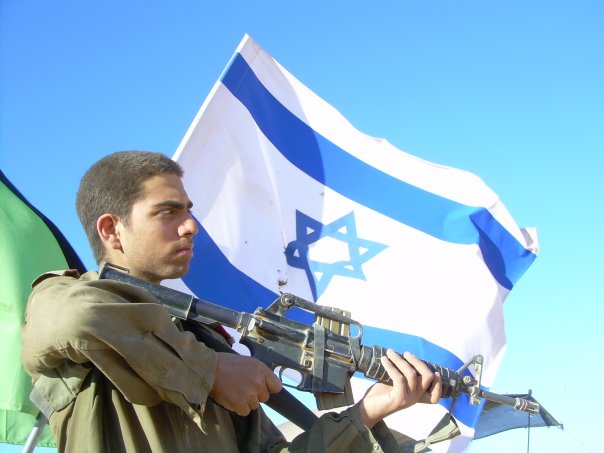

 Posts
Posts


